Just how valuable is commonage in Ireland?
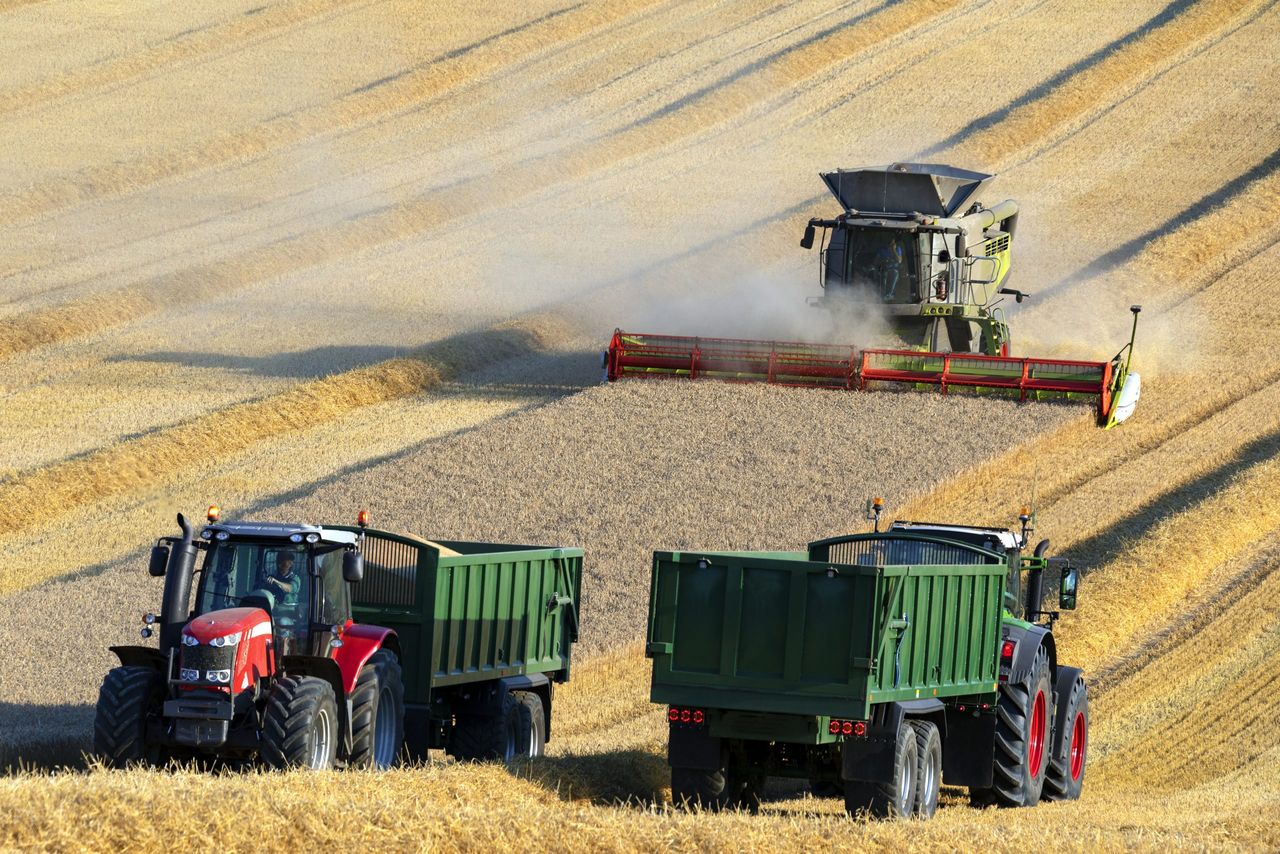
I said I didn't think that the National Ploughing Championship would be held there next year.
“Well there is plenty of space there anyhow," commented the friendly lady from the Department of Agriculture, Food and the Marine (DAFM).
She was from a midlands county and she could not be expected to understand the complexities of the commonage, much less the nature of the terrain.
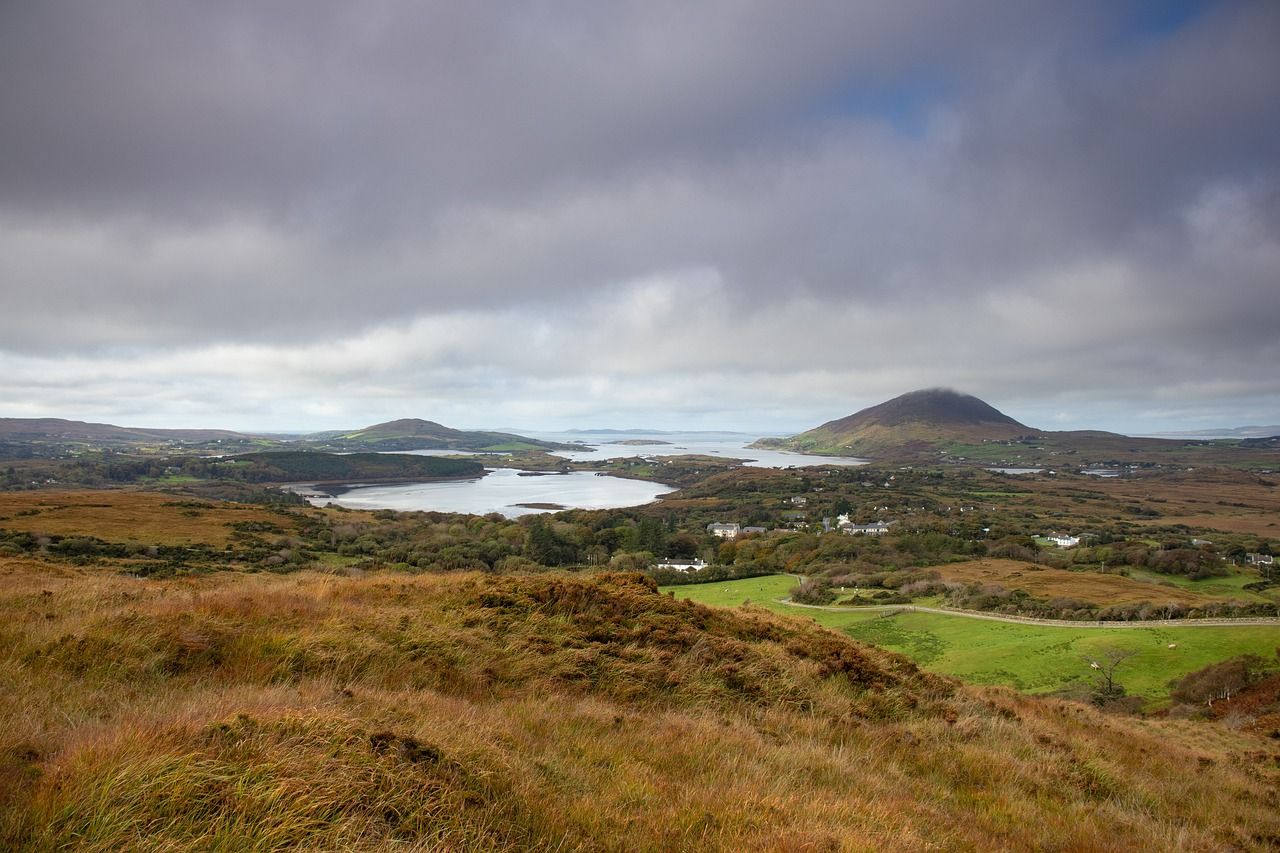
I had explained that I had a share in 2,800ac of mountain commonage in Connemara in west Galway and that my rights extended all across that swathe of territory.
She was impressed. I did not feel one bit like a common man. All I now needed was the broad-rimed hat of a Texas rancher.
Commonage
There are almost one million acres of commonage in the Republic of Ireland; much of it is concentrated in western counties.
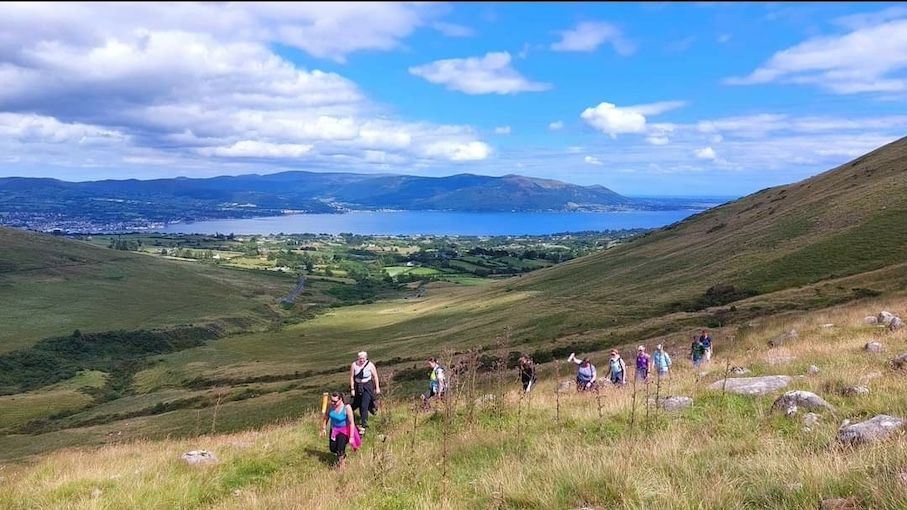
Connemara has mountains of commonage, which is regarded in Europe as a rare and special pearl of heritage and environmental wealth.
The mandarins of Brussels have designated just about every centimetre of our commonage as Special Areas of Conservation (SACs).
While the areas are special in their own right, the designations can be – and have been – a deterrent to those who want to build a home in their own locality.
Added to that, the designations have been a factor in decisions regarding developments that could have given jobs to those who would have decided to stay – if they could have gotten a home.
As far back as 1833, William Forster Lloyd propagated a theory that was eventually baptised as 'The Tragedy of the Commons'.
A man named Garret Hardin gave it that tagline in the 1960s. It was stated that something held in common could not work, nor survive, in the long-term.
The most resourceful people would bend the advantages towards themselves and the less far-seeing people would lose out, or be squeezed out.
It is worth noting that the 'Tragedy of the Commons' did not directly relate to land alone. The same dangers were foreseen in any shared endeavour.
In many ways it can be stated that William Forster Lloyd got it wrong and the story of the commonage land of Ireland renders his theory somewhat fallow.
Some people continue to believe that commonage is public land; it is not.
It is owned jointly by a number of shareholders and it has taken on new significance in recent years.
In some ways, the environmental designations have helped in establishing the financial status of the commonage.
In both Basic Income Support for Sustainability (BISS) and environmental payments, it can level out somewhere around €170/ha.
Financial value of commonage
Commonage has shot up in financial value. Where commonage shares were once sold at between €400/ac and €700/ac, they are now making anything from €700/ac to €1,000/ac.
And what brings farmers and landowners from the rich pastures of the midlands, or the Golden Vale, to a landscape like Connemara?
Well, money, or a resource that is worth money.
The mountain commonage, either owned or leased, adds to the yearly subventions and the increased area also allows for increased stocking rates and nitrates use.
There may be some concerns about the sale of commonage rights; for one thing, it decreases the range of activity that is open to the local farmer who sells.
The commonage was a traditional bedrock for subsistence farming, which was common in the west of Ireland until recent generations.
Cattle, sheep and ponies were kept on the mountains for lengthy periods of the year.
In more distant times, people even constructed shelters on the mountain commonage while they tended their cattle in one place, for a period of days.
That was called ‘buailteachas’ in the Irish language.
It's not like that now; the milk comes in packs to the local shops.
Yet the commonage is a vital resource in many communities and they need to be kept as a priority in the next EU Budget.