2026 grain yields fall by 30% in parts of UK

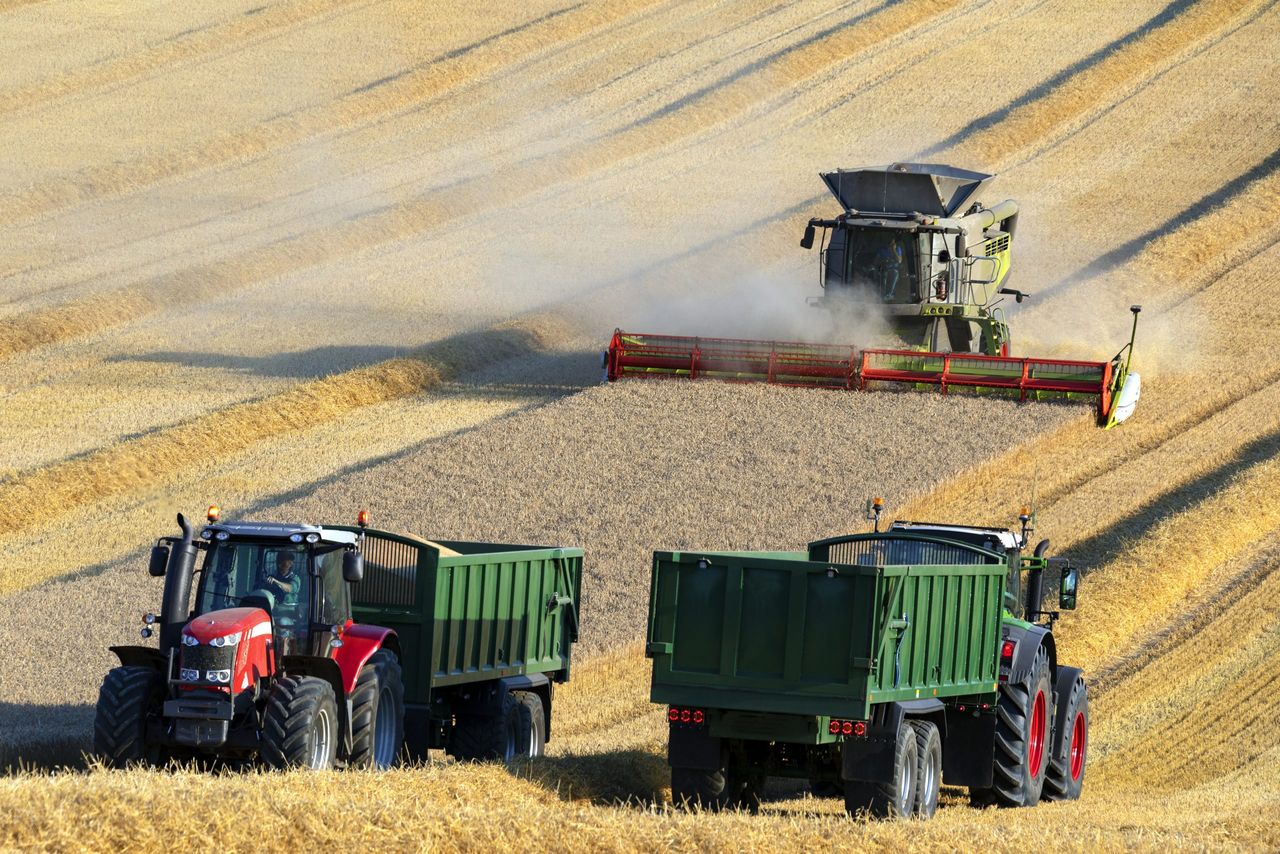
A number of cereal growers in England and Wales are reporting that 2026 grain yields are down by up to 30% on normally expected levels.
This is a direct consequence of harvest dates being a month ahead of their normal schedule.
A shorter growing season, particularly for wheat, will directly impact final crop yields.
Meanwhile the Agricultural and Horticultural Development Board (AHDB) is confirming that harvest 2026 is the earliest in 20 years.
The organisation has just published its first Harvest Update for the 2025/26 growing season.
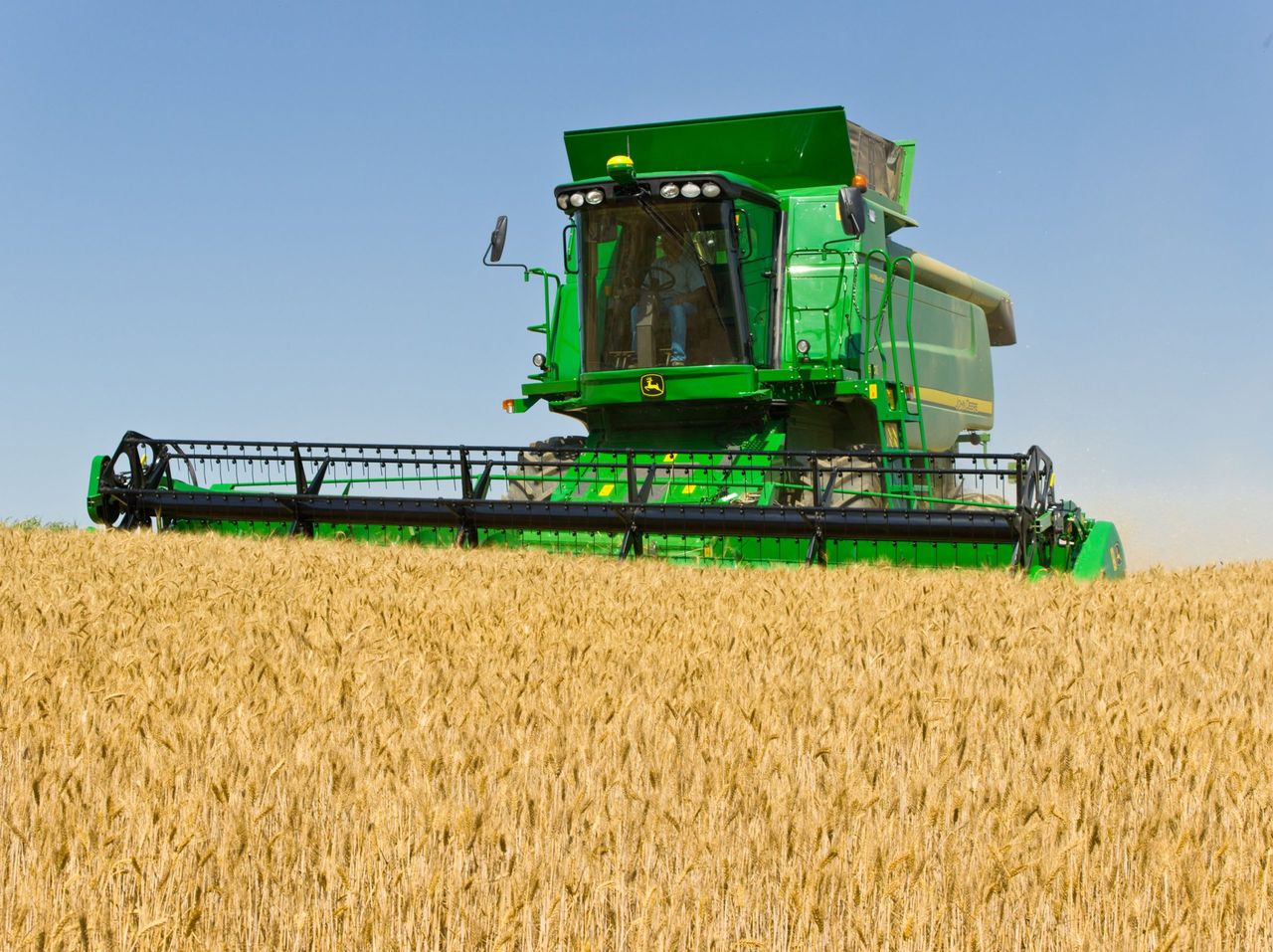
It confirms that, for the second consecutive year, combines have entered fields significantly earlier than normal, with many farmers across the south and east of England completing harvest two to three weeks ahead of the long-term average.

AHDB’s director of cereals and oilseeds, Anthony Hopkins, explained: "Across much of the UK, combines have been rolling earlier than usual this year, with many farmers working through the night to avoid the most extreme daytime temperatures.
“While it's encouraging to see oilseed rape yields improving on average, cereal yields have generally been below the 10-year average so far, with some farms experiencing significant reductions.
“Following successive years of difficult weather and rising costs, the financial pressures are becoming increasingly acute for those businesses hardest hit."
It is now evident that differences in rainfall and soil moisture retention have had a major influence on crop performance.
Crops grown on lighter soils have generally been more affected by prolonged dry conditions than those on heavier land.
AHDB senior analyst for cereals and oilseeds, Anthony Speight said: "Although harvest has progressed rapidly across most regions, we're seeing considerable variation in yields between farms, reflecting differences in rainfall, soil type and cropping decisions.
“At this stage, the emerging picture points to disappointing cereal yields in many areas, but we'll gain a clearer understanding as harvest continues
Winter barley
The winter barley harvest is now largely complete across the UK.
By the week ending July 26, an estimated 95% of the crop had been harvested, with the majority of the remaining area located in Yorkshire, Scotland and Northern Ireland.
Harvest progress was particularly rapid this season, aided by favourable harvesting conditions.
By the week ending July 12, 46% of the crop had already been cut, with growers making swift progress across much of England.
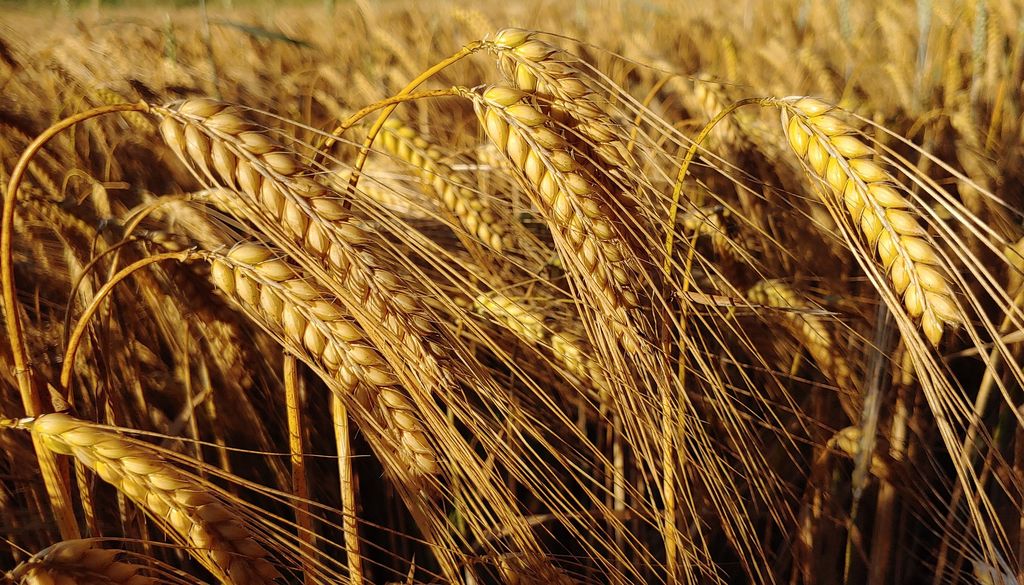
Yields have been highly variable this season. Based on the survey sample, the average figure is 6.8t/ha, down 2% compared to the UK five-year average.
There has been a wide range in farm performance, with reported winter barley yields ranging from 3.4-11.0t/ha.
This variation highlights the differing growing conditions experienced across regions and farm types during the season.
Specific weights are reported to be between 63-66kg/hl. Screening levels have been variable with figures of between 80-95% retained by a 2.25mm sieve.
Grain nitrogen levels (for malting varieties) have also been variable: ranging from 1.7% to 2.0%.
Moisture content has averaged 13.3% from farmer data, with a range of 10.4% to 16.6%. The higher moisture level was from an earlier cut crop in Scotland.
Winter oilseed rape
The oilseed rape harvest was estimated to be 73% complete by July 26.
Harvest progress has been most advanced in southern England, where the crop is largely cut, although some small areas remain to be harvested.
Further north, progress has been slower, particularly in Scotland, where only 8% of the crop had been harvested by July 26.
This reflects the later harvest window and differences in crop maturity across the UK.
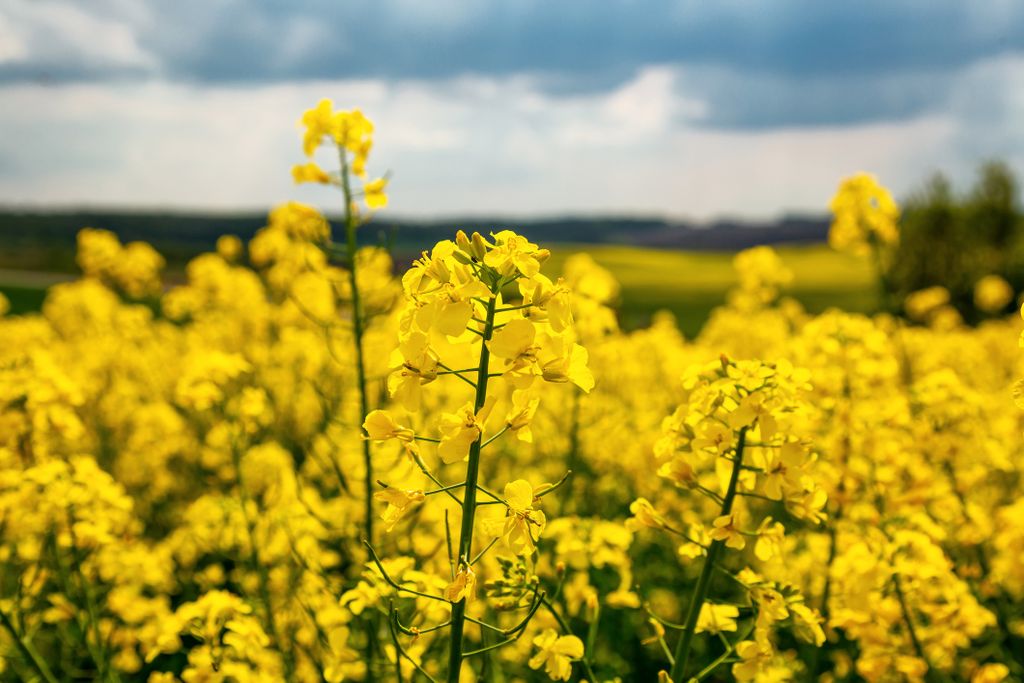
The average rape yield from the survey sample is 3.9 t/ha, up 17% compared to the UK five-year average.
As with other crops this season, yields have been highly variable. Regional reported yields ranged from 2.4-4.9 t/ha.
In many cases, the highest relative yields were reported by farms that had experienced significant pest pressure in previous seasons, resulting in a lower historical baseline against which this year's performance is measured.
Overall, the results highlight the wide variation in crop performance across the sample, reflecting differences in establishment, growing conditions, and local pressures during the season.
Oil content has generally been reasonable ranging from 42-45% for the typical sample.
While there was understandable concern about the moisture level of oilseed rape crops, this has been managed well this harvest.
The average moisture is reported as 7.3%, with a range of 6.0% to 9.0%.
Oats
The oat harvest was 32% complete by July 26.
Harvest progress has varied considerably across the UK, reflecting differences in crop maturity and local weather conditions.

In some regions, growers have made good progress during recent dry periods, while elsewhere, harvesting remains at a much earlier stage.
As more of the crop is harvested over the coming weeks, a clearer picture of oat yield and quality will emerge.
At this stage, regional differences in harvest progress remain more pronounced than for some of the earlier-harvested crops.
Wheat
The winter wheat harvest was 54% complete by July 26. Progress has been most advanced in the South West, where 96% of the crop had been harvested, according to the survey sample.
Harvest conditions have generally been favourable, allowing growers to make rapid progress where crops have reached maturity.
Across southern England, many farms expect to complete wheat harvesting within the coming week, provided the settled weather continues.
Yields have been down so far this season. Based on the survey sample, the average figure is 6.8t/ha, down 13% compared to the UK five-year average.
It should be noted that this benchmark is already relatively low, having been influenced by the below-average harvests recorded in 2024 and 2025.
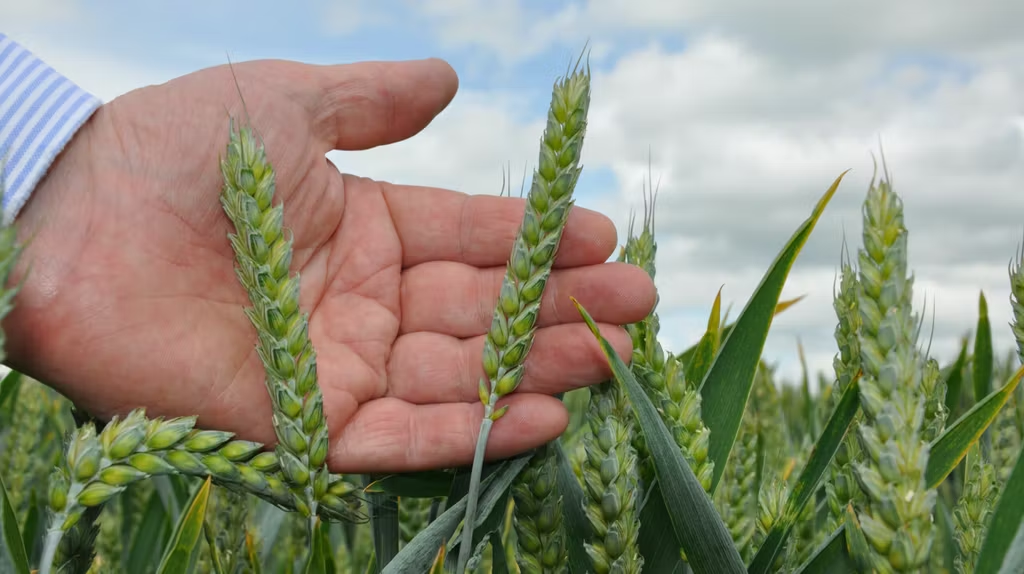
Yield performance has also been highly variable between farms. Reported yields range from 3.9t/ha to 11.5t/ha.
However, only 10% of farms surveyed have reported yields above their five-year average, underlining the widespread impact of the dry conditions experienced during the growing season.
While a small number of farms have achieved near-average or above-average results, the majority have reported yields below their historical performance, reflecting the challenges posed by limited rainfall from spring onwards.
Specific weights have been exceptional so far this year. For group 1 milling wheat samples, specific weights have ranged from 76kg/hl to 85kg/hl. Most samples discussed at the time of writing were 82kg/hl plus.
Protein content is also high, with averages above 14% not uncommon in samples. An average of 13.5% is given although this is variable.
Moisture content has ranged from 10.8% to 14.9%, averaging 12.5%.
Spring barley
The spring barley harvest is now underway across the UK and was estimated to be 8% complete by July 26, 2026.
Harvest progress remains at an early stage, with activity concentrated in the earliest-maturing crops and regions.
As more of the crop is cut over the coming weeks, a clearer picture of both yield and quality will emerge.
Early indications suggest that harvest timing is generally in line with expectations, although progress varies considerably between regions depending on crop maturity and local weather conditions.
The spring barley harvest is still at an early stage, and yield reports received so far have been highly variable. The average yield reported by the survey sample is currently 5.3 t/ha.
AHDB will publish three further harvest 2026 updates over the coming weeks.