What will labour-saving equipment for feeding silage cost?

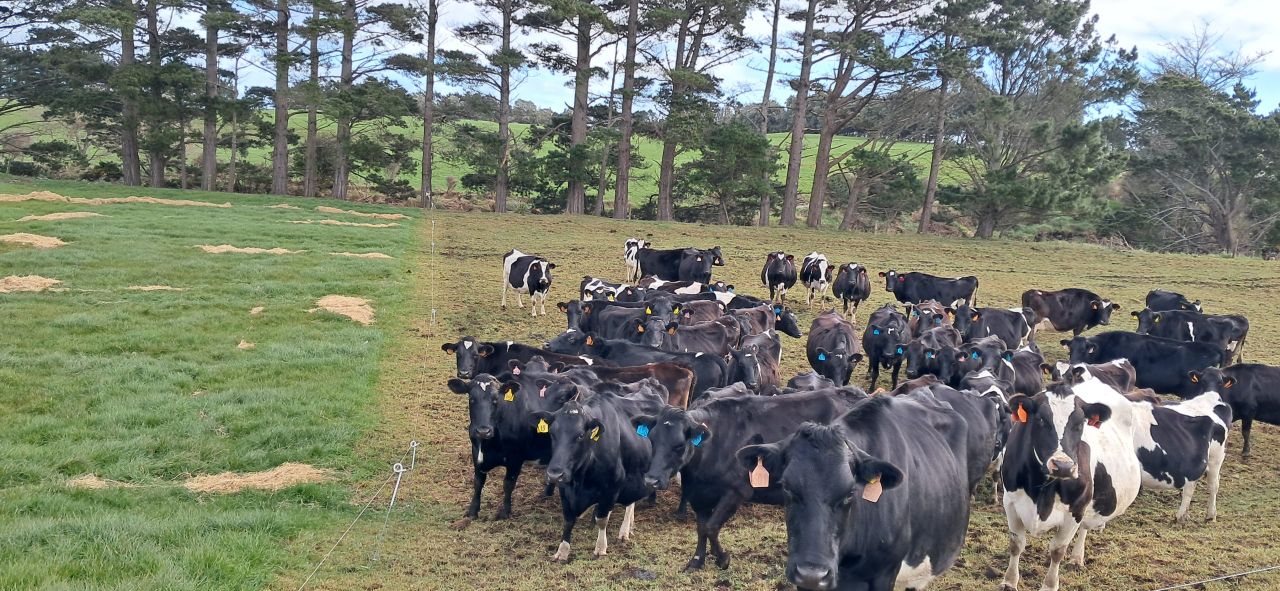
With drought hammering the south-east and more northern and western areas becoming increasingly dry, farmers are feeding silage up and down the county.
Agriland spoke with several co-ops around the country in drought stricken areas.
Round feeders are reported as very rare on the floor with waits of over a week in some co-ops.
Co-ops who got deliveries in the last week have some left but if August is dry, there will be renewed pressure on these remaining feeders.
The demand for feeders will also depend on the preparedness of farmers in the area for drought conditions.
Farmers in drought-prone areas will be less likely to require feeders than those seeing this level of grass growth restriction for the first time possibly since 2018.
Costs
Agriland compiled the following costs from online stores, machinery dealerships, and individual sellers.
The costs a farmer faces will vary depending on the farmers location, relationship with seller, VAT status, and transport cost as well as local demand.
Silage pushers are going from €250-€600 depending on the design, standard and whether they are three point couplings or for use with spikes.
Tirlán is quoting €575 for a single tyre pushed used in conjunction with bale or grab spikes.
A Condon 16ft silage feeder trailer will set a farmer back €4,462.00. The feed trailer can feed 12 cattle either side with five front stalls and four at the back. The trailer can easily fit three 4X4 bales.
Individual sellers are quoting from €2,500 and upwards for 16ft feeding trailers. The price fluctuates significantly depending on the make, dealer, and transport costs.
Tirlán are looking for €299 for a 20-space galvanized round feeder while a Gibney feeder will cost a farmer €335.
Dairygold are looking for a €275 for a standard 20-space galvanised feeder.
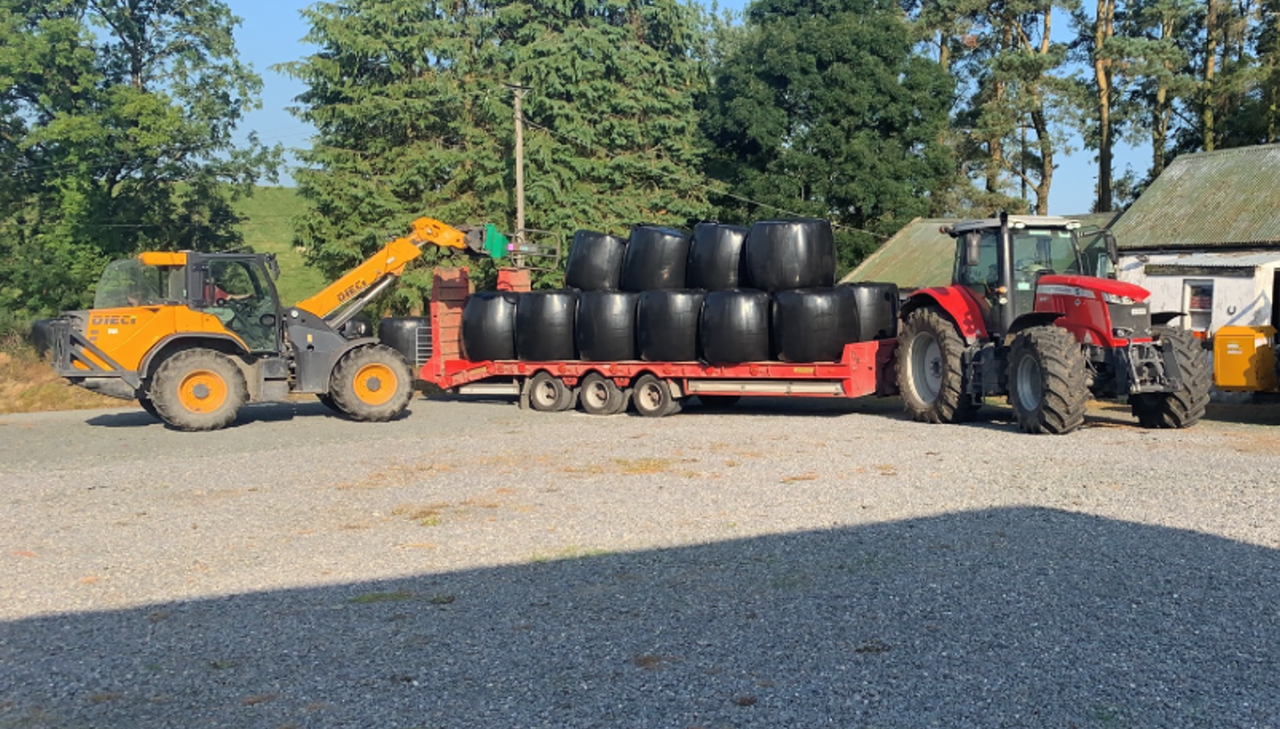
Bale feeders such as Hustler are going from €5,400 to upwards of €6,500 depending on the make, model, and whether it is new or second hand.
Many farmers are considering sacrifice paddocks as an option for feeding silage outside, especially in fields near parlours that are due for reseeding this year.
However, Tirlán has advised that sacrifice paddocks have the potential to create cell count problems for cows both now and down the line.
For some farmers, moving cattle indoors for feeding may create additional labour, scrapping and liming that is not sustainable, hence the option to use sacrifice paddocks can be tempting.