Farmers advised on how best to approach drought feeding

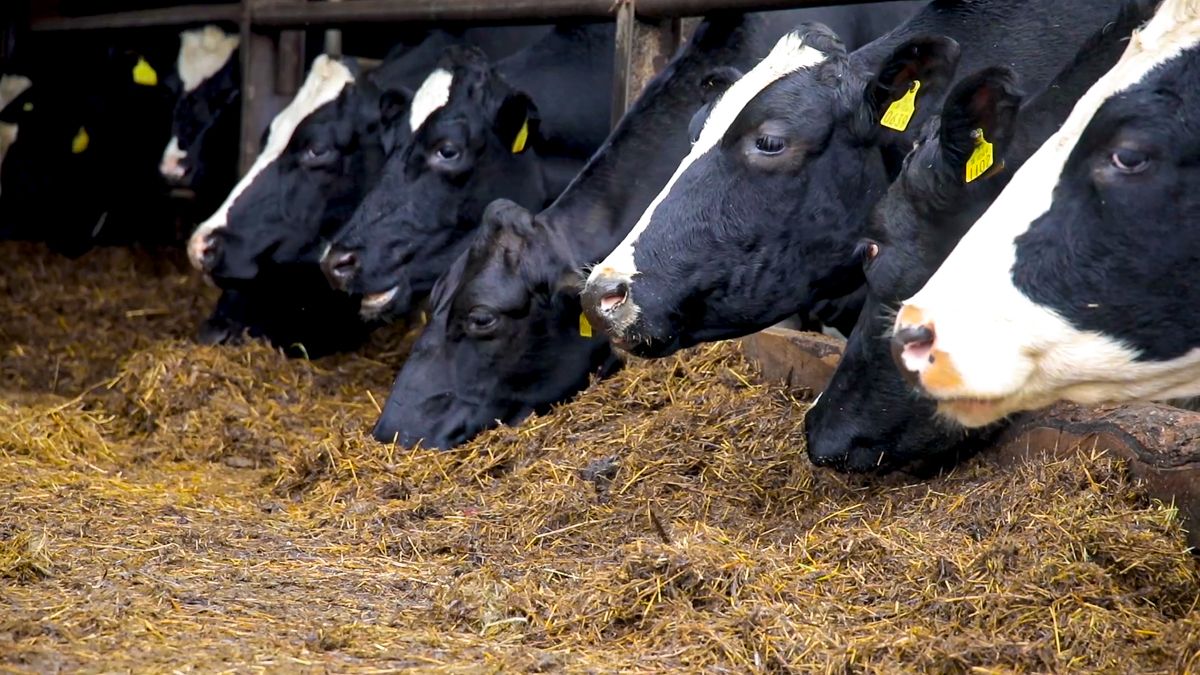
With many farmers now feeding cows supplementary fodders in the diet to make up for grass shortfalls, Tirlán has advised farmers on the best approach to feeding.
Where soil moisture deficits go beyond 50mm, growth becomes restricted, before stalling completely when deficits reach 70mm.
Deficits of over 80mm have been reported around the country.
Tirlán hosted an online webinar on managing feeding and animal welfare in the drought on July 23, where senior technical specialist Bryan Harte advised farmers on the importance of getting feeding right as 40% of milk solids have yet to be produced.
He recommended that farmers extend the rotation to between 25-30 days.
This means on a 60ha platform a farmer is grazing no more than 2.4ha/day (60ha÷25=) and no less than 2ha/day.(60ha÷30=)
Farmers are advised to continue to graze as not grazing will result in waste where grass is "melting or withering" away in the field, and will delay re-growths once the rain returns.
Harte advised farmers that even where covers were low, to graze regardless, as cows will benefit and reduce workload for the farmer of housing cows.
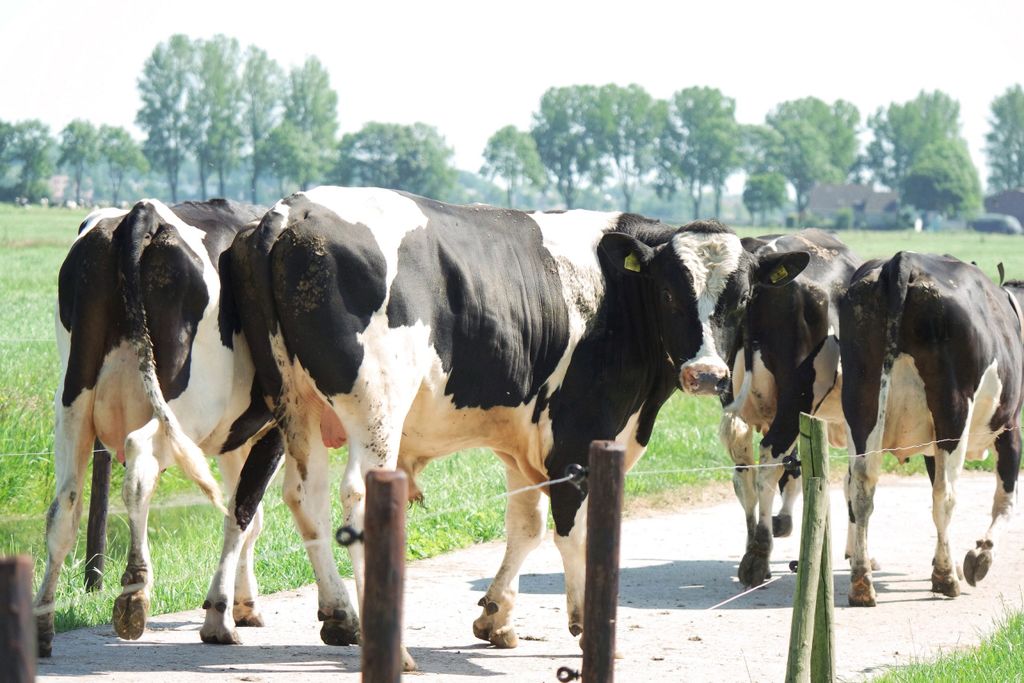
On the option of sacrificing paddocks, Harte advised against it, as "where a farmer puts in five or six round-feeders, we see persistent cell count issues down the line".
He also added that some farmers were looking at getting the lowest producing cows off the milking platform to reduce stocking rate and demand.
The most common approach has been to feed 6kg grass, 7kg silage and 6kg concentrates.
Where grass growth has stalled completely and farmers have good quality silage (75% DMD), they are moving to 3kg grass and 10kg silage with 6kg meal.
Some farmers are opting to feed during the day, often with soya hulls, usually 3kg (in a diet of 3kg grass, 7kg silage, and 6kg concentrates), due to their palatability and performance benefits as a high energy feed.
Harte noted that this approach may not be suitable on every farm.
A bale of straw or other roughage is also advisable as a source of fibre, as cows on high concentrate diets may experience looser dungs.
Diet
Harte advised that farmers aim for a 50/50 approach between fresh feeds (silage, grass, palm kernel expeller (PKE)) and concentrates (meal and soya hulls) to avoid unnecessary dietary disruption.
He added that farmers should avoid feeding concentrates above 10kg/cow/day.
Where farmers are seeing protein drop in milk, Harte advised that feeding higher crude protein feeds will not have a significant impact.
Instead, sudden drops in protein are more likely the result of the cow not receiving sufficient energy from her diet.
"There's more protein in a 14% nut at 6kg than a 16% nut feed at 4kg," Harte said.
Preparing for rain
While rain may appear distant on many forecasts, farmers are advised to be ready.
That means having fertiliser in the yard, as a rush on supplies when it rains may delay applications for some farmers.
Harte advised farmers to maintain feeding for 10 days after grass growth kick-starts, as the grass has to be allowed recover, stating
"It's important farmers don't take the handbrake off; grass has to be allowed to recover first."
This will avoid shortages and allow bulking up for the autumn grazing budget as growth slows naturally.
Harte also added that lush green grass can be unpalatable, and have low fibre, resulting in looser dungs which farmers should monitor.
Fertiliser
On spreading fertiliser, farmers can avoid immediate applications as mineralisation even during the drought will be releasing 1 unit of nitrogen (N) every two days, resulting in a build-up as none will have been lost to leaching.
Teagasc data calculates the average nitrogen requirement for grass at 2 units N/acre/day.
Over a 25-day drought, the soil will have a build-up of approximately 14.5 units of nitrogen.
This means that the nitrogen need for the first seven days post-growth restarting can be supplied from the soil. Applying CAN and even protected urea early will result in negative financial and environmental effects.
Immediate applications of nitrogen will saturate the soil, and a significant quantity will be prone to leaching, resulting in financial waste, water quality damage, and potentially high nitrogen grass that can potentially cause ruminant toxicity and excess blood urea nitrogen.
Farmers must also prepare feed budgets to address the potential shortage in winter feed due to feeding at the minute.
Harte added that farmers should be considering third cuts where necessary.