Is your ram ready for the breeding season?

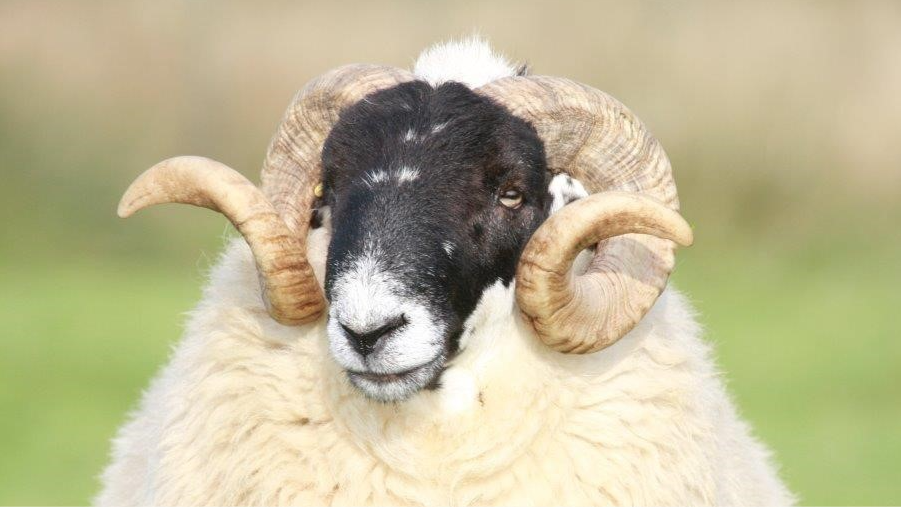
As the breeding season approaches, farmers will be turning their attention to ensuring rams are fit, fertile and capable of working effectively.
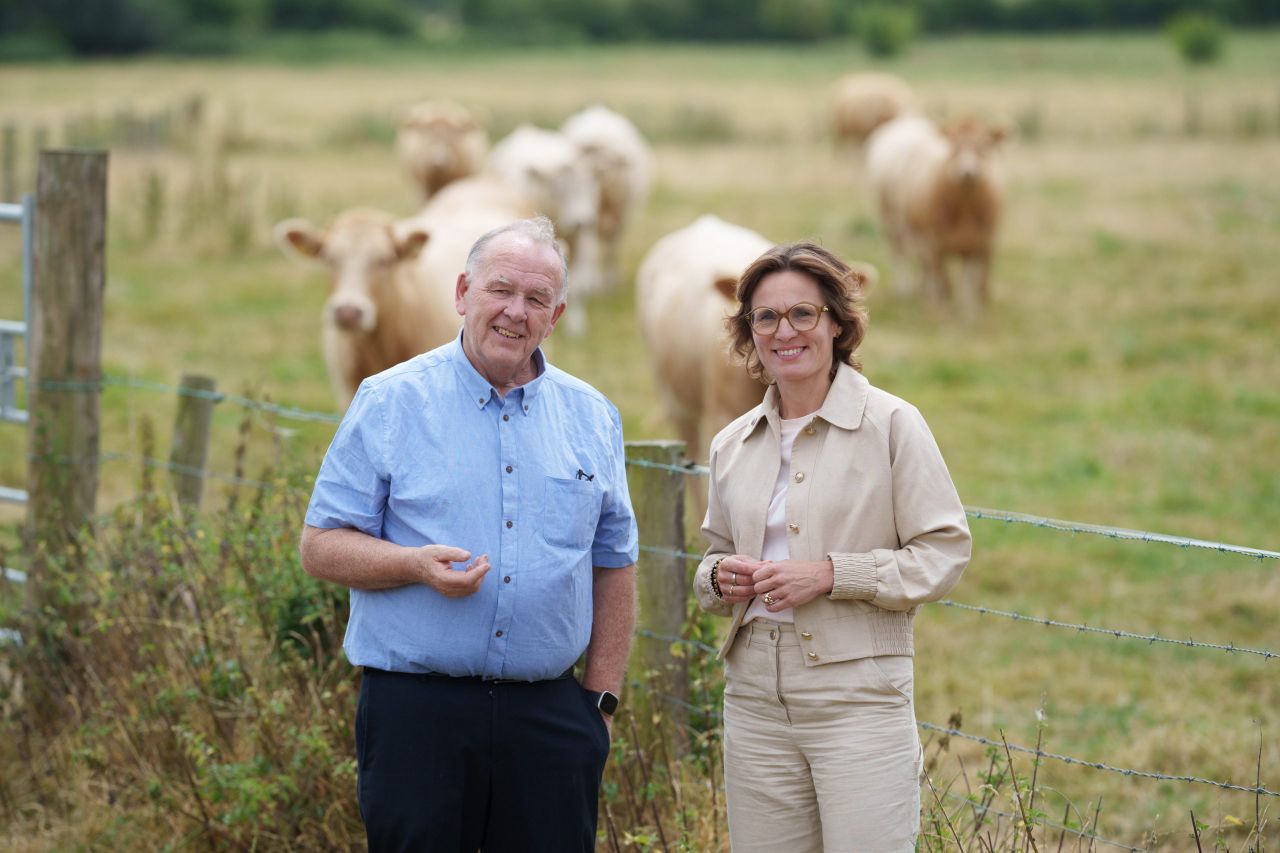
College of Agriculture, Food and Rural Enterprise (CAFRE) beef and sheep adviser, Brian Hanthorn outlined why farmers should carry out a ram MOT 10-12 weeks before breeding.
The ram MOT is a thorough exam that can detect up to 90% of problems.
Rams may appear healthy in fields, but underlying, potentially sub-clinical issues may affect their performance during mating.
Early detection prevents disruption to the tupping (breeding) season.
It allows farmers the chance to take corrective action, or ample time to source replacement stock of a similar standard.
Teeth and mouth
As grass constitutes the main fodder source for rams, an inability to effectively graze will result in energy deficits and the ram losing body condition score.
The ram's incisor teeth should meet the dental pad correctly.
Rams regurgitating their cud may indicate problems with molar teeth or arthritis within the jaw.
In severe cases, these rams should be considered for culling, as the rams' condition will worsen as the workload increases.
Feet and legs
Lameness is a regular indicator of poor ram performance.
Lame rams will spend less time serving ewes, and the severity of the lameness will typically increase as the ram workload increases.
All four feet should be thoroughly examined, with trimming and treatment where necessary.

Rams with persistent lameness or severe infections should be considered for culling.
Where lameness is persistent, it may be genetic, resulting in offspring potentially inheriting poor feet quality.
Older rams are the most likely candidates for treatment. Joint swelling and arthritis should also be checked for
Brisket sores are commonly seen in lame rams and should be treated once the underlying mobility issue has been addressed.
Body condition score
BCS is a key indicator of ram health. Farmers should target a BCS of 3.5-4. Thin rams often have reduced libido, resulting in lowered mating activity.
In addition, research has shown that excessive fat deposition around the scrotum can increase testicular temperature, reducing sperm production and overall fertility.
Rams sold are often presented in "great" condition but may have excessive fat, so measuring BCS at purchase and implementing a feed plan early will ensure the ram is in optimum condition prior to breeding.
A hardworking ram can lose up to 15% of its bodyweight during the mating period.
In the field, this means an 110kg ram could weigh 93.5kg by the end of breeding.
Testicular health and fertility
Rams should have two evenly sized, firm testicles that are free from lumps, swelling or other abnormalities.
Scrotal circumference is also an important indicator of fertility.
For many mature lowland breeds, a circumference of 36cm or greater is desirable.
Rams with smaller testicles can often produce disappointing breeding results.
The prepuce and penis should also be examined for signs of injury, infection or ulceration. If any abnormalities are detected, veterinary advice should be sought.
Farmers can use a pre-breeding semen test that will provide additional reassurance.
Semen evaluation by a veterinary surgeon is an effective way of identifying sub-fertile or infertile rams before they are turned out with ewes.
Health treatments
Farmers should carry out any vaccinations and treatments as far out from the breeding season as possible to maximise recovery period.
Rams should be shorn in ample time, with excess wool around the scrotum removed, to maintain testicular temperature.
Parasite levels should also be monitored with rams protected from flystrike and parasites throughout the mating season.
Mineral and vitamin deficiencies should not be overlooked. Soil deficiencies can result in grass not containing sufficient nutrition, meaning supplementation is required.
Fertility is particularly effected by selenium, zinc, iodine and vitamin E. Blood tests can identify underlying sub-clinical deficiencies.
Hanthorn added:“Good quality rams represent a significant investment on sheep farms.
"Carrying out a thorough inspection before the breeding season helps ensure rams can perform to their full potential when it matters most.
"Identifying issues early can help maximise the value of your investment and contribute to improved flock fertility and lamb output.”