Agricultural regions face wildfires in three European countries

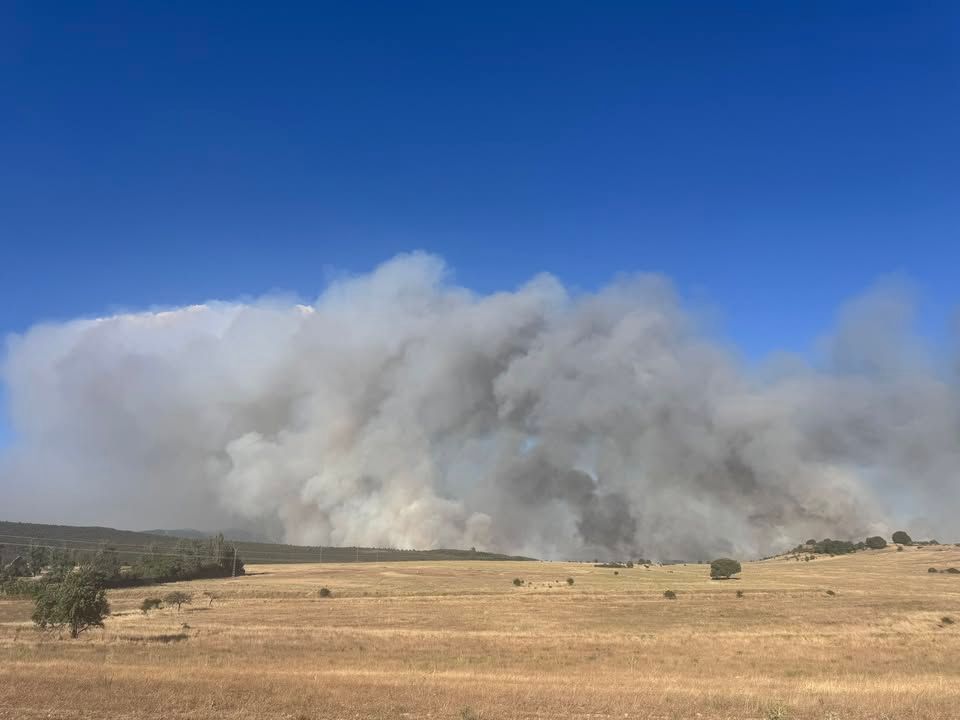
Rural communities in Spain, Italy and France are currently battling wildfires, which have claimed the lives of three firefighters.
So far this year, 254,388ha have been lost to fire in Europe, according to the European Forest Fires Information System (EFFIS) of the Copernicus Emergency Management Service.
Italy
In Italy, hundreds of fires have been reported in Sicily.
The region is agricultural, with fruit, olive and tillage farms under threat.
Regional President Renato Schifani issued a statement yesterday (July 22), stating: “Since midnight today, 344 requests for assistance have been received.
"5,000 forestry corps personnel have been deployed throughout the day, 130 firefighter teams with 650 personnel, and 150 civil protection teams with 450 personnel in total.
"Six Canadair helicopters, 10 regional helicopters, and three national helicopters were deployed throughout the day.”
The regional president added that most of the fires have now been extinguished.
He said: “Of the 344 fires reported throughout Sicily, 300 have been extinguished.
"To Sicilians, I say that the region is taking action with all its forces available and with maximum commitment, aimed at protecting people, homes, and our forestry heritage.”
One firefighter was killed fighting the blazes: Earlier today, Schifani expressed “deepest condolences”.
Despite most fires being extinguished, local authorities on social media today announced a status of “red alert” regarding “the risk of fires and heatwaves”, valid from midnight this morning until tomorrow afternoon (July 24).
France
In south-western France, wildfires are impacting Gironde, which has numerous open, educational and working farms, as well as vineyards.
The UK’s foreign office released a statement warning tourists of the hazards: “Wildfires are affecting parts of Gironde, including areas around Le Porge and Lège-Cap-Ferret.
“French authorities have evacuated some campsites and tourist accommodation. Access to affected areas may be restricted. Roads may be closed at short notice.”
Two firefighters have died in the area. Their deaths yesterday (Wednesday, July 22) were announced by France’s Interior Minister Laurent Nunez at the National Assembly.
The minister said that he would travel to the area “as soon as possible” to oversee the firefighting efforts.
Also yesterday, France’s public health department described increased mortality as a consequence of the heatwave experienced in the country from June 17 to July 2, “which exposed nearly the entire population to extreme heat during a period when school and work activities were still in full swing”.
It said: “An estimated 5,764 excess deaths from all causes (+36%) were recorded during the periods and in the departments affected by record-breaking temperatures.
“Wednesday, June 24, and Thursday, June 25, were the hottest days ever recorded in France, with average 24-hour temperatures reaching 30°C for the first time, according to Météo France.”
Spain
Sierra de Tamajón in central Spain is also currently combatting a wildfire.
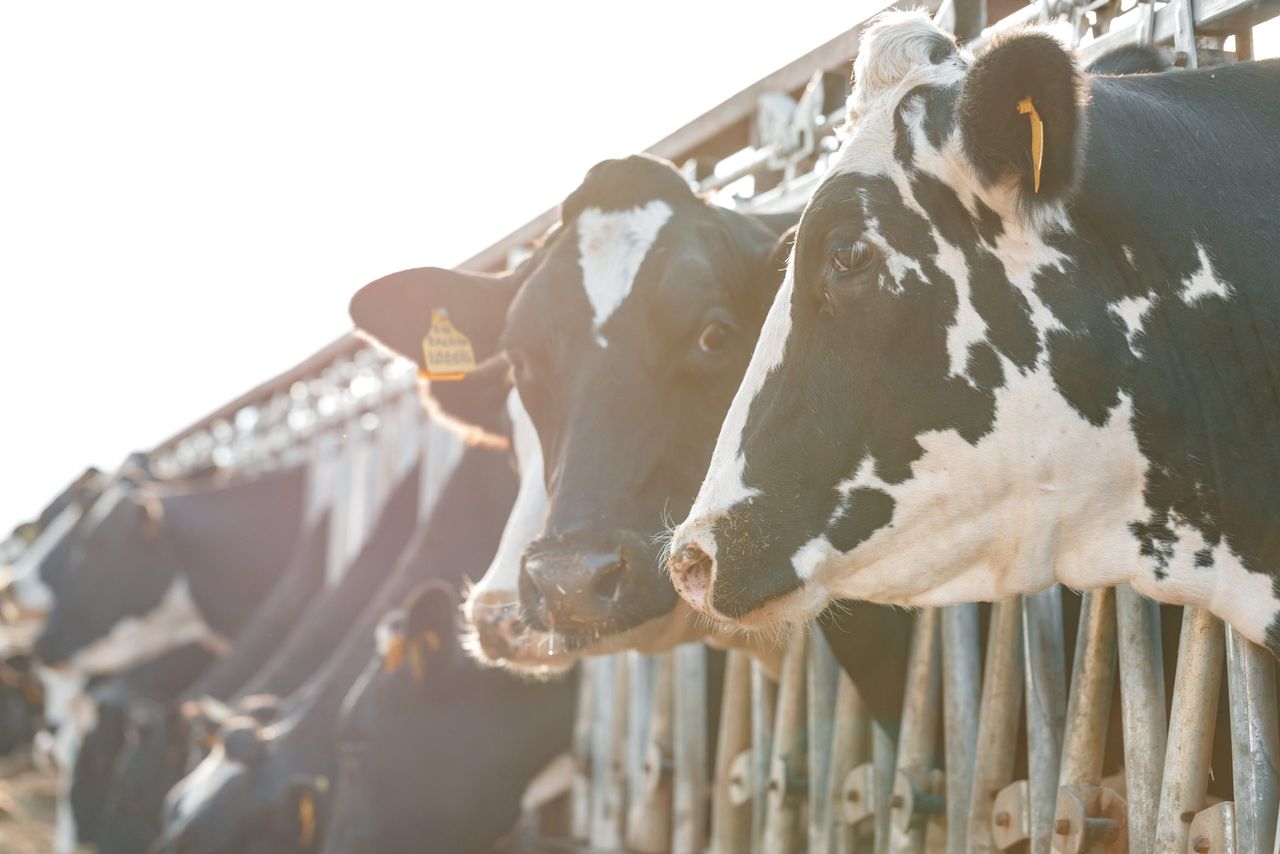
The local terrain is heavily shaped by cattle farming and, to a lesser extent, sheep and goat rearing.
Spain’s president, Pedro Sánchez Pérez-Castejón, held a press conference from the affected region yesterday.
He said: “So far this year, 22 major fires have burned more than 100,000ha.
“The Spanish government will continue to mobilise all resources for the extinguishing of fires and for the recovery of the affected areas.
“I make again a call to the political forces to focus on a common enemy: the climate emergency. It is imperative to reach a state pact.”
Earlier that same day, he was unequivocal in a statement that connected Spain’s fires this year to climate change.
The Spanish president said: “Fires have already ravaged more than 100,000ha this year. The climate emergency does not tolerate denialism or delays.
“Today we announce a new line of €300 million to boost the innovation of our [small and medium-sized enterprises] in the fight against climate change, to produce in a cleaner and more efficient way, adapt our productive fabric to the new climate reality, and develop technologies to combat extreme phenomena.”