Calls for more flexible slurry spreading periods in Northern Ireland

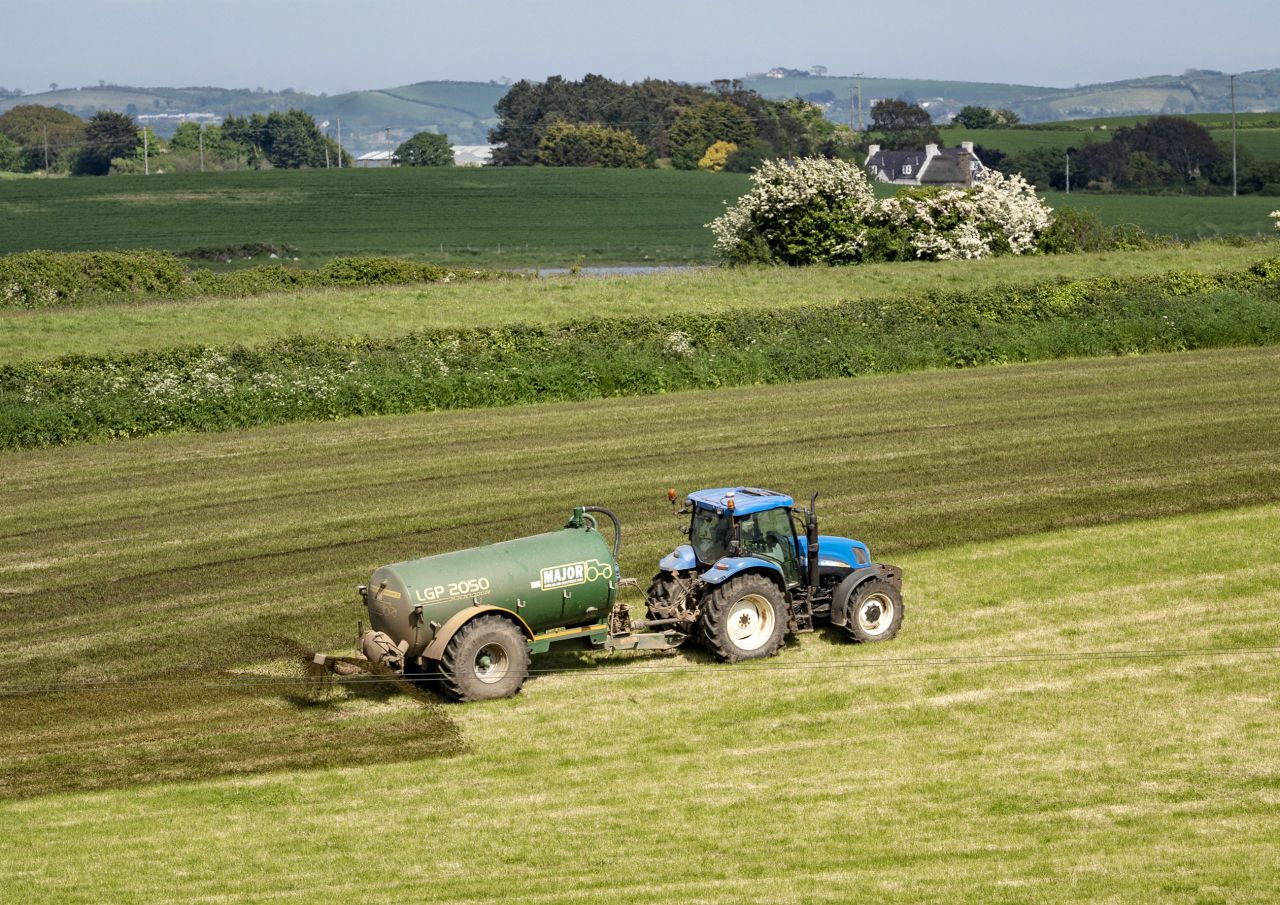
Farmers for Action (FFA) is calling the introduction of more flexible slurry spreading periods in Northern Ireland.
“Rigid closed periods just don’t work,” stressed the organisation’s spokesperson, William Taylor.
“Invariably there will always be periods during the winter months when ground conditions will be totally suitable for the spreading of slurry.
“We want this reality formally recognised within the new Nutrient Action Programme measures.”
Taylor also confirmed that FFA has been invited to attend a meeting of the Nutrient Action Programme (NAP) stakeholder forum.
The event will be hosted by the Agri-Food and Biosciences’ Institute (AFBI) at its research farm near Hillsborough in Co. Down on Monday, July 27.
Taylor said: “FFA members are currently assessing the impact of the proposals contained within the new NAP plan that was out for public consultation a few weeks ago.
“It will take some time to complete this process. And only then will we submit our own views on NAP by way of the public consultation.
“But the bottom line is this: we want to see the conditions put in place that will guarantee a sustainable future for farming in Northern Ireland.”
UK agriculture
Meanwhile FFA is welcoming the appointment of Andy Burnham as the new prime minister of the UK.
According to Taylor:“We needed a change.
“Hopefully the new prime minister and his chancellor will see fit to completely reverse the inheritance tax changes introduced while Sir Keir Starmer was in Downing Street.”
FFA is also calling for a revolution to take place within UK agriculture over the next five years.
This will be centred on a 75% reduction in fossil usage.
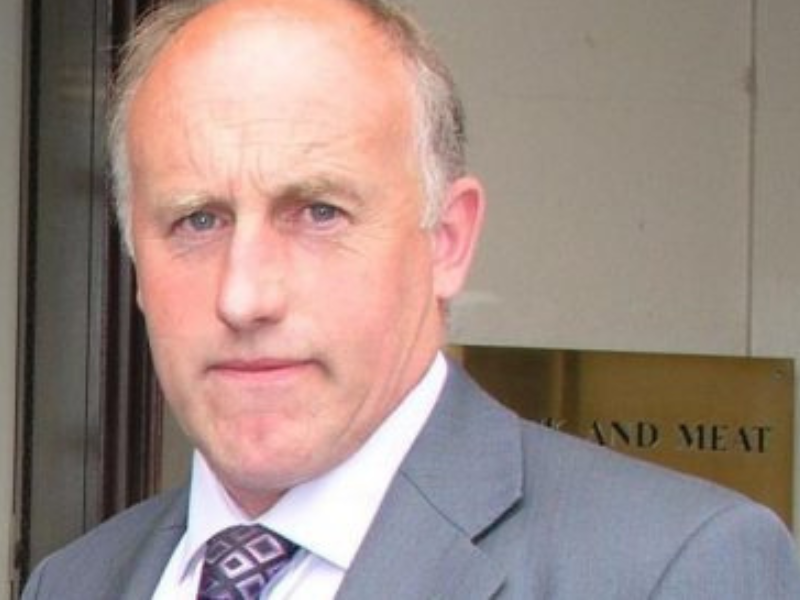
The FFA representative commented: “Biofuels can be used as the main energy source for the aviation industry."
He also called for the introduction of a UK-wide Farm Welfare Bill, which he said many politicians in Westminster "already know about".
“It is a direct copy of the Northern Ireland Farm Welfare Bill that Stormont is refusing to take forward, due to corporate and other influence going above commonsense.
“If this Bill was in place all farmers would be paid a minimum of the true cost of production inflation linked plus a margin for their produce.
"This would put farmers in a financial position to run their businesses and deliver the goods instead of so many going out of business," Taylor said.