What are feed alternatives costing farmers?

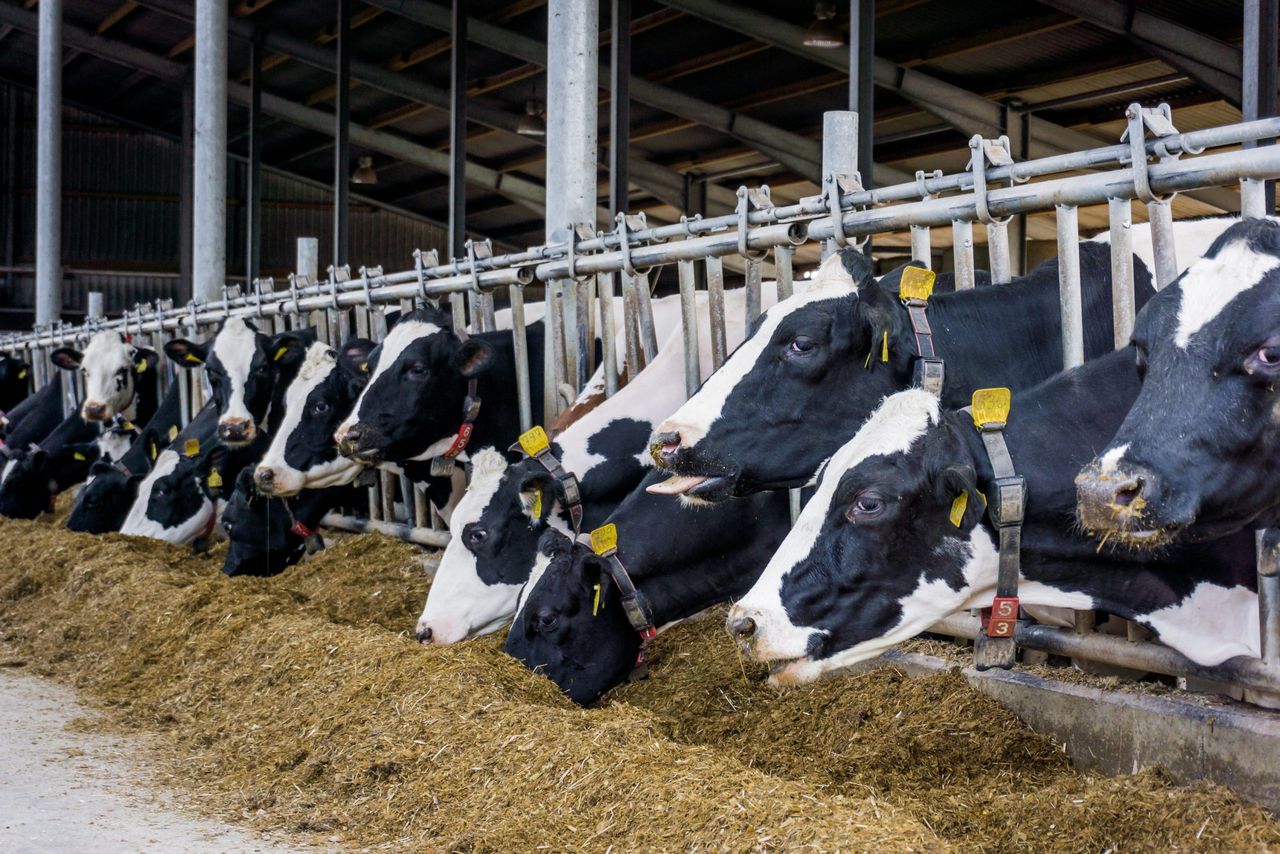
Many parts of the country are now well into drought conditions, especially in the south-east.
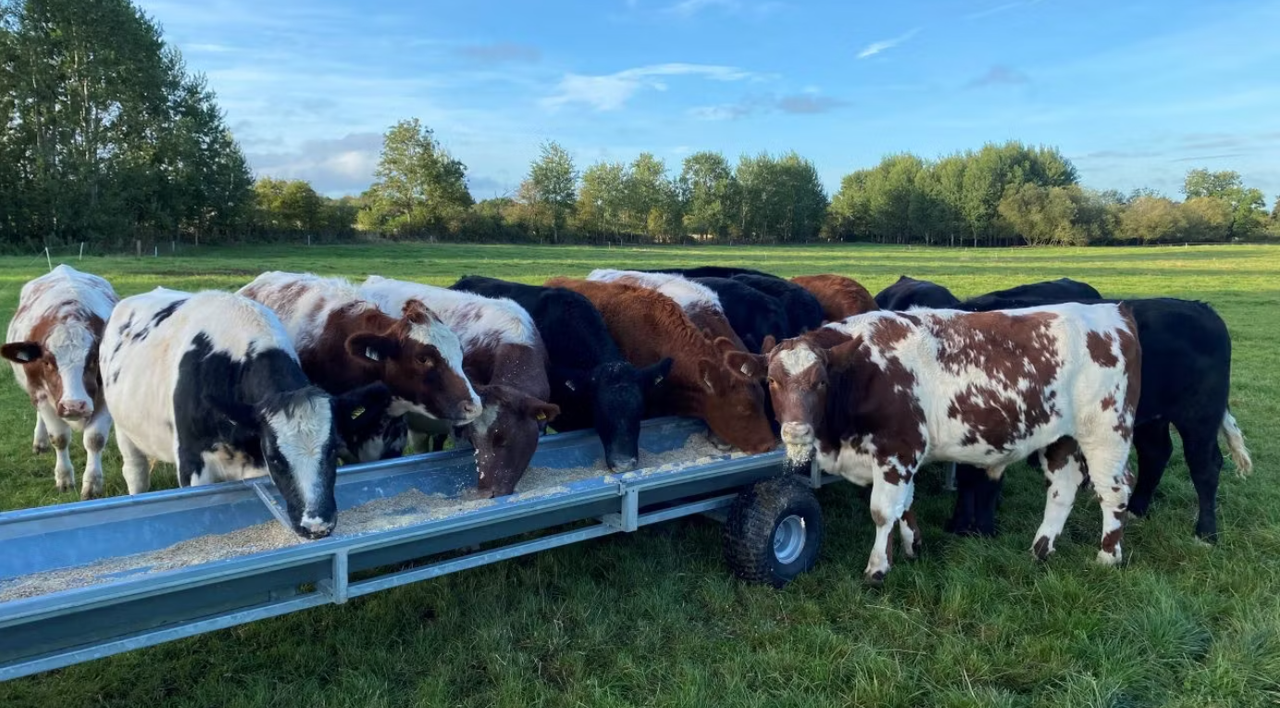
With grass growth stalled, many farmers are choosing a different approach to feeding cows.
Once grass growth falls below 45kg dry matter (DM)/ha in summer, the sward is officially suffering from moisture deficiencies due to the persistent hot temperatures and little to no rain.
The latest Teagasc data shows that soil moisture deficits (SMD) are now at 64–69mm and increasing.
During 2018, Dublin Airport recorded the highest soil moisture deficit at 94.3mm. According to Met Eireann, the highest theoretical SMD is 110mm.
PastureBase Ireland data from Sunday (July 19), shows that average growth in Munster and Leinster are 38kg DM/ha and 37kg DM/ha respectively, with many counties, including Tipperary, Waterford, Carlow, Kilkenny, and Wexford, seeing growths below 35kg DM/ha.
With this in mind, many farmers are having to supplement cow diets to maintain production and current stocking rates.
Feed alternatives
Feeding silage is the most common form of supplement, and most readily available to farmers.
Many farmers will have gotten two cuts of silage baled at this stage during the strong growth experienced during May and early June.
Silage used for milk production should have a minimum dry matter digestibility (DMD) of 72%.
However, 75% DMD is increasingly seen as the standard to minimise disruption to production.
May silage commonly reports the highest quality due to higher starch and sugar levels, as June silage typically sees DMD drop back to 68%.
For every 5% increase in silage DMD, cows will increase intake by 1kg DM/day.
Milk yield will also increases by 1.65kg/day for every 5% increase in DMD, according to Teagasc research.
Prices - PKE, soya, beet
Many farmers will be feeding high-quality bales over the drought period.
As high-quality bales are produced typically at lower rates to the acre (typically 2-4/ac compared to low quality bulk grass at 7+ bales to the acre), they will be more expensive.
This could mean a market value of €35-40, as farmers are often unwilling to sell these bales.
Teagasc research estimates dry matter at up to 30%. Using 220kg dry matter weight of a silage bale as a guide, 1t of silage is worth approximately €180/t (€40/220kg DM = 0.18 X 1,000=€180/t).
Palm Kernel Expeller (PKE) is also used by some farmers as a supplement.
One supplier quoted to Agriland for PKE at €255/t. One Kilkenny-based and one west-Cork based co-op both quoted €260/t for PKE.
Another feed supplier quoted PKE at €270/t. PKE is typically feed from 2-6kg/cow/day.
Soya hulls are often fed due to their high palatability and performance compared to PKE as a supplement feed.
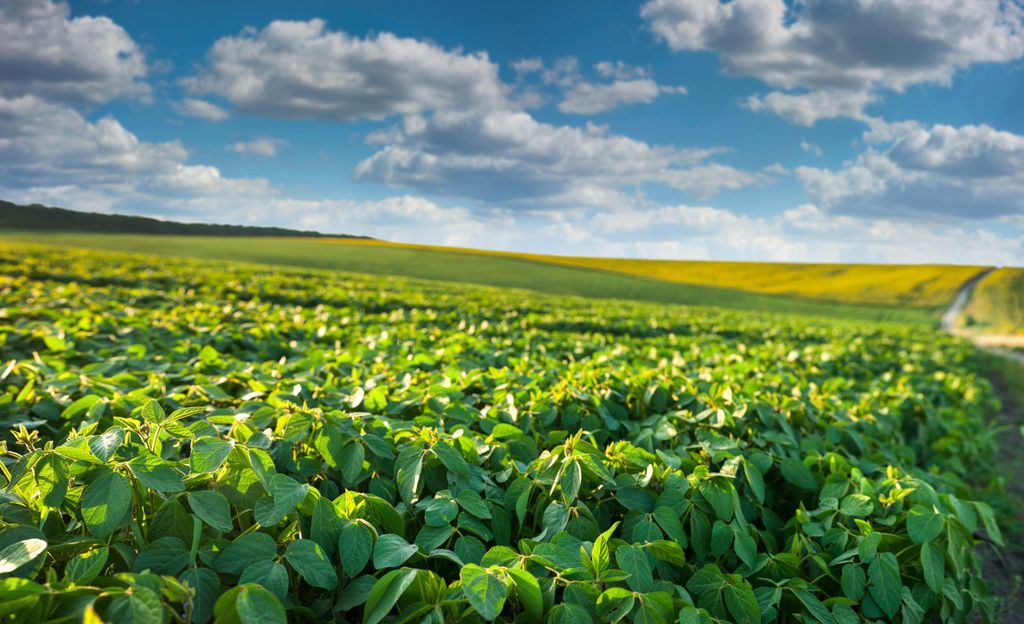
One Tipperary-based co-op quoted soya hulls at €270/t. Another Wicklow-based feed supplier quoted soya at €280/t but there was variation across regions as another south-east-based supplier quoted soya hulls at €245/t.
Beet pulp was quoted at €350/t by one store but was quoted at €310/t by one south-east-based feed supplier.
Beet pulp was found to be considerably more expensive than other supplements with the feed suppliers who spoke to Agriland.
Concentrate rates will vary significantly between farms depending on the protein percentage, mineral supplementation level and various supplier costs.
Concentrates can typically range from €320/t for standard nuts to potentially €380/t for high-quality nuts.
The below sample table assumes a 100-cow farmer currently in drought conditions wants to supplement feed for cows and chooses to feed 4kg DM silage, 6kg meal, and grazes 8kg DM from grass per day totalling 18kg DM intake.
| Feed | Herd demand | Cost |
|---|---|---|
| Silage | 400kg | €72/day |
| Concentrates | 600kg | €210/day* |
| Total: | €282/day |
Rates will differ between farmers depending on transport costs, co-op demand for feed and the farmer's relationship with the suppliers.
These guides are just rough price indicators for what farmers will potentially see.