Sponsored
French spring-calving dairy farm boosting system with grass

Sponsored by

A French dairy farm in the Orne region is demonstrating how a tightly managed grass-based production system can improve forage utilisation, animal health and milk quality by aligning the herd's lactation cycle with seasonal grass growth.
Gérard Grandin, who has farmed independently since 2012 and joined a four-member family GAEC (Groupement Agricole d'Exploitation en Commun) in March 2024, now manages a 214ha farm entirely devoted to grass production.
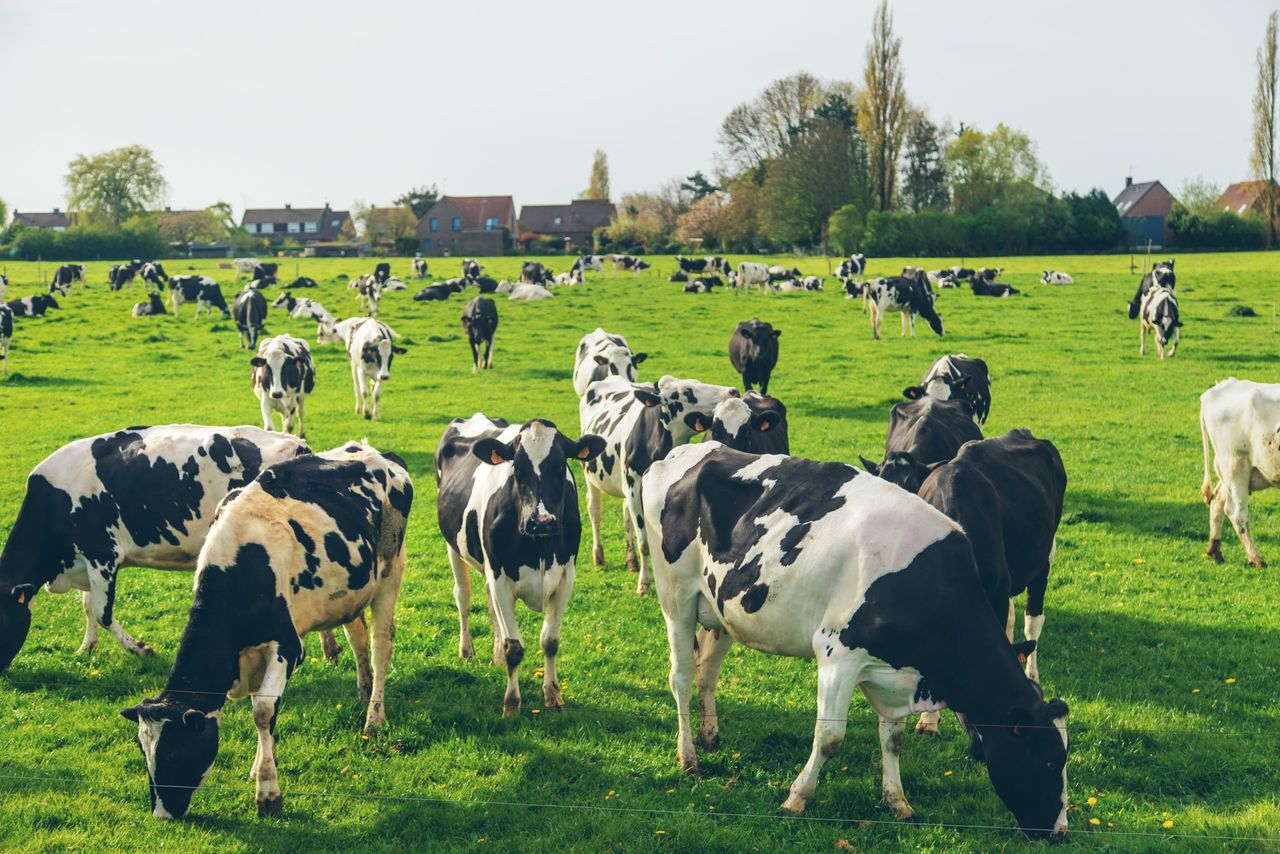
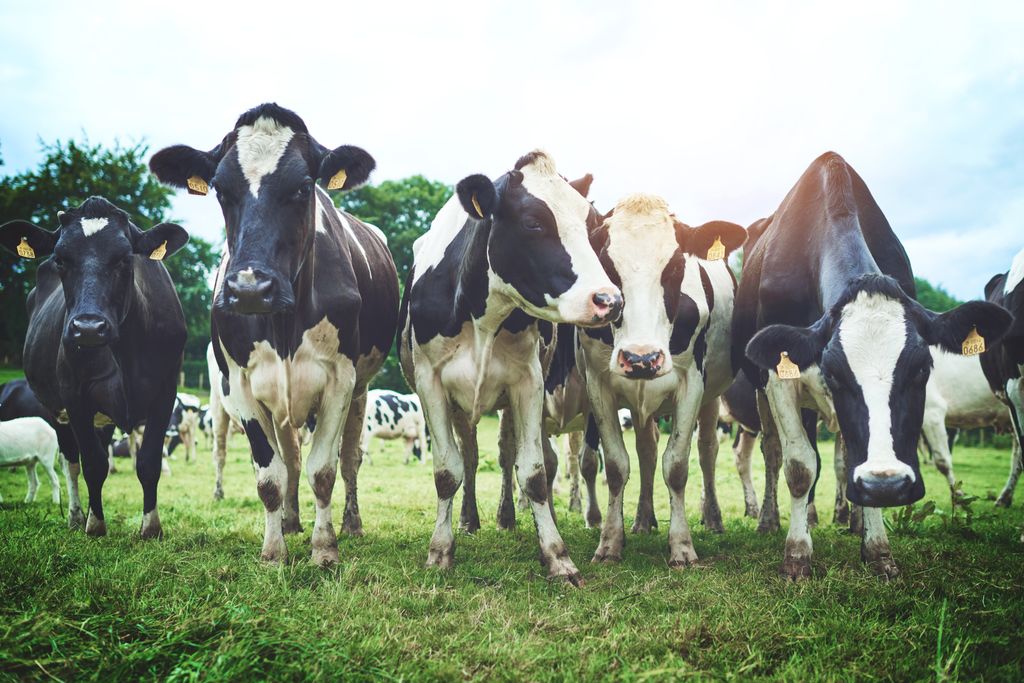
The herd comprises around 130 Kiwi-cross cows, developed from Holstein genetics crossed with other breeds to produce smaller, more robust animals better suited to grazing-based systems.
The farm operates a spring-calving system, with all cows calving between early February and mid-April.
The objective is to ensure peak milk production coincides with peak grass growth, which typically occurs in late April.
According to Grandin, this approach allows the herd to derive the maximum nutritional benefit from grazed grass during the most demanding stage of lactation.
Achieving this level of synchronisation requires strict reproductive management.
Breeding begins in late April and finishes before early July, helping to avoid the negative impacts of summer heat on fertility.
The remainder of the year is organised around this production calendar, with forage harvesting following the breeding period and herd drying off completed by early December.
During winter, cows remain outdoors through a bale-grazing system, where hay bales are distributed directly in the paddocks.
Following calving, cows and calves remain together for one week in a dedicated colostrum group.
Cows are milked once daily during this period before moving to the commercial milk herd, where they switch to twice-daily milking.
Grass
A key feature of the system is the emphasis on grazed grass in the diet.
Grandin believes this contributes to a more favourable omega-3 to omega-6 fatty acid ratio in milk and meat, while the high beta-carotene content of fresh grass gives milk a naturally richer yellow colour.
These characteristics are often associated with pasture-based dairy production and are valued for their nutritional profile.
From a technical perspective, the system illustrates how genetics, reproductive performance and grassland management can be integrated to maximise the use of home-grown forage.
By matching animal demand to forage supply, the farm aims to improve production efficiency while maintaining good animal health.
As interest in pasture-based dairy production continues to grow across Europe, the Grandin family's approach highlights the potential of seasonal calving systems to make greater use of grass as a primary feed resource while supporting the production of high-quality milk.
INTAQT is a five-year research project funded by the European Union's Horizon 2020 (H2020) programme.
The project explores the relationship between livestock production systems and the quality of chicken and cattle products.
Through the concept of "One Quality", INTAQT aims to demonstrate that safe, nutritious and enjoyable animal products can be consistently produced in both extensive and intensive farming systems while supporting more sustainable livestock production.
Sponsored by