Young farmer event views beef systems and visits Kepak Kilbeggan site

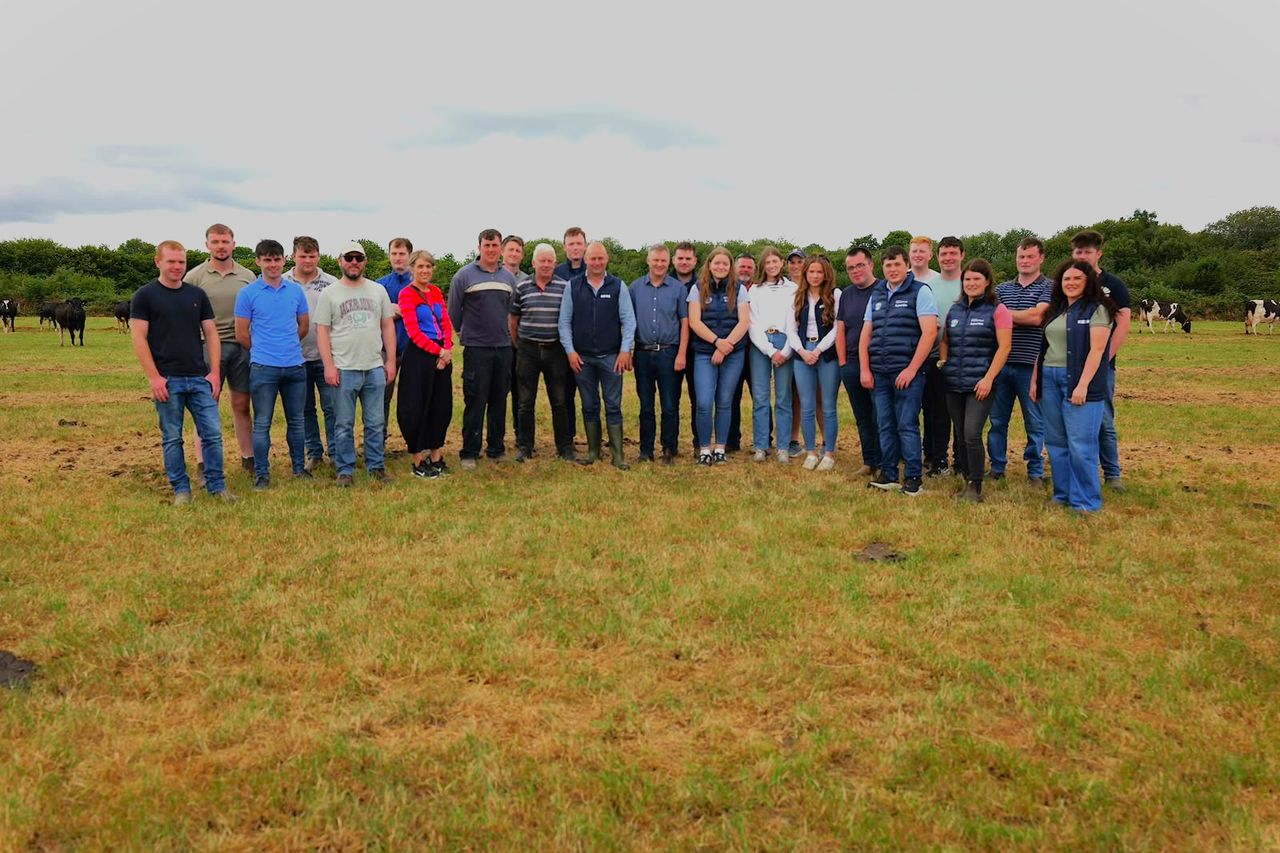
A group of young farmers from across Ireland recently met to view different beef systems and visit the Kepak Kilbeggan site in Co. Westmeath.
The group are participating in the Kepak Young Farmer Forum, an initiative being run in association with Musgrave.
The event took place on Thursday, July 23, and marked the fourth knowledge transfer (KT) event of the young farmer initiative which kicked off in April of this year.
On the day, the group visited two farms to view their systems and then returned to the Kepak Kilbeggan site in Co. Westmeath for a discussion session.
The Young Farmer Forum programme's aim is "to equip young farmers with the knowledge and skills needed to build resilient farm businesses" and the most recent event looked at on-farm innovation and also information on the wider beef supply chain.
Dairy and calf to beef enterprises
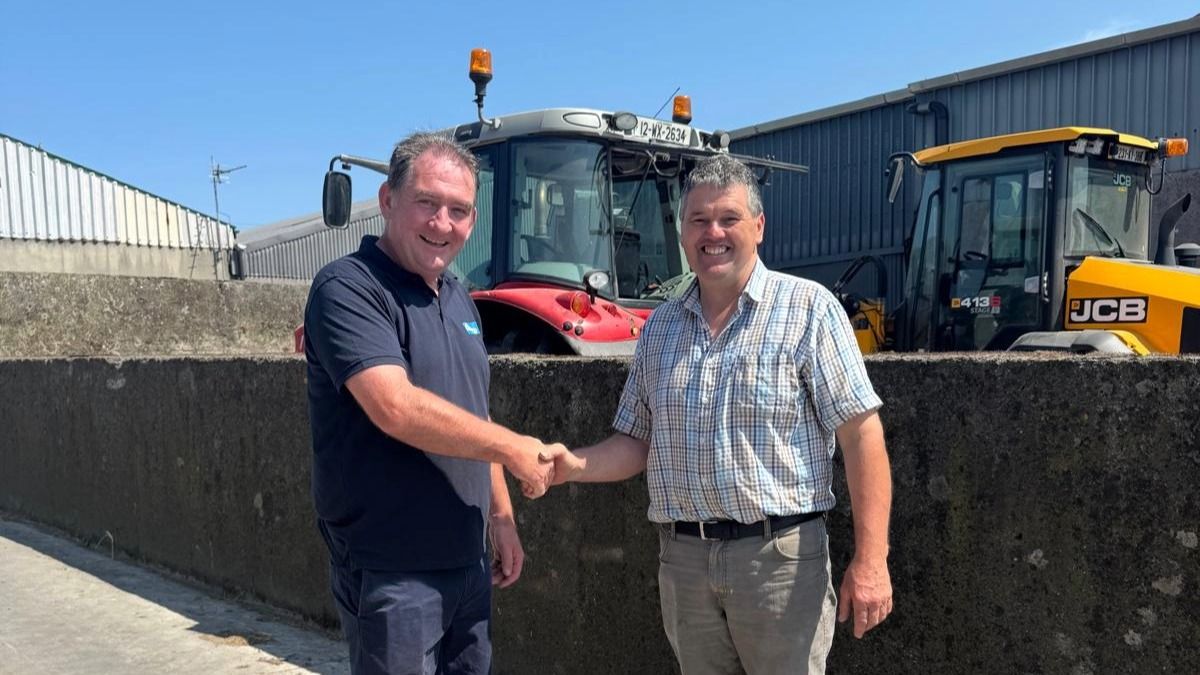
The first visit of the day was to the farm of Noel and Eamon Dunne in Co. Laois.
The Dunnes are operating a dairy operation in conjunction with a dairy calf to beef enterprise.
On the farm, the value of effective succession planning and structured farm partnerships was discussed.
The Dunnes run a 130-cow dairy herd alongside a dairy calf-to-beef enterprise and the father-and-son partnership structure enabled the farm business to access grant support which facilitated the installation of two robotic milking units.
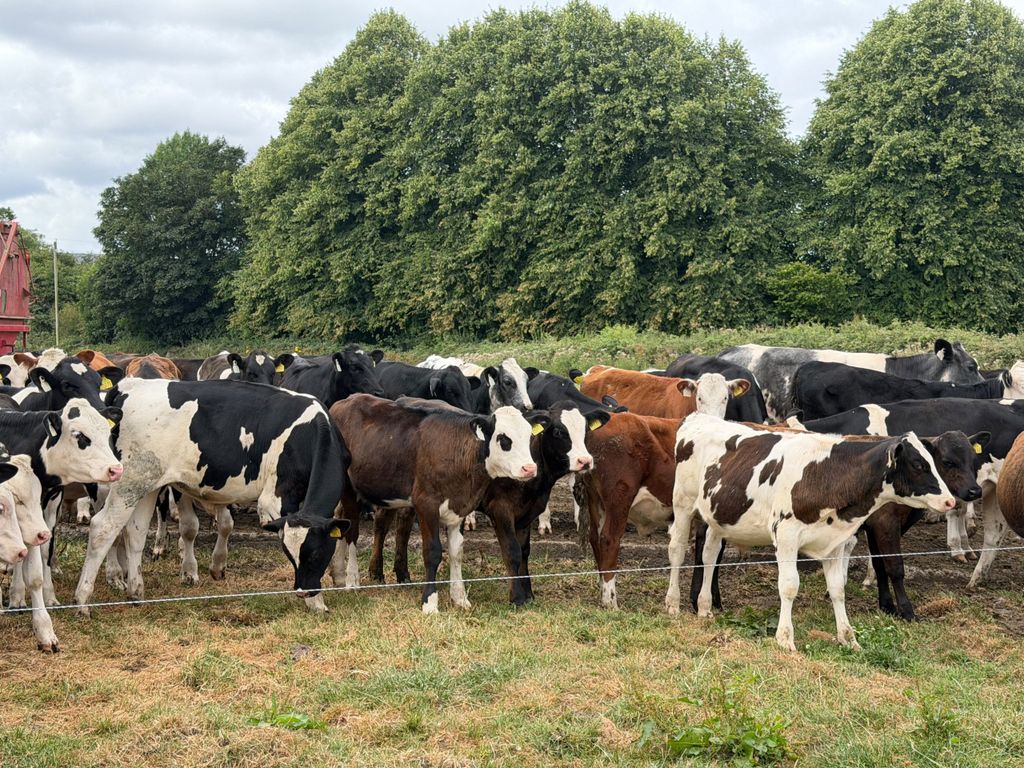
The young farmer forum group heard that the investment significantly improved labour efficiency, herd management and work-life balance, while supporting the continued expansion of the business.
By retaining dairy-bred calves through to finishing and combining technology with strategic infrastructure development, the Dunnes have created an efficient, scalable farming system that demonstrates how collaborative farm structures can unlock opportunities for growth and innovation.
Unique store to beef system
The second farm visit brought the group to the farm of John Dooley, also in Co. Laois.
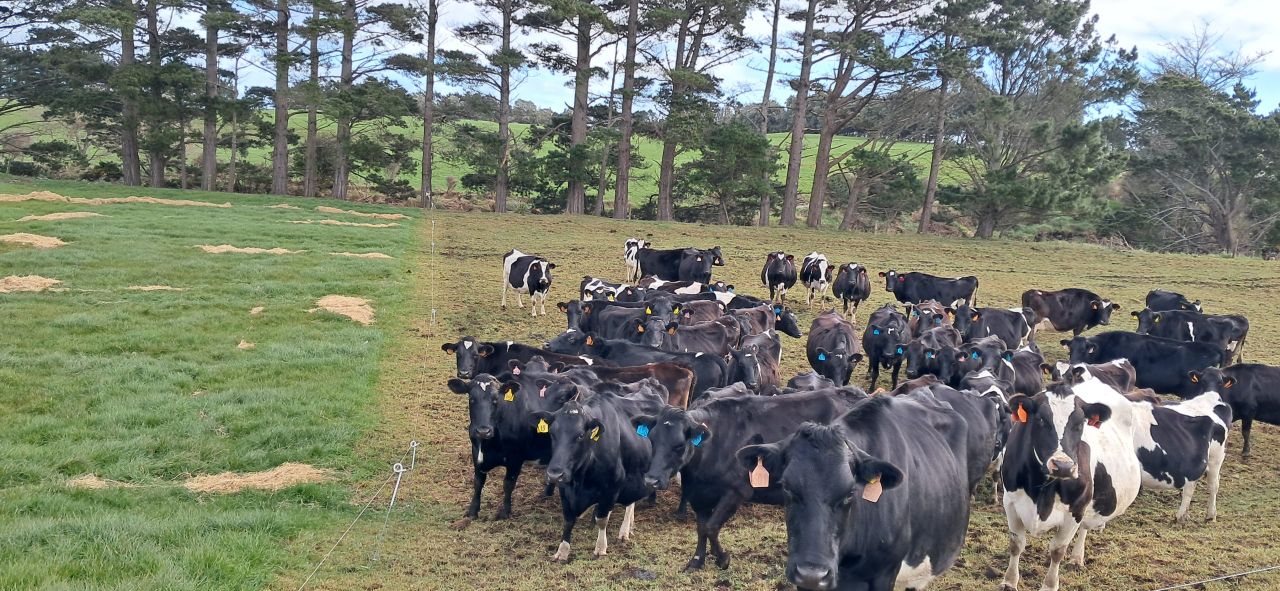
Dooley shared his experience of finishing cattle off grass using a zero-grazing system.
John Dooley has been operating a zero-grazing system since 2018, producing high levels of grass and finishing store cattle without the use of chemical nitrogen fertiliser.
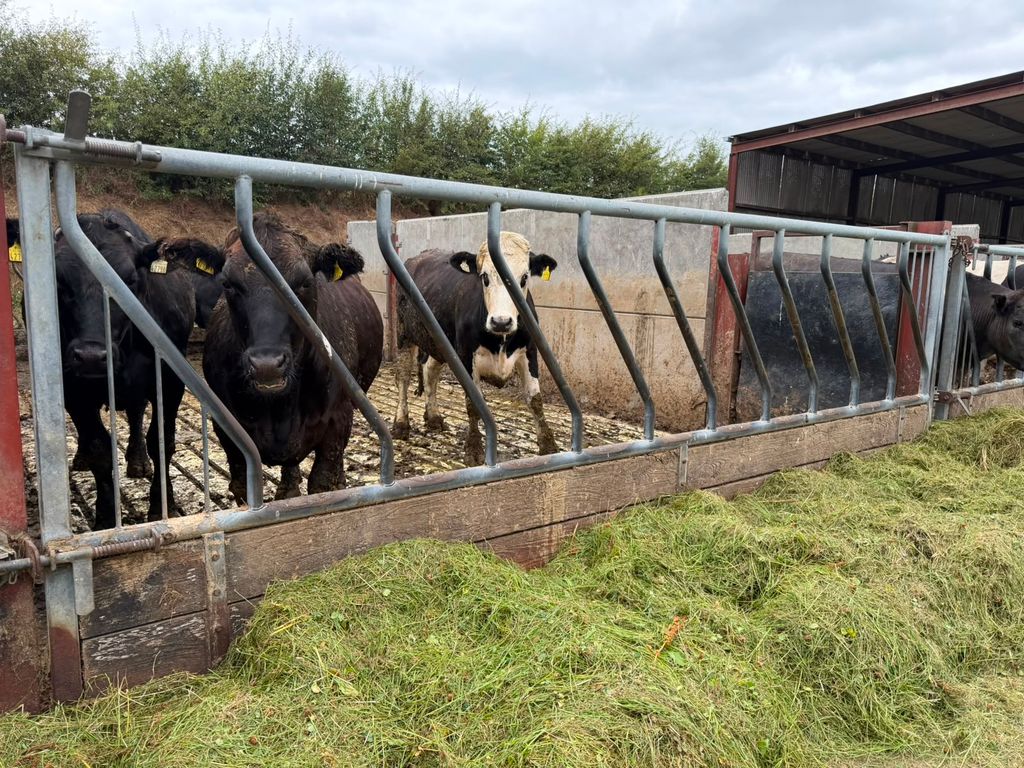
The system is built around the growth of perennial ryegrass and white-clover swards, with slurry recycled back onto the land using low-emission application methods to maximise nutrient utilisation.
Maintaining soil fertility is a key priority, with pH, phosphorus and potassium levels closely monitored to support clover performance and grass production.
An effective reseeding programme helps maintain sward quality, while fresh grass is harvested and fed to stock on a daily basis, allowing for tight control of grass utilisation and animal performance.
Dooley said that the combination of clover, slurry and good soil fertility management has enabled the farm to maintain a high stocking rate while significantly reducing reliance on purchased inputs.
Kepak Kilbeggan talk on young farmer wellbeing and financial resilience
After the two farm visits, the group arrived at the Kepak facility in Kilbeggan, Co. Westmeath, hosted by site manager Conor Seery.
The session included talks focused on farmer wellbeing and financial resilience from two industry experts in the respective areas.
Laura Tully from Fit Farmers delivered an engaging presentation on mental and physical wellbeing, focusing on practical actions farmers can take to manage workload pressures, improve resilience and protect their long-term health.
Participants also received access to the Fit Farmers platform to support continued positive health and wellbeing.
The financial aspect of farm development was discussed by Nicola Featherstone, agri advisor with AIB.
Her presentation covered funding opportunities available to farmers, preparing for discussions with lenders and key considerations when investing in business expansion, technology and infrastructure.
The Young Farmer Forum continues to bring together ambitious young farmers from across Ireland for educational and networking events throughout 2026.
According to the host partners Kepak and Musgrave: "By combining practical farm visits, industry exposure and expert-led learning, the programme aims to support the next generation of farmers in building profitable, sustainable and future-focused enterprises."