Inside a New Zealand family farm milking 1,000 cows

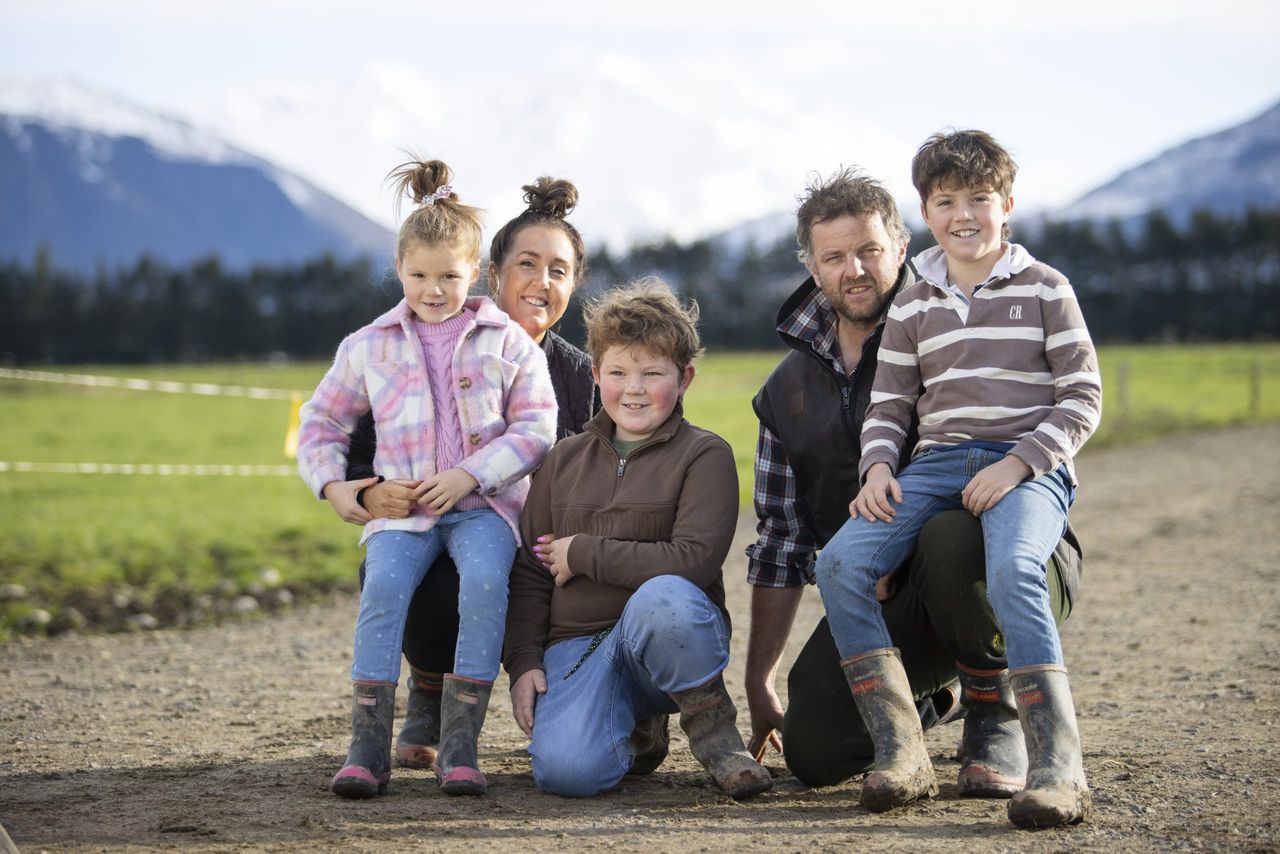
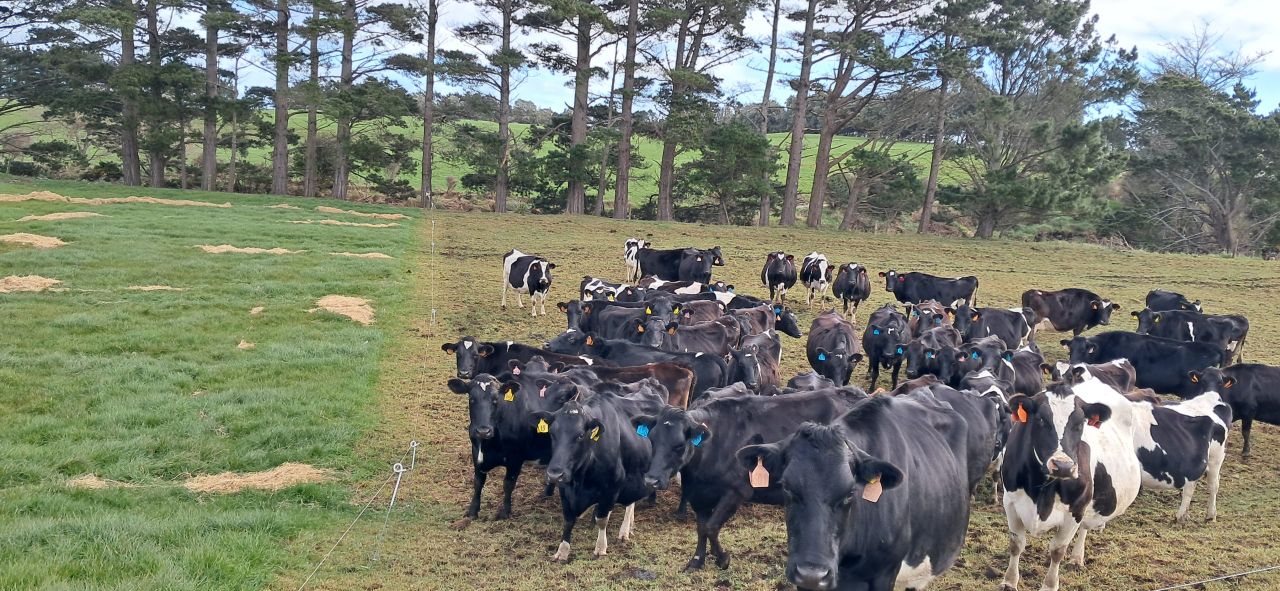
Hayley and Gareth Lewis are milking 1,000 cows in Methven, New Zealand with their three children Harry, Mack, and Neve.
The couple spent 13 years sharemilking with Dairy Holdings, in which time they had grown enough equity and cow numbers to place a deposit on a farm of their own.
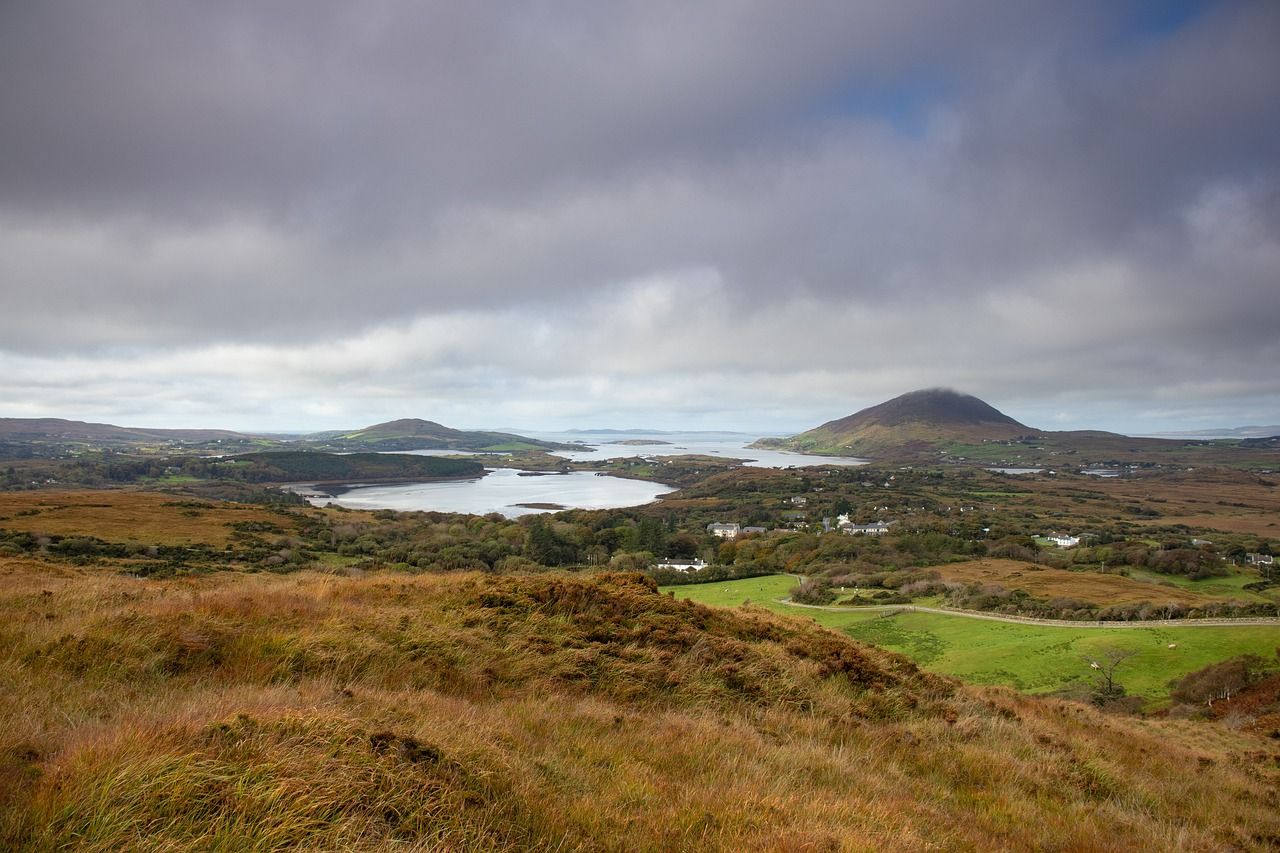
When a 280ha platform went up for sale at the base of Mt. Alford, just outside the small town of Methven, which is situated in the Canterbury region of the South Island, the couple bit the bullet and went for it.
Just over a year later and ready to start their second season, the Lewis family chatted to Agriland about the operation and their plans for the future.
Milk production
The Lewises sold the herd of cows they had built up during their time sharemilking to Dairy Holdings when purchasing the farm.
That meant buying in a completely new herd for the 2025 season.
This move helped them to gain approximately NZ$400-$500/head in equity across 1,200 cows, pushing cash flow on by more than NZ$500,000 to help with the purchasing cost of the farm.
But it ultimately left them with a herd of 880 cows from 18 different lines, which are not up to their standard as of yet.
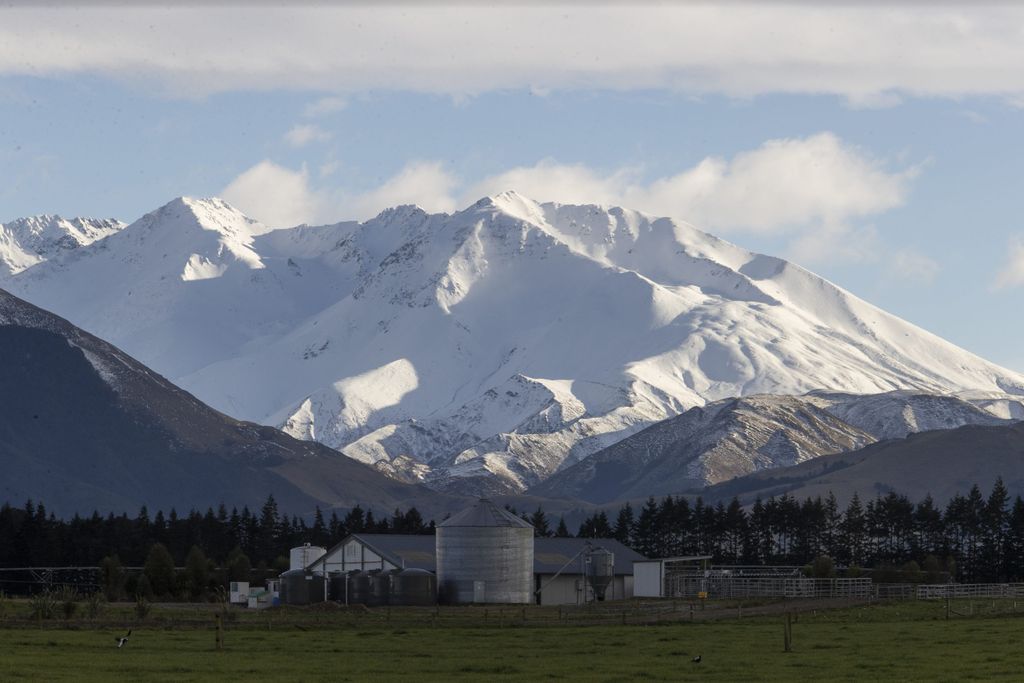
The herd produced 348,000kg of milk solids (MS) last year, which is approximately 386kg/MS per cow from a grass diet, alongside approximately 4kg/cow/day of a palm kernel and barley in their 60-bale Waikato rotary parlour
As the season kicks of this month with cows now calving down in New Zealand, the Lewises have a realistic target set for the year of 400,000kg/MS from the 1,000-cow herd.
Gareth will then be looking for 450,000kg/MS next year, and 500,000kg/MS the year after as the herd improves through strategic purchasing of dairy replacements.
With an average herd mature weight of 450kg, the Lewises target will see the cows produce their weight in solids by year three, and push beyond that by year four.
Farm system
Given New Zealand's calendar season, cows are dried off in the middle of May over the course of two to three weeks.
Due to the new herd, the Lewises carried out a blanket dry-off this year, with all cows receiving antibiotics before being chased with teat sealers.
They plan on milk recording four times this year, with Gareth saying: "The plan is to drill into the somatics and get rid of some passengers."
The last herd they had averaged 120,000cells/ml, while this herd averaged 200,000cells/ml in the first season.
This is a figure Gareth is not overly impressed with, as he targets the 100,000-120,000cell/ml target again.
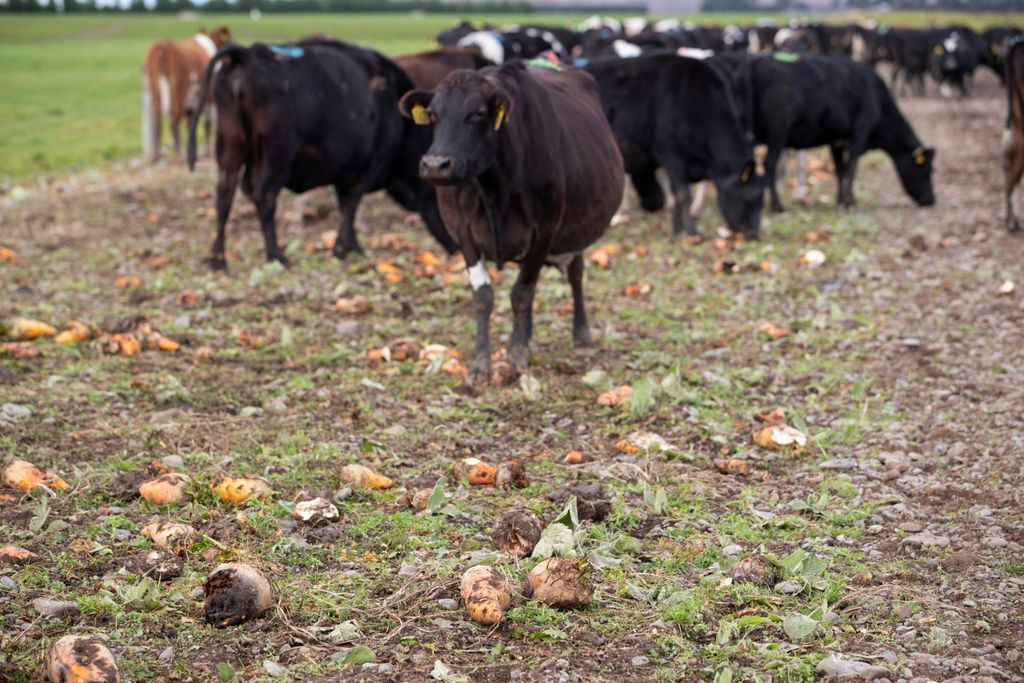
Readers familiar with the Canterbury dairy system will be aware that there is no such thing as a slatted shed in the region, as the vast majority of animals are outwintered on fodder crops.
Therefore once the Lewises herd is dried off, half of them are transported to a contracted out-block 50km away, where they are outwintered on kale and oats.
Meanwhile the other half of the herd, typically early calvers, are outwintered on fodder beet which is grown on the farm, protecting the Lewises from the winter feed market.
Cows are also fed silage, with the Lewises making both square silage bales and tubes.
The cows on the out-block return as springers, generally two weeks ahead of calving.
Calving and breeding
The farms calving date is set to July 28, but with the volume of heifers in the herd, the Lewises had a number of early calvers this year.
They aim for a 75% six-week calving rate with the cows, but the overall number is higher when heifers are considered.
Hayley and Gareth noted that a busy day on the farm may see 35-40 cows calve down within 24 hours, with Hayley taking charge of calf rearing before they are moved off-farm.
The majority of cows are bred to beef breeds, significantly reducing 'bobby calves' on farm.
In particular, the Lewises are breeding Wagyu calves which are sold to First Light, who rear and sell Wagyu beef.
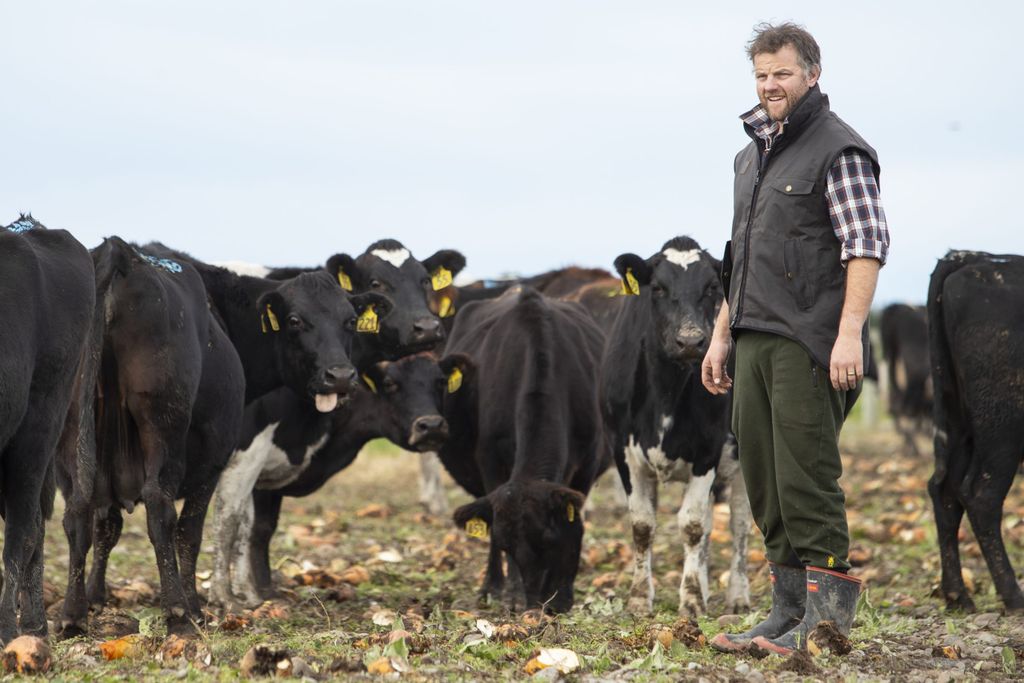
Breeding would have started at the end of October on the farm, with six weeks of artificial insemination (AI) before bulls enter the herd.
The bulls are pulled before Christmas, and the Lewises use "super short gestation", a breed that can pull cows falling out of the cycle back in by two weeks.
This is important for them in the early years, as 40% of the new herd bought in had not yet cycled at their planned mating start date last year.
Tail painting is the preferred method of heat detection for the herd, with Gareth saying in reality they would be aiming for a mid-80% three-week submission rate.
Gareth said they are not using any sexed semen as it stands as they are not breeding their own replacements, but it may be an option in the future as the herd improves.
Grass
The farm grew 14.5t of dry matter (DM)/ha last year off 170 units of nitrogen as well as super phosphate, while stocked at 3.6 livestock units (LU)/ha
They carry out regular grass walks are carried out with a plate metre, with the Lewises using the Irish feed software, AgriNet, to record their measurements and draw up wedges and rotation planners.
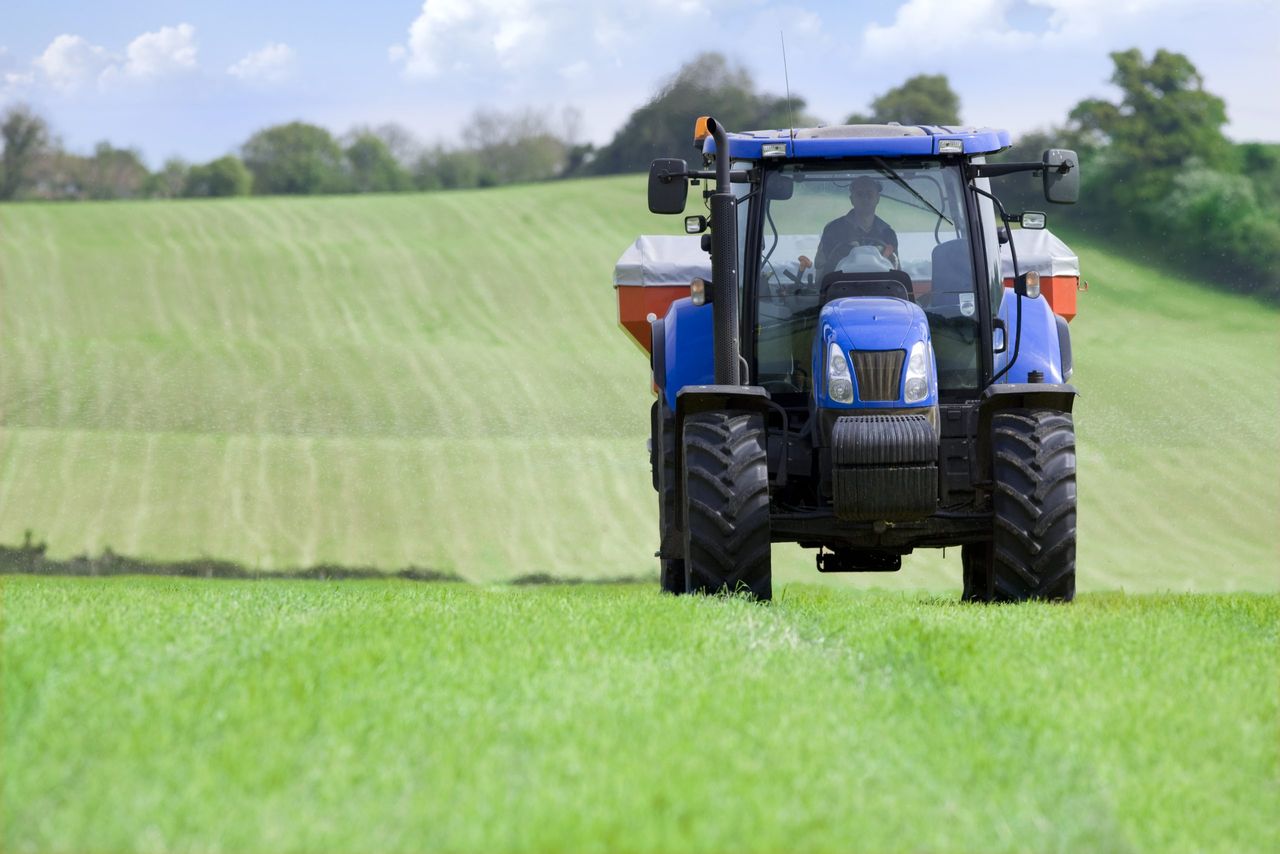
The farm had a pH deficit, which led to the Lewises spreading quite a bit of lime too to correct their soil health last year.
Unlike Ireland, they do not have a heap of farmyard manure and slurry to spread, but dairy washings are applied through the farm's irrigation system.
The Lewises planned to reseed a portion of the farm last year, but buying additional cows put a halt to that decision.
The current plan is to reseed pasture this year, ploughing and cultivating the bed before hand, with Gareth noting that the winter fodder is also on a crop rotation, so those fields will more than likely be planted as permanent pasture this year.
Clover usage is the same as here, with the plan to get the farm towards the 20% rate eventually.
The farm was heavy rolled behind the first rotation after moving in to drive stones back into the ground, rather than rolling for any damage.
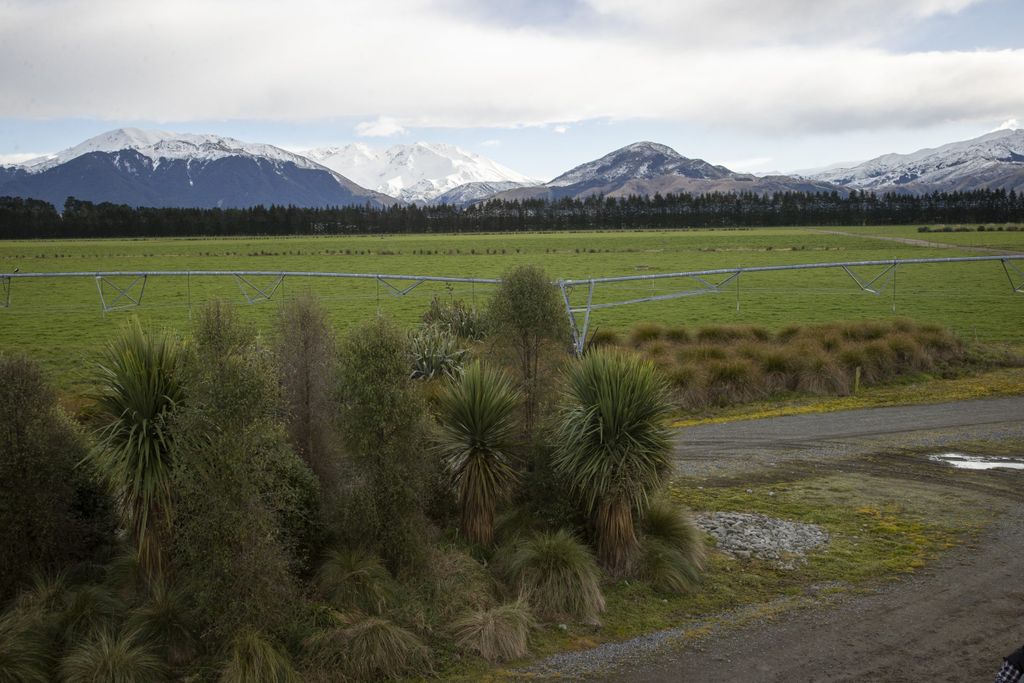
In terms of irrigation, the farm has two large pivots with 12 spans running off them, covering approximately 120ha each.
There is also two small irrigators in the corners of the farm covering a smaller area. Gareth noted that irrigation costs them approximately NZ$1,000/ha