What's in a brand name? For manufacturers, everything

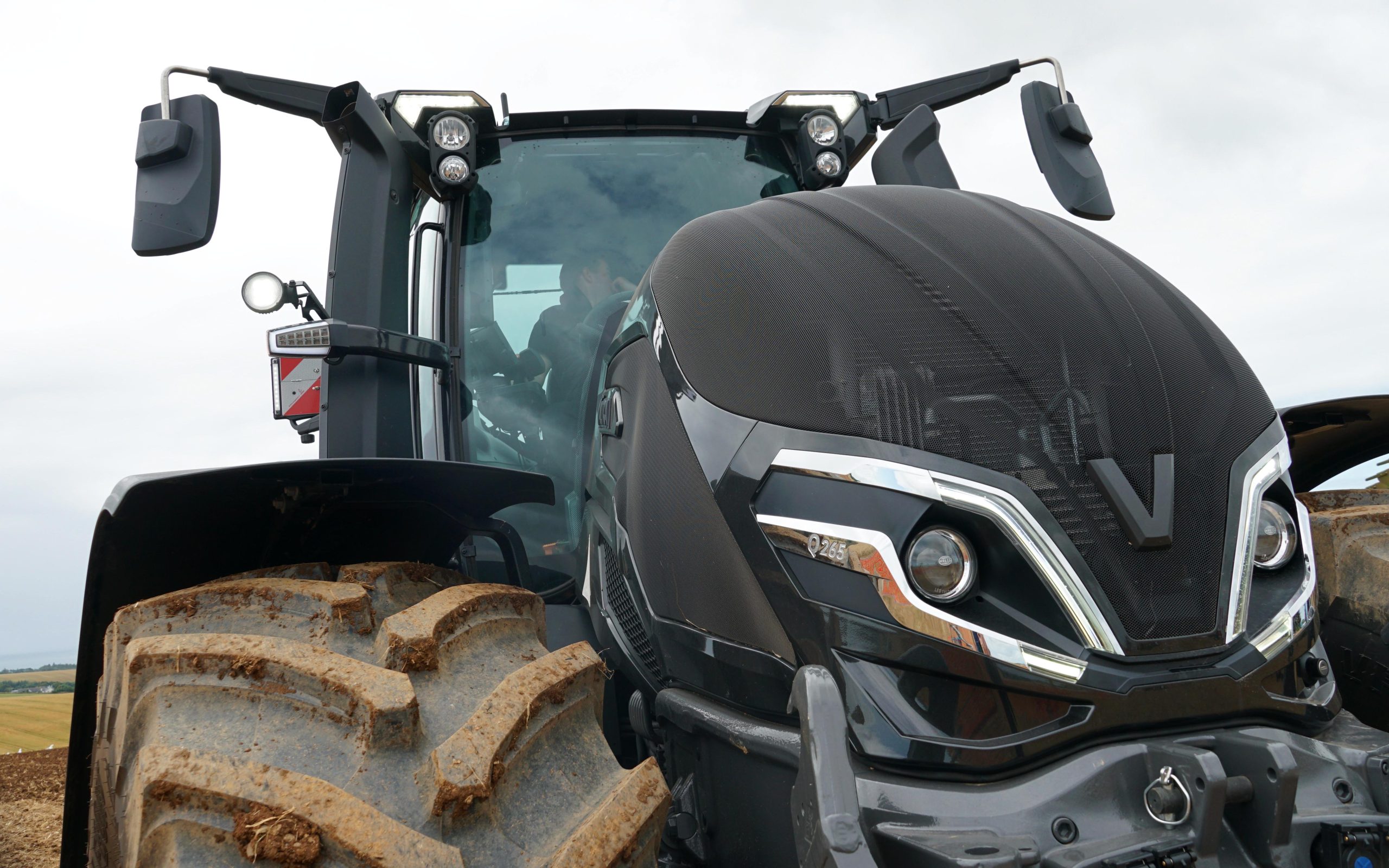
We are all familiar with the major AGCO brands, especially the three tractor makes of Massey Ferguson, Fendt and Valtra.
However, it also has a series of lesser known makes under its wing that may be confined to certain markets or operate within a smaller niche.
AGCO was formed through acquisition and has expanded through a mix of natural sales growth and the purchase of other companies to create a parent corporation that encompasses a large range of agricultural activities.
This approaches the stated desire of all the larger companies to be 'full line', that is, to be a one-stop shop for all a farm's machinery needs.
Full line issues
Yet once a large company absorbs a smaller one and promotes its products under the one corporate label, there is the risk that innovation may be lost.
The smaller company can also suffer at the whims of managers and directors far removed from the business.
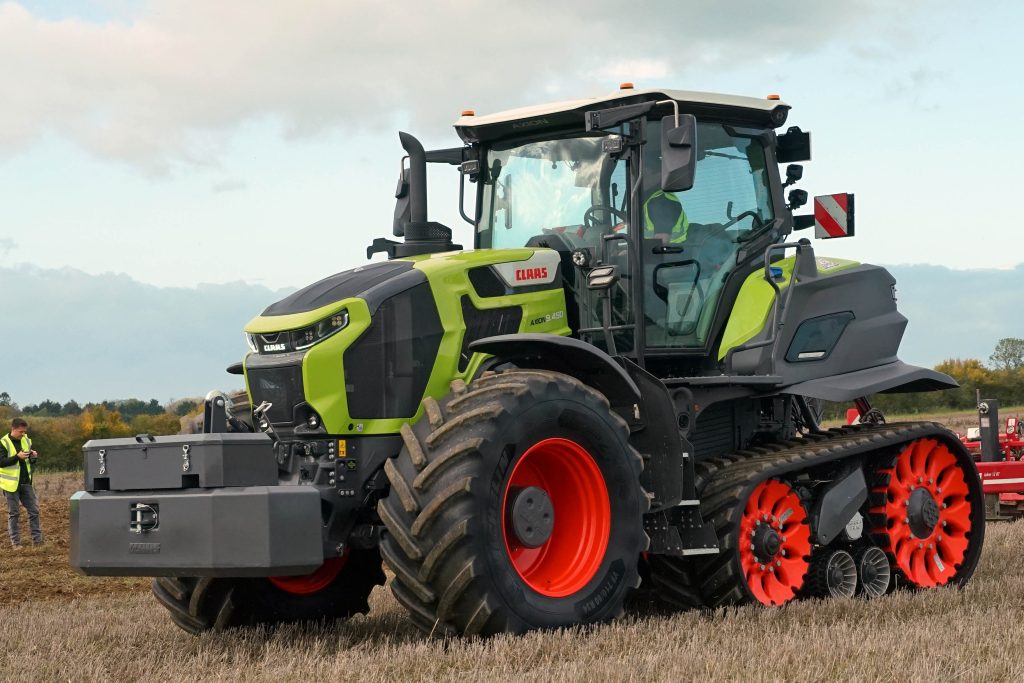
This need not be the case at all, as can be seen with New Holland taking Ford tractors on board and Claas with Renault, although - in Ireland at least - Ford had a much stronger market presence than the French manufacturer.
Another issue to be wary of is the loss of brand identification and loyalty.
It is hard to put a value on these nebulous concepts but customer loyalty to a marque, or a dealer, is recognised as a major part of the buying decision.
Brand management
All of the major tractor manufacturers have their own approach to the question of branding.
CNH have two major brands, Case and New Holland, along with Steyr, which is limited to certain markets.
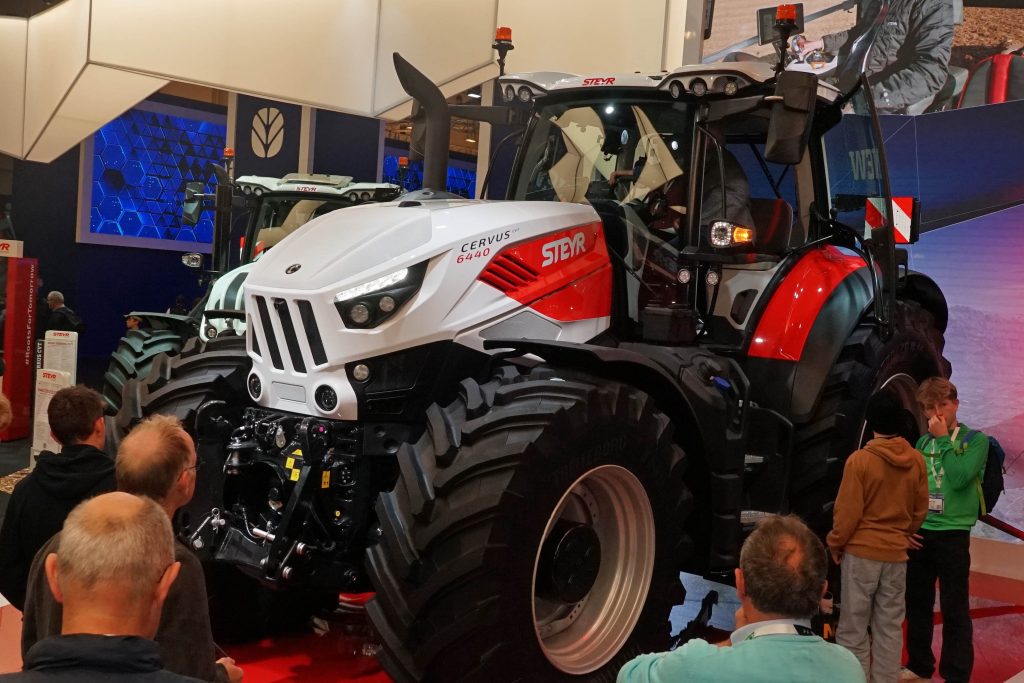
The first two have construction and agricultural divisions while Steyr is purely an agricultural tractor company with models that are somewhat similar to Case machines - hardly surprising since they share the same production facilities.
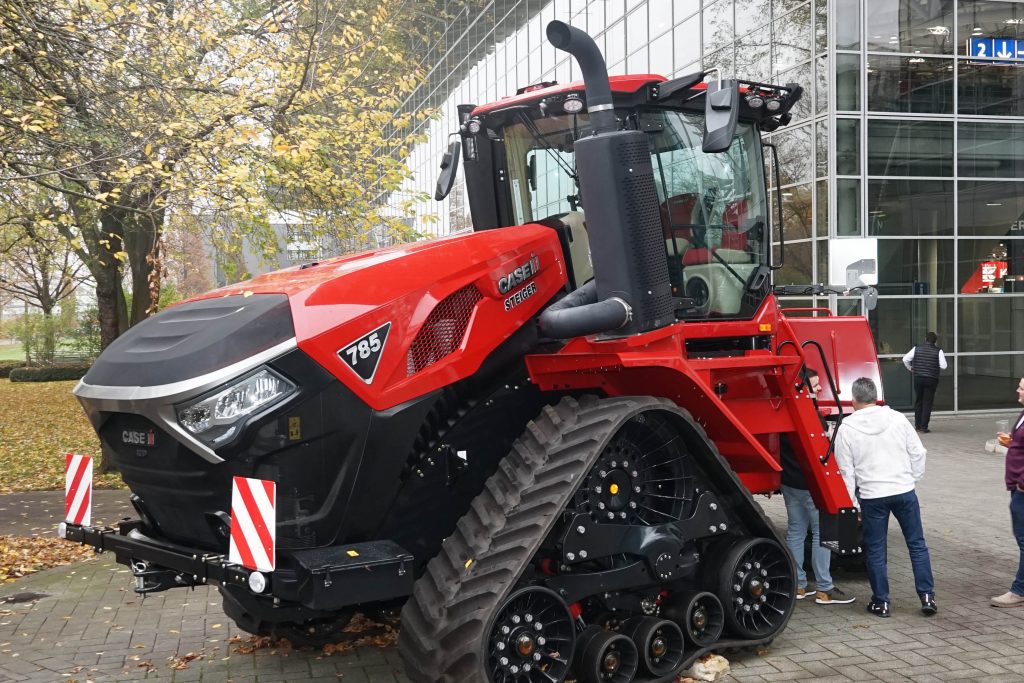
Likewise, many Case tractors are made at the New Holland factory in Basildon, England, yet CNH are careful to keep the three brands quite separate, with distinct marketing and distribution channels for each despite them sharing many common components.
Legacy counts
One good reason for doing so is that Case has a much stronger presence in the US as a tractor and combine maker, whereas New Holland is more dominant in Europe.
Even though the New Holland name is American as mom's apple pie in its origin, the purchase of the Belgian Claeys factory in 1964 brought the name to Europe, where it still has its main combine facility.
Keeping Steyr going rather than totally subsuming it into either Case or NH preserves the option of building it up as a specialist or premium brand at some point, and there were rumours of it becoming a rival to Fendt a year or two back.
Horizontal market placement
AGCO on the other hand have a range of tractors that cut across international divisions. All their companies have a strong market position wherever they are sold.
Yet the corporation does manage its brands on a global scale although they appear to be left to their own devices locally, but such appearances may be deceptive.
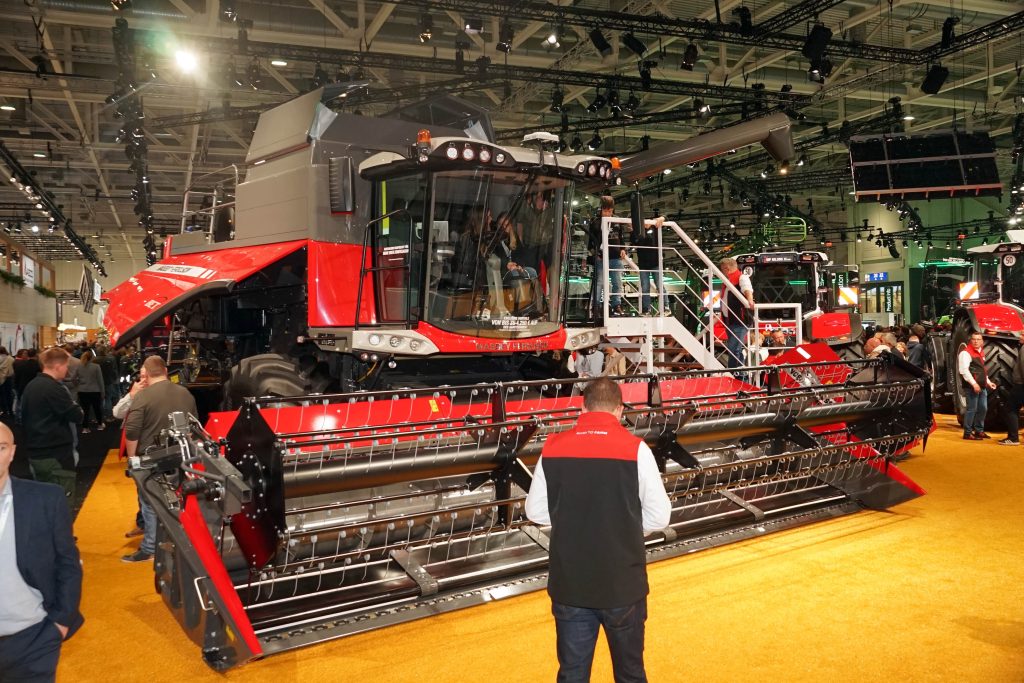
Anyone who attended the last couple of Agritechnicas will have noticed that the greater part of AGCO's stand was given over to Fendt, while Valtra and Massey Ferguson took a very noticeable second and third place respectively.
German company at home
Certainly, the show is held in Fendt's home market, where it often tops the sales charts, but it is also billed as an international event with visitors and exhibiters from around the world.
Massey Ferguson would be bigger in many counties than Fendt - Ireland being the prime example - while Valtra naturally has Finland sewn up and is huge in Brazil, where it has been building tractors since 1960.
Yet AGCO rarely misses an opportunity to declare its intent to push its premium brand wherever it is sold; no doubt keeping the shareholders happy as it is at the top end of the market, with all the bells and whistles, that the most money is made.
Chasing big brother
It has been suggested that Valtra is adopting a more Fendt-like business model of all the digital trickery with a price tag to match.
This would leave Massey Ferguson to cater for the demand in the mid-range sector, although still being totally competent tractors that share the same engines and transmissions with the other members of the family.
However, MF has something more up its sleeve, and that is a history of implement production.
Full line before it became fashionable
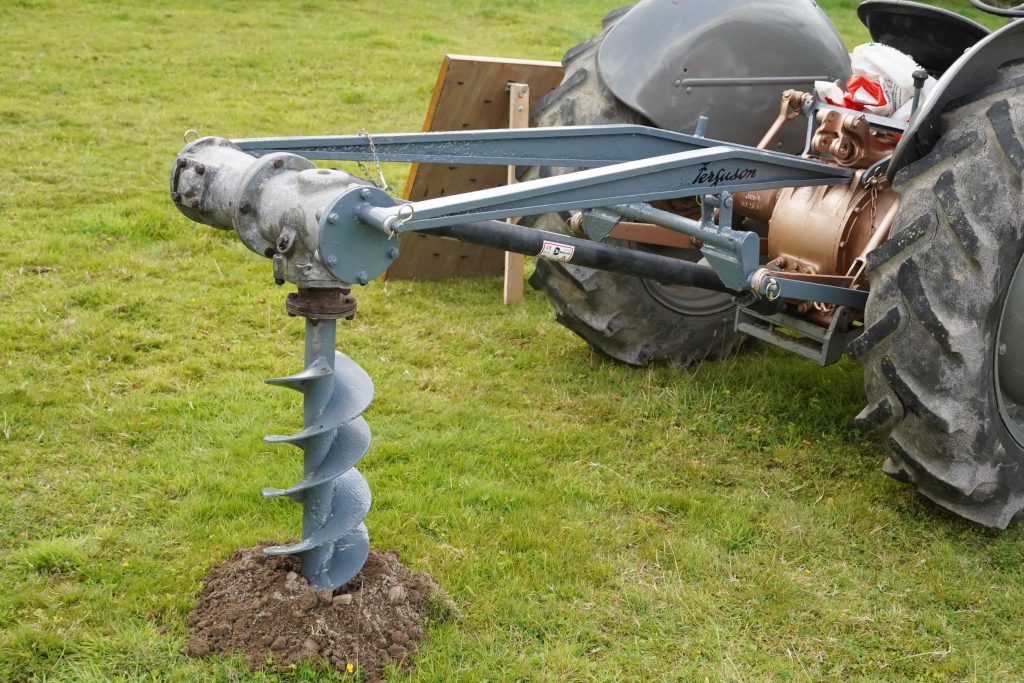
Harry Ferguson was keen on having implements that matched his tractor's capabilities exactly and, even as Massey Ferguson, the company continues to sell machines that were suited to its core product.
As Valmet, the Finnish company never made implements, but it had an approval scheme for products that met certain quality standards and these were sold alongside the tractors by its dealers.
The name given to the approved products was Valtra, and this was later adopted for the tractors when the Valmet name had to be surrendered in 2001.
Badge engineering
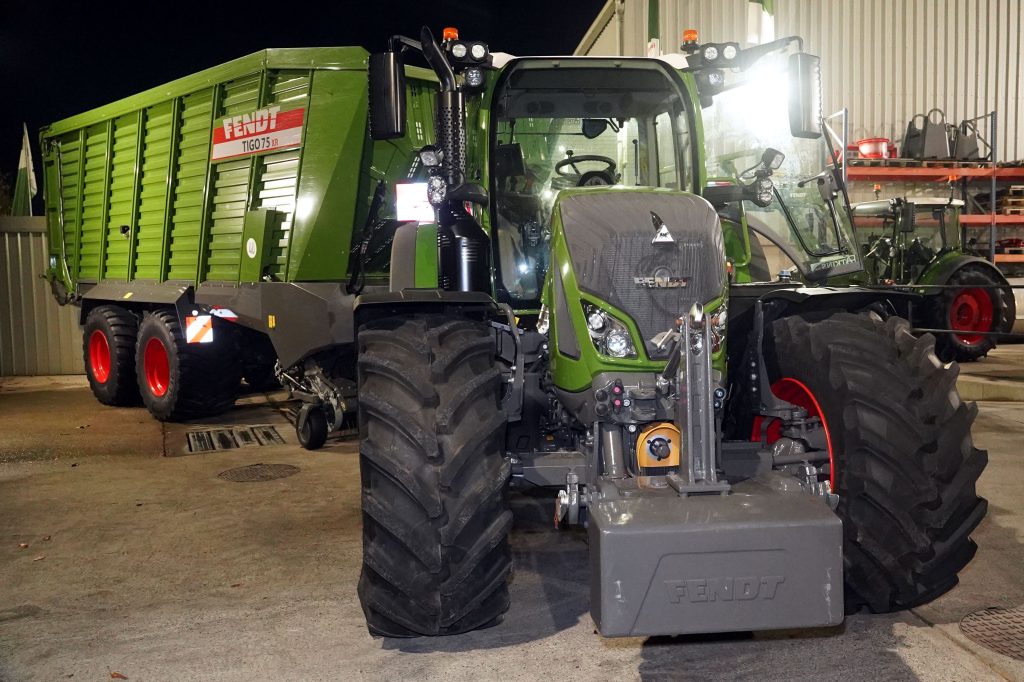
Fendt, on the other hand, had implements thrust upon it by AGCO, which never appeared to be the happiest solution.
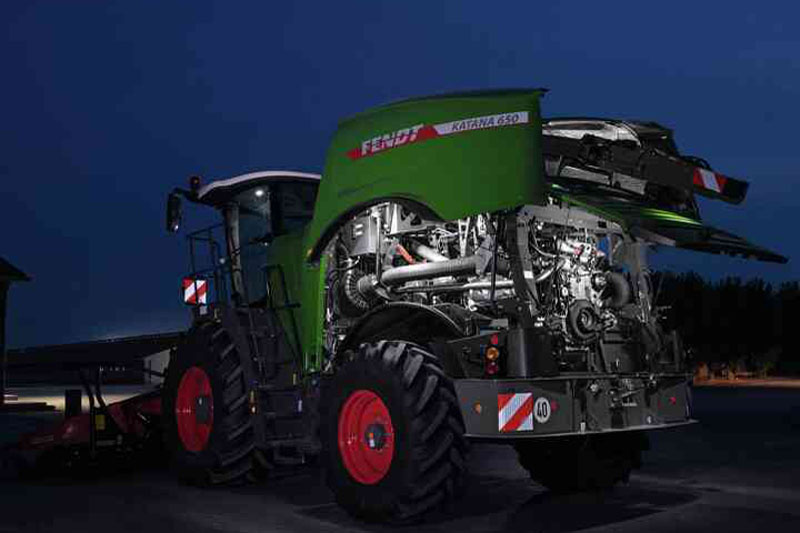
Katana forage harvesters, for instance, are by all accounts excellent machines, but Fendt has no legacy in harvester production.
Indeed, development of the harvester was underway two years before AGCO acquired the company, and it still lingers as a worthy alternative to the larger sellers.
Heston lives on
A point of interest that does appear when looking at the AGCO brands is that in North America, AGCO refer to 'Heston by Massey Ferguson', reinforcing the idea of MF being an implement brand as much as it is a manufacturer of tractors.
Whether this actually signifies anything is a moot point, but with the loss of the Massey Ferguson name in India to TAFE, its role in the AGCO corporate stable has been diluted.
If AGCO and CNH are busy playing with their marques, then what of John Deere and Claas?
Both are resolutely single brand companies; all their products will have their respective name upon them and that name will be the one that is focussed upon in their marketing and sales efforts.