Tirlán to expand Farming for Water project across co-op catchment

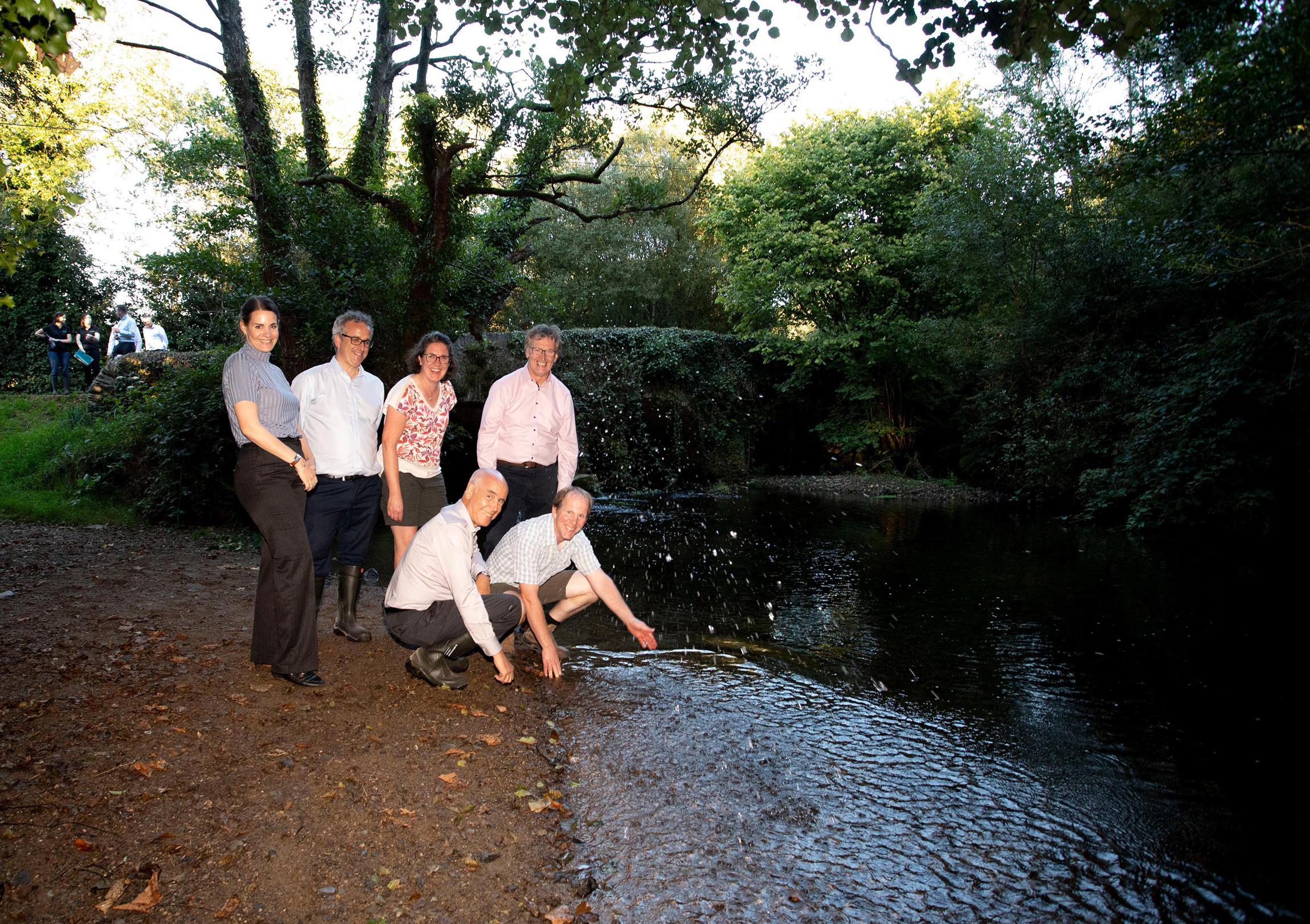
Tirlán is expanding the Farming for Water: River Slaney Project across the Nore, Barrow, Boyne, Blackwater and Suir catchments.
Launched in 2024, the project aimed to help enhance water quality in the River Slaney, which flows through the heart of the Tirlán catchment area.
The initiative brings together expertise from Tirlán, Teagasc, the Local Authorities Water Programme (LAWPRO), Uisce Eireann, Irish Farm Accounts Cooperative (ifac), local authorities, and the livestock and tillage sector.
The co-op said the decision to expand the project reflects its commitment to support co-op members improve on-farm economic and environmental performance and on-farm actions taking place as part of Teagasc’s collaborative Better Farming for Water Campaign.
Tirlán
Tirlán chair John Murphy said the decision is timely as nitrates derogation discussions with the European Commission are expected to begin in 2028.
"Planning for the next derogation starts now. This was my clear message in December when I spoke with senior European Commission officials and Members of the European Parliament in Brussels," he said.
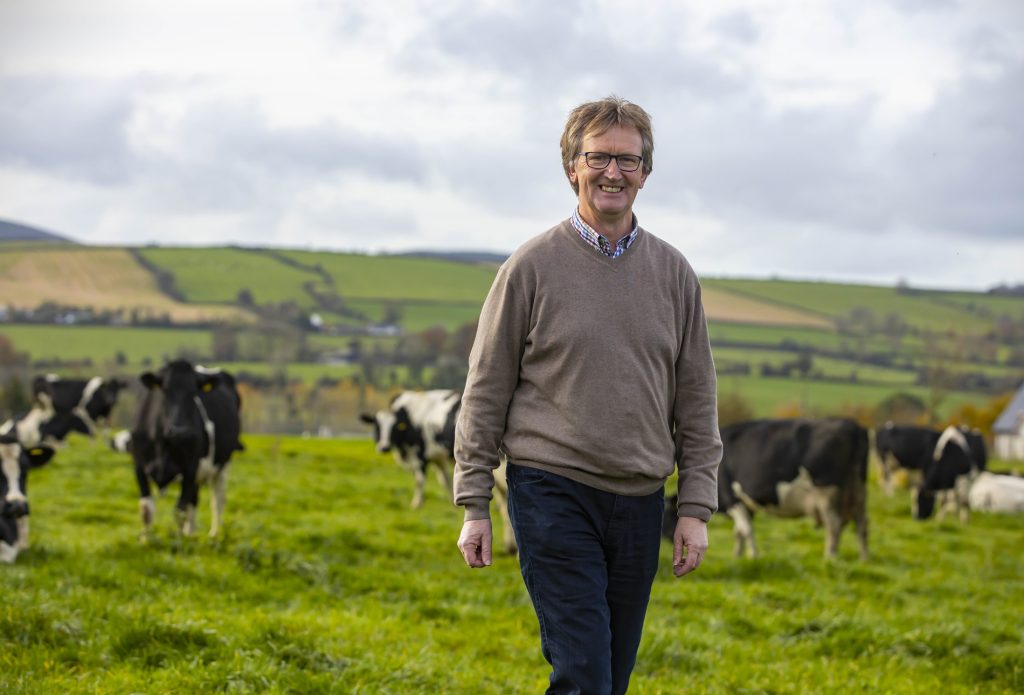
"Our co-op’s decision to establish the collaborative and European award-winning Farming for Water: River Slaney Project with partners including Teagasc, LAWPRO and ifac has now provided a science-based blueprint for national water quality improvement.
"The engagement by our co-op members to date has been very constructive and positive.
"I know this will continue into 2026 as we all seek to address water quality challenges in our local communities and give ourselves every chance of the continuation of the derogation, post 2028," he added.
Farmers
Tirlán CEO, Seán Molloy, acknowledged the large number of on-farm actions taken by farm family suppliers to enhance water quality and futureproof their family-based enterprises.
"Tirlán has worked with our co-op Members and submitted Farming For Water European Innovation Partnership (EIP) funding applications to the value of €6 million.
"This has helped fund practical measures that will make a direct impact on water quality. These include training courses, nutrient use efficiency actions, fencing off water courses and solar-powered electric fences," he said.

Tirlán suppliers are being encouraged to review their EIP applications and ensure measures applied for are implemented on-farm.
Molloy commended the "considerable work" by government, MEPs, Teagasc, farm organisations, ICOS, DII, LAWPRO and farmers in securing the nitrates derogation.
However, he called on the government to "work to pragmatically satisfy the Habitats Directive requirement without delay to ensure co-op Members remain in derogation post 2028 and that full TAMS funding is available for additional on-farm nutrient storage requirements".