Drop in temperature should reduce BYDV threat

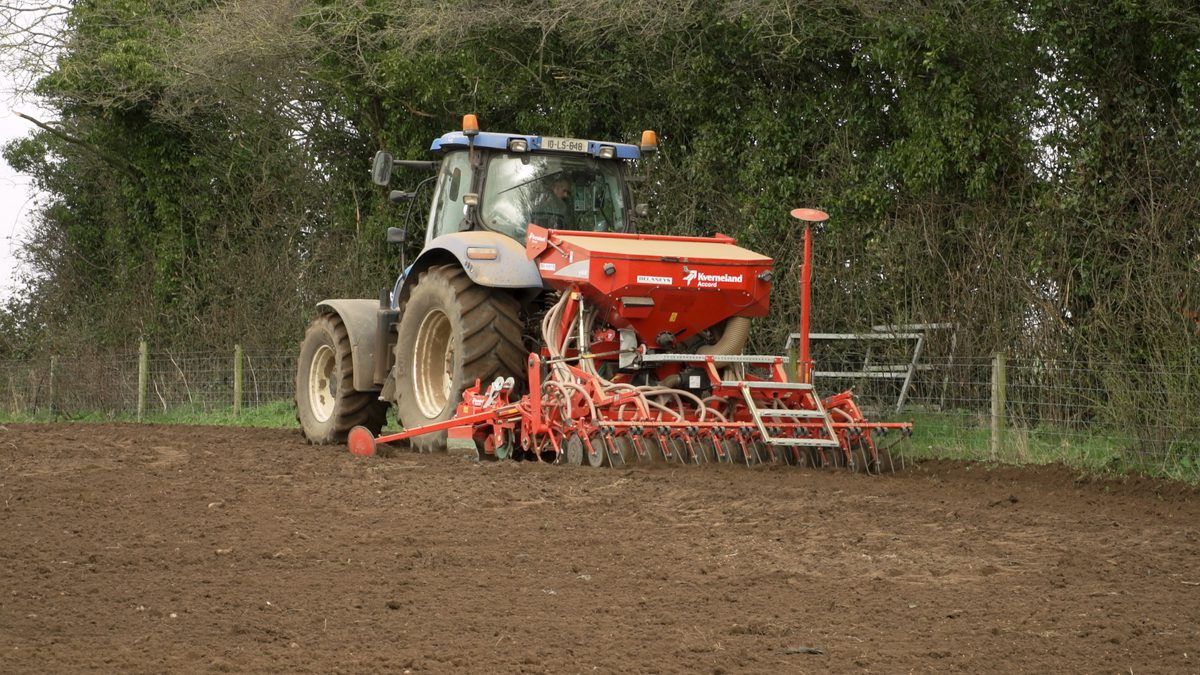
The forecasted drop in temperature for later this week will help to reduce the threat of Barley Yellow Dwarf Virus (BYDV) within the tillage sector.
Adding to the impetus for tillage farmers to get on with the job of planting winter cereals is the fact that ground conditions continue to hold up well.
And this should remain the case well into October at least.
According to Teagasc, significant numbers of larger tillage businesses pushed ahead with their autumn drilling work some weeks ago.
They found themselves putting seed into extremely warm soils, a factor combined with unusually high air temperatures.
In such instances, the main go-to defence tool, where BYDV is concerned, remains the use of a pyrethroid-based insecticide.
Such an approach is obviously adding to the cost of the crops planted out.
Adding to that pressure will be the enhanced challenge of coping with fast-growing grassland weeds. So again, more costs incurred.
Recent years have been characterised by heavy autumn rains impacting on ground conditions to the extent that autumn sowing of winter cereals was not feasible.
BYDV
Thankfully, this will not be the case in 2026. However, the threat of BYDV remains ubiquitous.
BYDV tolerant varieties of winter barley are now widely available with farmer-demand increasing exponentially.
But tolerance does not represent full resistance. The aforementioned tolerant varieties were all bred in the UK and or mainland Europe where the BYDV threat is posed by viruses that are different to those found in this country.
Teagasc is currently investigating the actual levels of "BYDV security" provided by the tolerant winter barley varieties now available in Ireland.
The results of these trials cannot come through quickly enough.
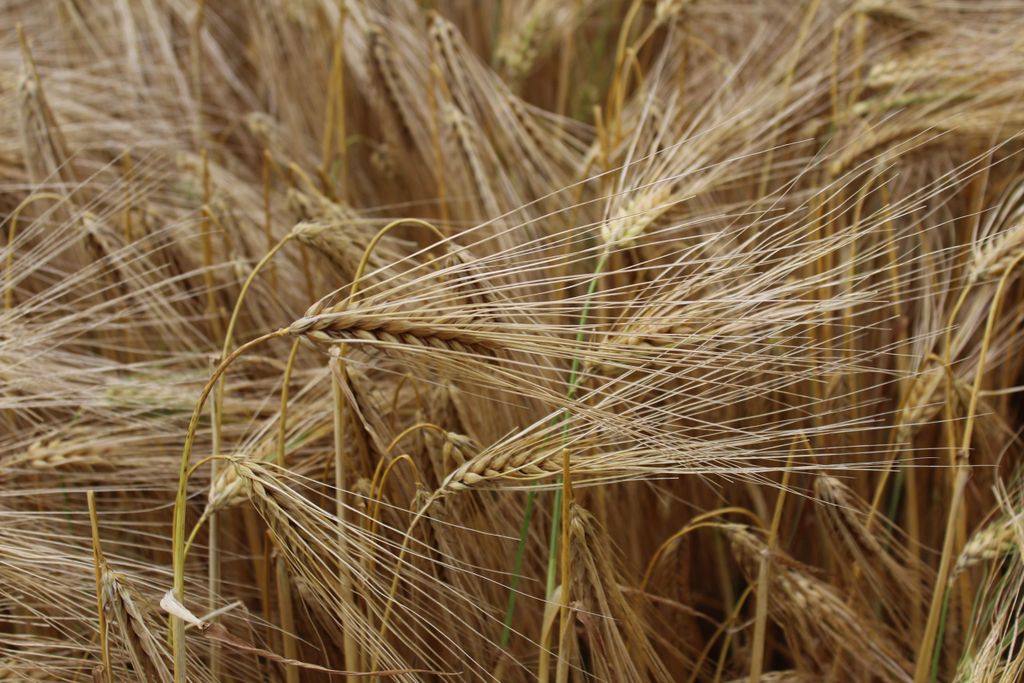
Winter barley was the real disappointment of Harvest 2026. A combination of BYDV, take-all and the drought dealt an absolute hammer blow to final yields.
So it quickly becomes a case of learning for the future.
Take-all
Where take-all is concerned, the obvious way forward is to grow winter barley after a break crop; options here include winter oilseed rape, spring beans, or oats.
And there is strong evidence to show that when such a regime was followed in 2025/2026 yields held up well.
Growing cereals continuously on one site is now recognised as not viable.
For one thing, the range of herbicide chemistries to deal with the weed burden encouraged by this approach is no longer available.
Meanwhile, the spectre of take-all lies lurking under the soil surface.
This means that the future of Irish cereal production must be centred on the establishment of sustainable rotations within which break crops feature prominently.