Sponsored
Did you know farm waste could save you money and improve soil?

Sponsored by
At a time when input costs, such as fertiliser, are ever increasing, digestate could be the key to a more circular farming system, one that has less reliance on imported chemical fertilisers.
The importance and relevance of digestate, a nutrient-rich by-product of anaerobic digestion (AD), is growing rapidly and as a result there are many practical opportunities for farmers.
A report titled “Use and valorisation of digestates: A practical review” co-authored by Yvette Jones, renewable gas project manager at Gas Networks Ireland and published by the Biomethane Industrial Partnership (BIP Europe) sets out in detail how digestate can be most effectively used.
Apart from reducing our reliance on fertiliser imports, digestate returns nutrients from farm and food waste back into agricultural production - it's a win-win.
Research demonstrates digestate can deliver benefits for nutrient management, soil health and sustainability when used appropriately.
With the growth of Ireland's biomethane industry comes opportunities for farmers, not just in terms of renewable energy production, but also by giving valuable nutrient resources back to farms.
So what is digestate?
In recent years, we have heard about the opportunities for farmers in terms of renewable energy and the potential to export farm waste to fuel biomethane.
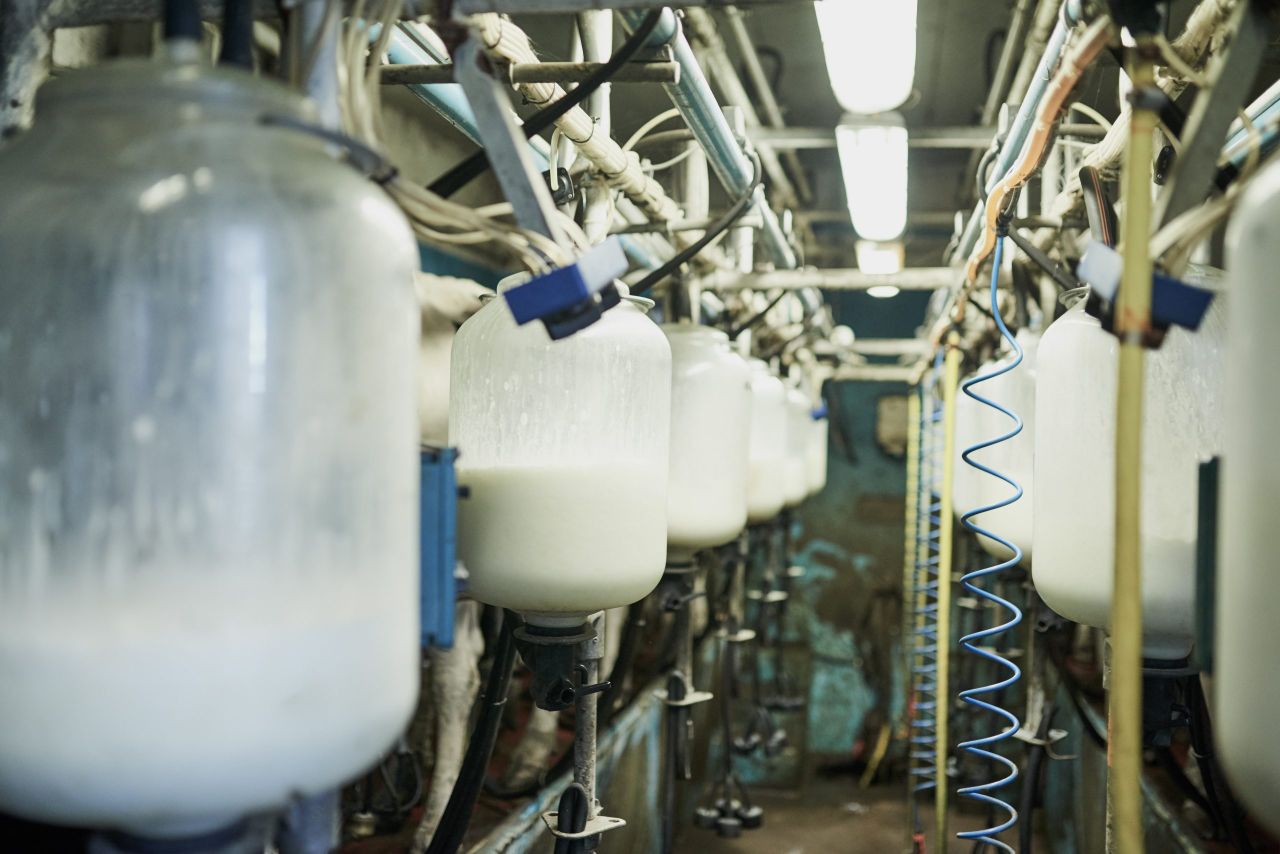
When a biomethane plant processes slurry, silage, or other organic material through anaerobic digestion, it produces two things - renewable gas and digestate.
Most of the conversation about Ireland's emerging biomethane sector focuses on the gas.
However more people are understanding and realising the potential of digestate as an opportunity in its own right for farmers.
Digestate is the nutrient-rich material that remains once biogas has been extracted from the feedstock.
Far from being a waste product, it contains nitrogen, phosphorus, and potassium in forms that are highly available to plants.
This makes it a valid substitute for the imported mineral fertilisers, reducing Irish farmers' reliance on a product that has a volatile market price.
In addition to highlighting how to effectively use digestate, the BIP Europe report also outlines evidence showing its agronomic benefits.
Jones was part of the core drafting team for the report, which draws on research and practical experience from across Europe.
She explained: "Digestates make the nutrient content from manure more readily available to plants, and so can reduce reliance on fertilisers produced by energy intensive processes using fossil fuels."
She added that digestates also contain organic carbon that improves organic matter levels in the fields it is applied to.
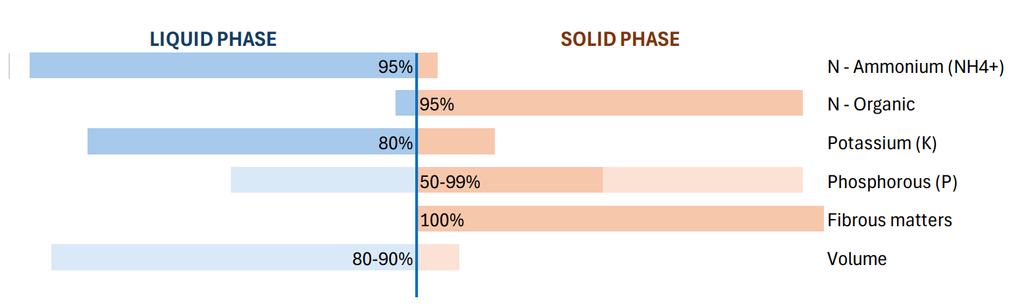
Most AD plants split digestate into two: a liquid fraction, which behaves a bit like a concentrated slurry high in nitrogen and potassium, and a solid fraction, which is richer in phosphorus and acts more like a compost.
Homegrown fertiliser
The closure of the straits of Hormuz in the Middle East has made clear what happens when the global supply chain gets disrupted.
Prices can increase significantly, and for many farmers it was the single biggest hit to their input costs in years.
The BIP report outlines that when chemical fertiliser becomes expensive or hard to get, locally produced digestate becomes a much more attractive proposition.
For farms that supply feedstock to an AD plant, the model that is already emerging in Ireland is a straightforward exchange: you bring in the grass silage or slurry, and the digestate comes back to your land.
Biomethane programme manager at GNI, Padraig Fleming said this circular dynamic is central to how the industry needs to develop:
"The biomethane conversation in Ireland has rightly focused on energy on what the grid needs, on what farmers can earn.
"But the digestate piece is the other half of the equation. Nutrients leave the farm as feedstock and come back to the land as digestate.
"Done well, that reduces your dependence on imported fertiliser, saves money, and fits neatly within the sustainability direction that food companies and retailers are pushing their suppliers towards."
Helping farmers comply with regulation
For many Irish livestock farmers, complying with the requirements of the Nitrates Action Programme is a top priority.
As a result farmers are keen to find options that reduce the volume of slurry that needs to be managed on-farm.
Biomethane plants processing agricultural waste offer one such option.
By supplying slurry as feedstock to a nearby AD facility, a farmer reduces the volume of material they need to store and spread while also receiving digestate back - potentially in liquid or solid separated form - which is easier to manage and allows more precise application than raw slurry.
The BIP report notes that digestate, when applied using appropriate low-emission spreading equipment (LESS), results in significantly lower ammonia emissions than untreated slurry.
It's a circular system that works for the farmer and for the environment.
Visit the Gas Networks Ireland website if you want to know more about its work to gradually replace natural gas with renewable biomethane and deliver a net-zero carbon gas network by 2045.
Sponsored by