Dairy Focus: From 80 to 250 cows in Co. Cork

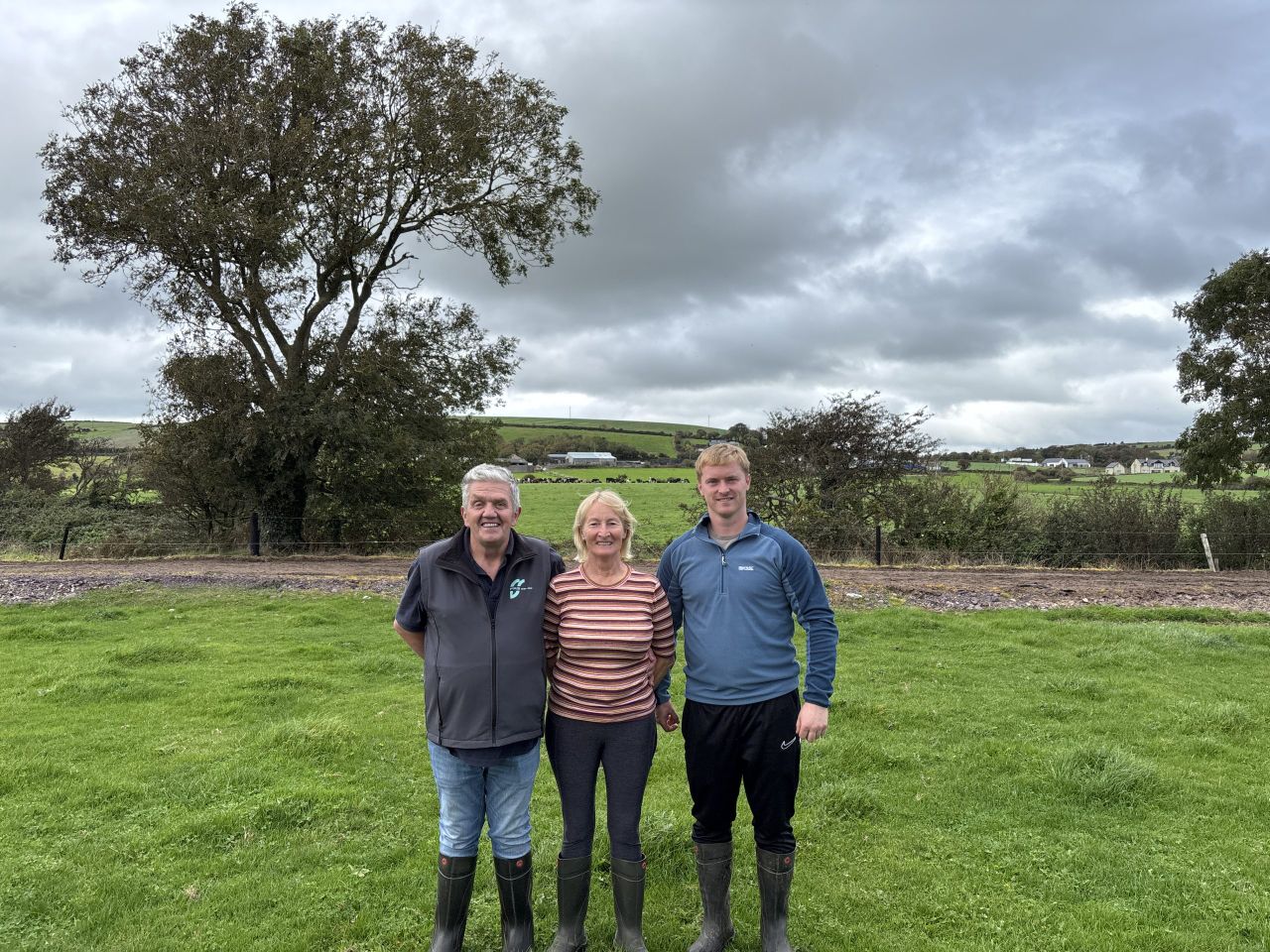
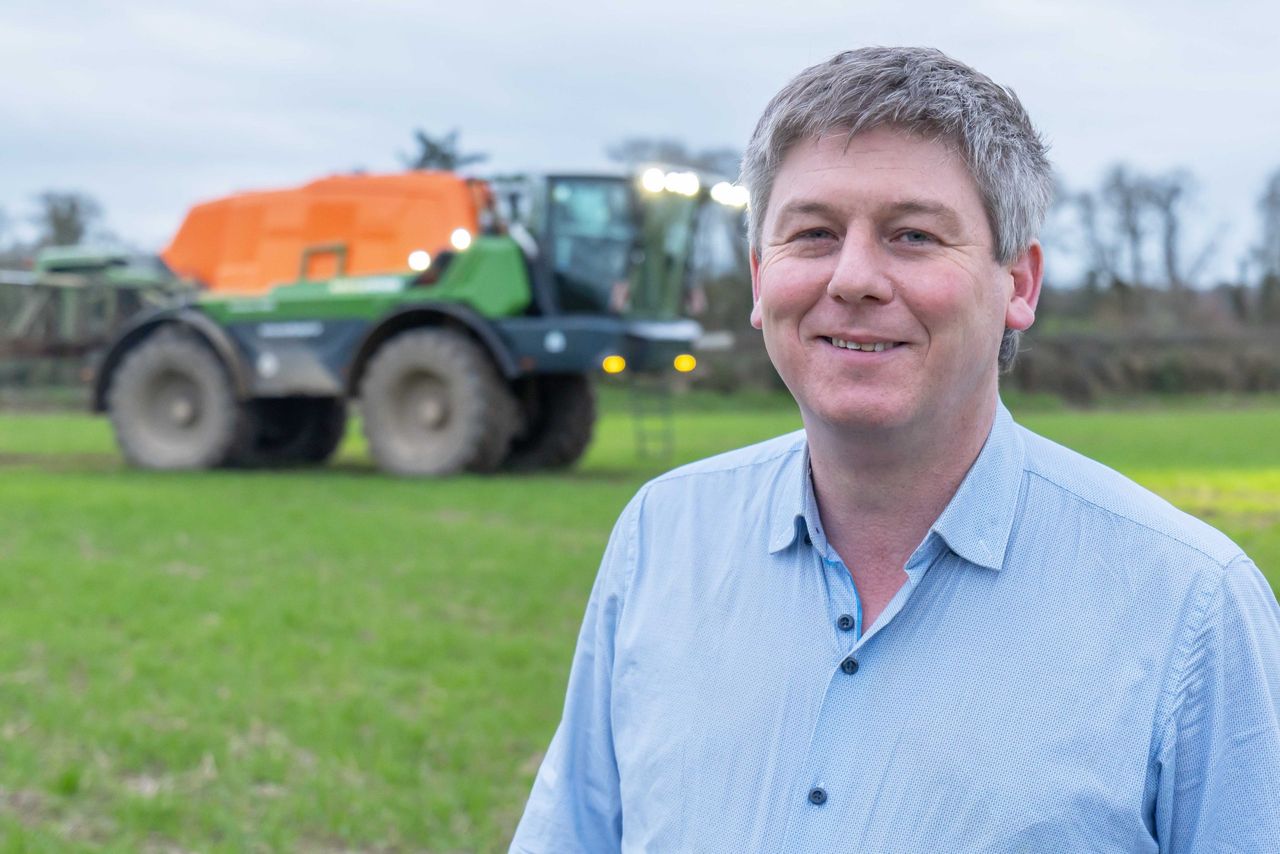
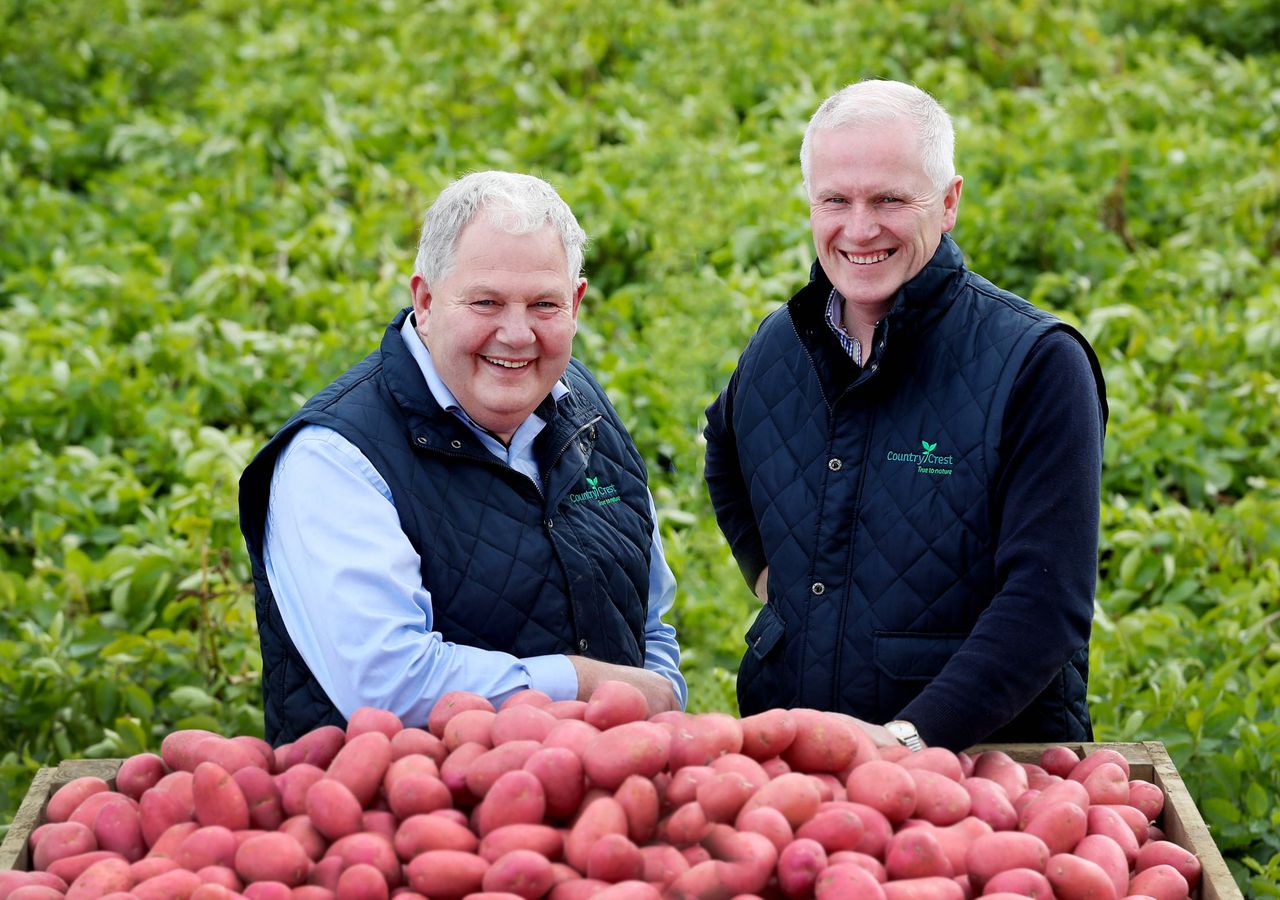
John Dunne is milking 250 cows in partnership with wife Noreen and their son Billy alongside the Atlantic coast in Ladysbridge, Co. Cork.
But just over a decade ago, John and Noreen were milking 75 cows through a 12-unit parlour.
When a block of tillage land came up for lease bounding the Dunnes' farm, John had to go for it, a move which would ultimately kickstart the farm's road to expansion.
In 2019, Billy came home from college in Clonakility with a strong desire to go farming, and a partnership was formed.
Opportunities happened to fall into place, and with hard graft the farm grew by 77ac and over 100 cows in just seven years.
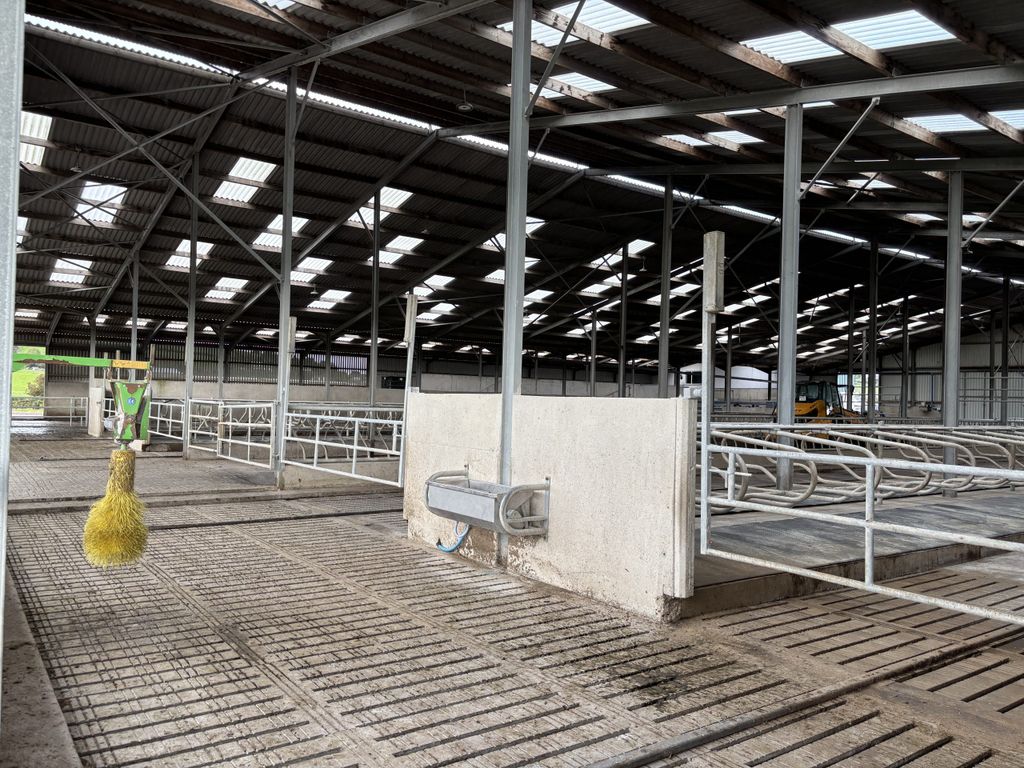
With the rapid expansion in the herd, the farm needed heavy investment, which is still felt in the finances today.
The Dunnes began work in 2021, laying the groundwork for a new 26-unit Dairymaster parlour, handling facilities, and a cubicle house.
John feels to make the investments worth it, they need to be do the best they can with their farm and herd.
The farm is part of the new Teagasc and Dairygold joint programme, and hosted the programmes inaugural farm walk recently.
Farm production
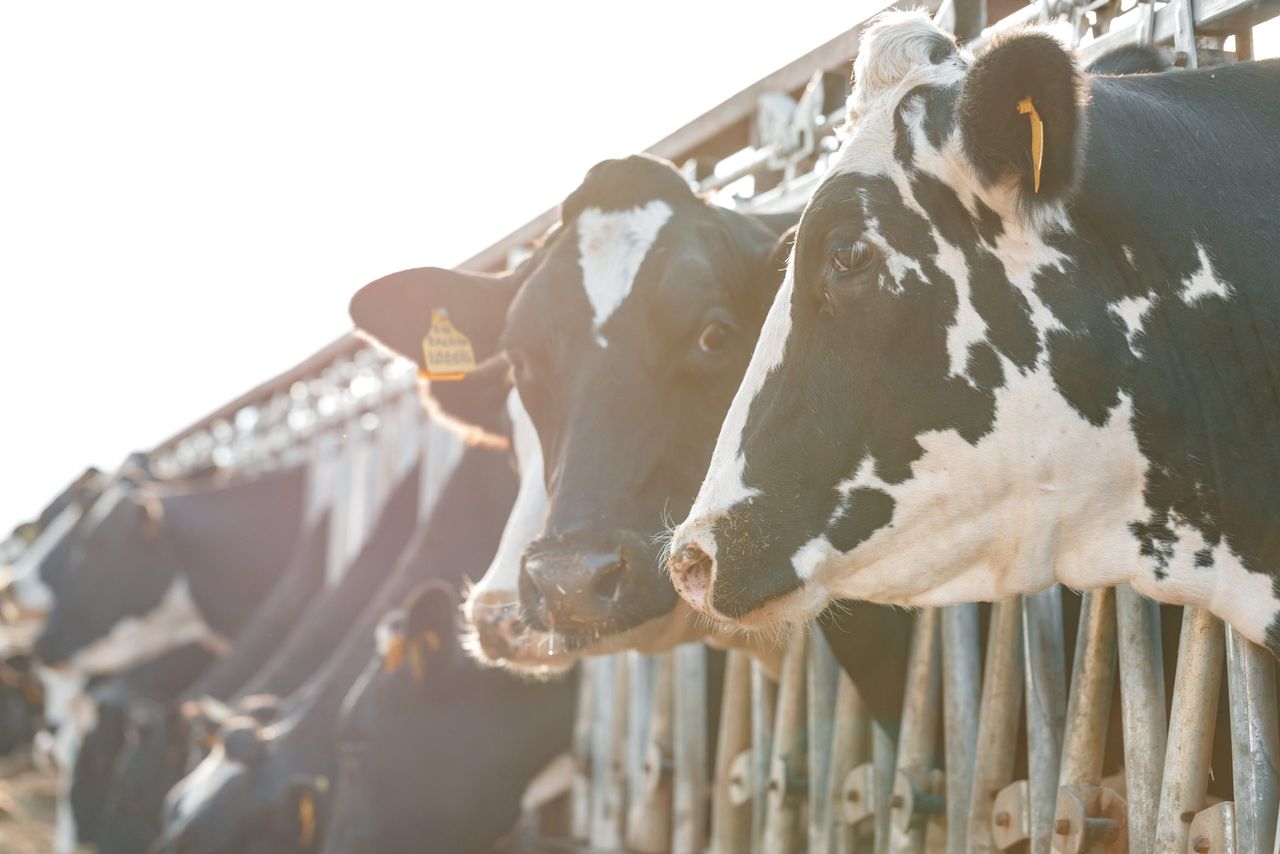
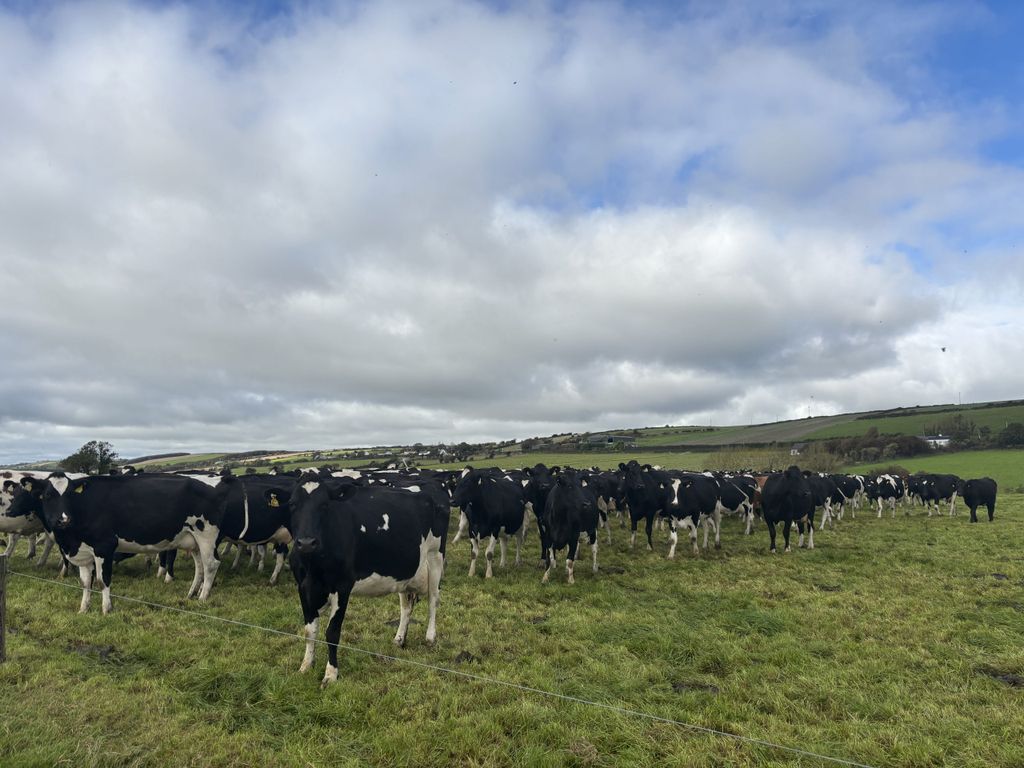
The herd is the majority Holstein Friesian, although there is a touch of dairy Shorthorn sprinkled in.
In 2025, the herd produced 520kg of milk solids at 4.22% fat and 3.67% protein.
As it stands, the herd is yielding 16.8L/cow/day at 5.05% fat and 4.16% protein, equating to 1.59kg of milk solids per cow per day.
To achieve this strong output, hard work has gone into breeding, with the herd's Economic Breeding Index now standing at €168.
Though with first lactation cows having an EBI of €173, 2025 calves at €196, and 2026 calves at €202, the herd's overall EBI is expected to increase rapidly over the next few years.
Calving starts mid-January, with 80% calved now in six weeks and the season wrapped up in 13 and a half weeks.
The Dunnes achieved an empty rate of just 9% this year, alongside a replacement rate of 21%.
Breeding begins towards the end of April, with the Dunnes using 100% artificial insemination (AI).
Grass production
The 85.5ha milking platform is stocked at 2.91 LU/ha, while the whole farm's stocking rate comes in at 2.30 LU/ha.
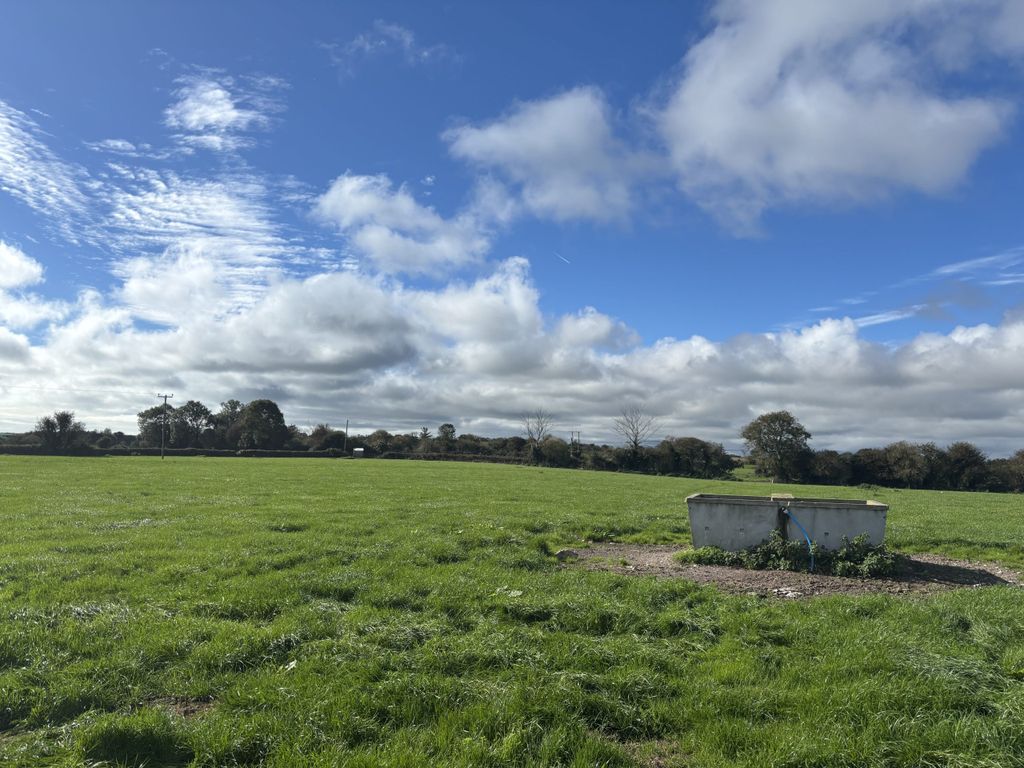
Heavy investment has gone into all the new land taken on, with multiple access gaps, water systems, and a roadway network installed.
This helps the Dunnes keep cows out at grass in the shoulders of the year, maximising milk production and profits.
With an influx of grass at the start of October, the Dunnes began utilising strip wires to hit their graze-out targets in an average farm of 1,210kg DM/ha.
Strip wires had never been used on the farm before, with both John and Billy feeling they were more hassle than what they were worth.
However, the programme adviser recommended using them this autumn, and the pair are happy with the results so far.
They had no desire to take paddocks out for surplus bales in the autumn, as there is plenty of fodder in the yard and the dry ground lets the herd stay out late.
But this grass is not always there; like many, the farm was hit hard with this year's drought - but the Dunnes were well prepared.
Droughts are common on the farm, with three last year alone.
To combat that, the farm harvested its first cut of silage back in the first week of May and got in earlier with the second cut, allowing them to carry higher covers through the start of the drought, and having high quality winter feed secured.
The Dunnes also purchased grass at the start of the drought, which was zero grazed and brought back to the farm.
As the drought advanced, the cows then went in full-time from the middle of August to the first week of September, as there was plenty of feed in the yard and virtually no grass in the fields.
Another way the farm combats drought is by having optimal soil fertility, allowing them maximise grass growth for the rest of the year.
63% of the farm has a pH above 6.2, alongside index 3 or 4 for both phosphorus (P) and potassium (K).
However, when broken down, 90% of the farm is above 6.2 pH; 95% of the farm is above index 3 for P; and 75% of the farm is above index 3 for K.
The farm also buys in approximately 110t/DM of maize for winter feeding, which has left their winter fodder budget with a 133t surplus for a five-month winter.