'We should see ourselves as a dairy and nutrition industry'

The Irish dairy industry is seeing a “huge opportunity” in changing nutrition trends from both a farming and processing perspective.
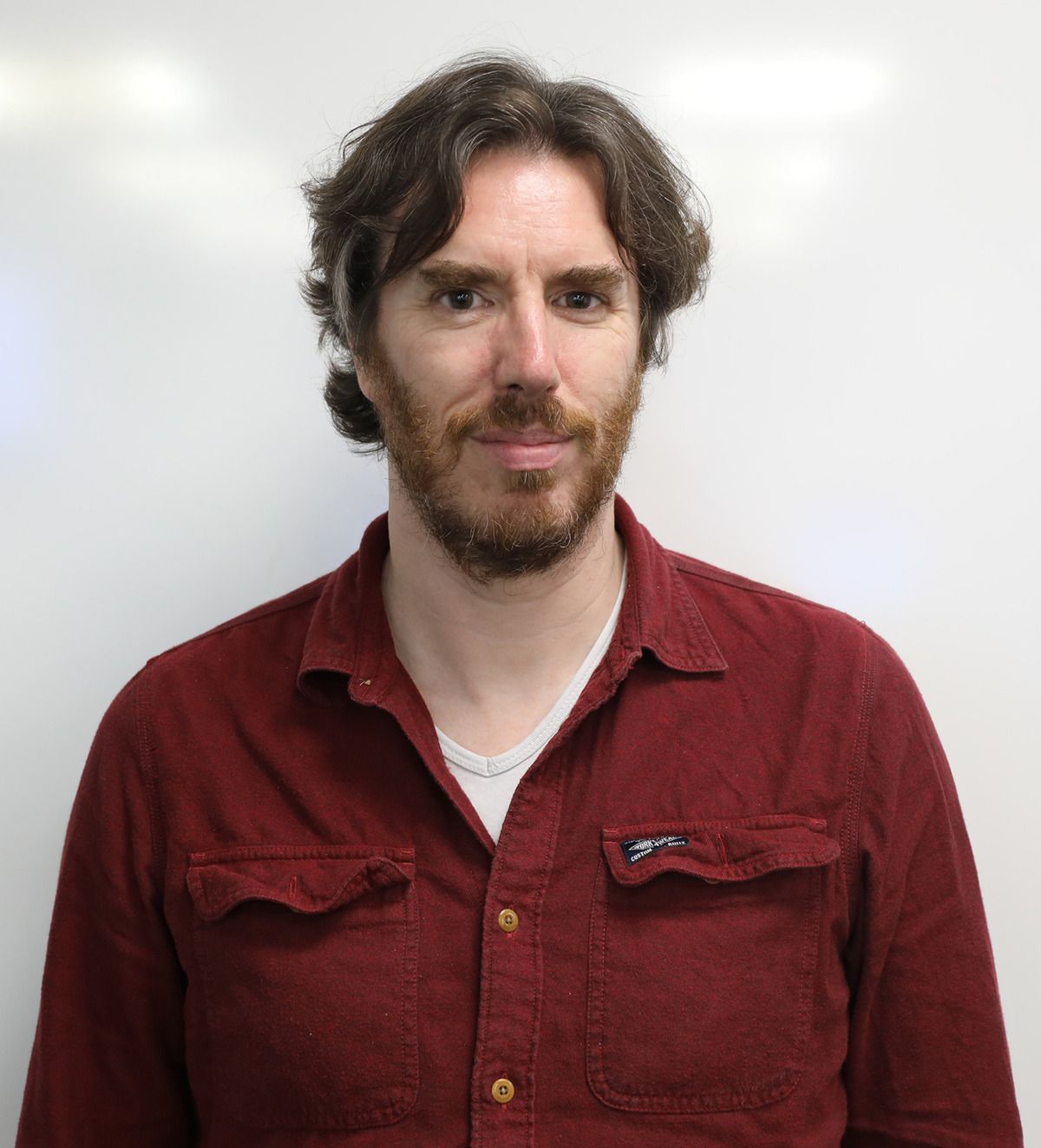
That is according to Conor Mulvihill, director of Dairy Industry Ireland (DII), which today (October 5) was hosting a briefing for dairy stakeholders on the outcomes of the four-year European Excellence in Dairy Learning (EEDL) Project.
Attendees were shown a suite of tools designed to benefit Irish agri-businesses, including ready-to-use online upskilling and training resources.
Mulvihill told Agriland at the event: “Today was kind of culmination of a project we've been involved in for the last four years."
The EEDL has been co-funded by the EU with a range of partners across Ireland and Europe.
The briefing event, which took place at Ibec headquarters in Dublin, is intended to act as a training framework for the next generation of talent within the dairy and nutrition sector.
Generational renewal
Mulvihill said: “There is a crisis there as we know from our farming side in terms of generation renewal.
“That exact same crisis is happening in the processing industry.”
He added that Ireland’s dairy industry are global players, calling companies like Kerry, Glanbia, Tirlan, Kinisla, Dairygold, Lakeland and Aurivo the “Googles of rural Ireland”.
According to Mulvihill, Ireland needs to ensure that “the right skill sets are there".
He added: “On top of that general regeneration renewal issue, there's actually an added complication or opportunity of a rapidly changing industry and we're seeing it in front of us.
“For years, fats in dairy was what kept the milk price in Ireland up and we saw a huge success in that in terms of the Kerrygold, or cheeses, etc.
“But we all just need to walk into any supermarket, not just in Ireland but globally, to see this protein revolution and a revolution that ain't going away in terms of what we're seeing in GLP-1s, and other technologies and functional foods like sports nutrition and gluten-free.”
Mulvihill expressed concern about “getting the skill sets into our processing facilities" that can take advantage of the changes to the industry.
However, he added that changes in consumer habits also represent “a huge opportunity”.
“We have a really economically successful dairy processing industry and dairy processing sector with magnificent farmers supplying it.
“But there's dangers here and I think the skills agenda is something we need to grip," the DII director said.
Dairy and farming
Mulvihill described dairy farming and processing as “symbiotic”.
“We depend on each other,” he said.
“You'd have arguments about farmers or farming organisations saying: ‘Why aren't you paying us more for our produce?’
“They're valid arguments to have but there is no farming industry without an industry to sell on and to create the products.
“Our challenge is to add value for that milk to make the return for the farmers so they're viable back on the supply chain.”
The changing face of the nutrition industry is playing a big part in dairy, according to Mulvihill.
He explained: “We should no longer see ourselves as a dairy industry.
"We should see ourselves as a dairy and nutrition industry, because what our farmers are producing this morning in Ireland today is going into medical products; is keeping people alive in nursing homes and hospitals; it's keeping athletes going in Olympics.”
He added that it also provides "conventional” and “affordable” nutrition.
“So, the cross-functional nature of dairy is unbelievable.”
Mulvihill hopes the dairy industry will maintain “the same success that we've had for the last 30, 40 years into 2035, into 2045”.