Pre-emergence herbicides key to winter barley and wheat weed control

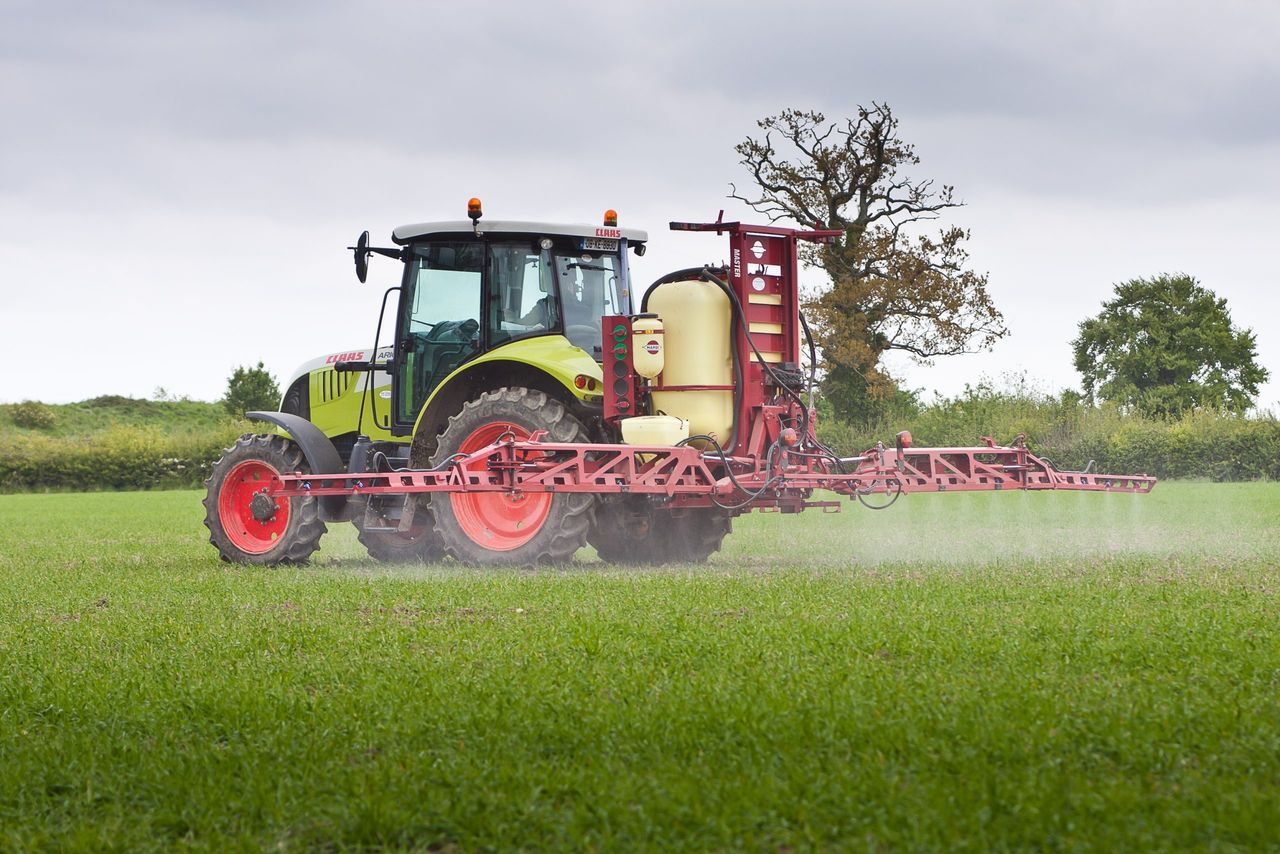
Pre-emergence herbicides can provide the best opportunity to control grass weeds in winter wheat and barley, according to Teagasc.
This control is achieved by reducing early competition and dependence on post-emergence treatments.
The increasing use of pre-emergence herbicides by tillage farmers reflects a greater awareness of the threat posed by grass weeds and herbicide resistance.
Pre-emergence herbicides have an important role in resistance management by reducing reliance on post-emergence chemistry where most of the resistance issues are.
Getting control right from the start is particularly important in winter barley, where options for controlling established grass weeds are limited.
Application
Growers should plan the herbicide application as part of the drilling programme.
They should aim to apply at true pre-emergence, ideally within 24-48 hours of sowing.
Fields to be prioritised are those with with a history of grass weeds, early sown crops and land where travelling later in the autumn may be difficult.
Where blackgrass, Italian ryegrass or brome are present, pre-emergence treatment should form the foundation of a planned control programme.
A follow-up treatment may still be necessary.
Seedbeds
Residual herbicides work best on a fine, firm seedbed with adequate soil moisture.
Large clods and uneven seedbeds reduce weed control, while dry conditions can limit herbicide activity.
Farmers should also ensure that seed is fully covered and drilling slots are closed. A minimum of 2-3cm soil cover is required.

Meanwhile, it is very much a case of not applying herbicides when heavy rainfall is forecasted.
Slight crop effects, including leaf whitening or bleaching, can occur following the application of some pre-emergence herbicides and this will be more noticeable on overlaps and headlands.
Symptoms are temporary and recovery depends on growing conditions.
Options
Pre- emergence herbicide options include prosulfocarb, such as Defy, and pendimethalin, such as Stomp.
Combination products include Tower, containing pendimethalin, diflufenican (DFF), and chlorotoluron; Mateno Duo, containing aclonifen and DFF; and Flight, containing pendimethalin and picolinafen.
Growers should check pesticide stores for products containing flufenacet, for example; Firebird, Navigate, Griffen, Naceto and Reliance etc.
The deadline for application is December 10, after which product use is illegal.
Weather and ground conditions for planting look set to remain very good over the coming days.
This is despite the fact that periods of changeable weather are forecast through the middle part of the week
Met Éireann is forecasting high pressure to build ahead of the weekend.