Managing silage effluent this winter

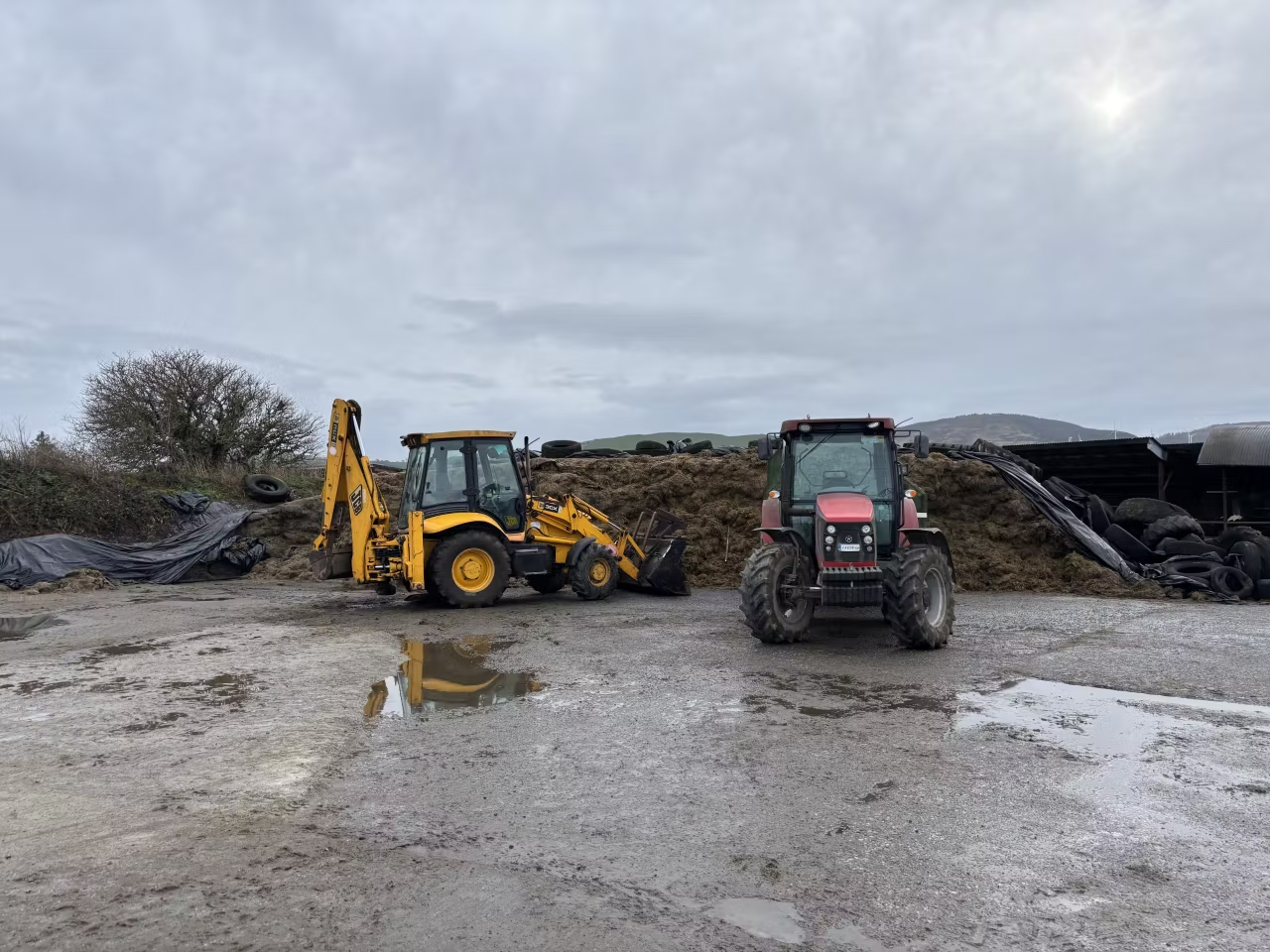
A lot of this year's silage may have been cut in less than favourable conditions, meaning the management of silage effluent will need to be on point this winter.
The weather was unpredictable early in the year, meaning a good shot of early crops came in relatively wet.
Then we had nothing but sun for a couple of months, which left farms cutting late crops right into late September, again some of which are coming into the yard wetter than desired.
Studies suggest that grass harvested at 18% dry matter (DM) generally produces up to 150L of effluent per tonne.
Meanwhile, grass which is harvested at 25% DM will only produce approximately 25L of effluent per tonne.
Over the course of September, PastureBase Ireland has recorded dry matter percentages as high as 24%, but also as low as 12%, suggesting that there will be additional effluent in some yards this winter.
Silage effluent
Teagasc's farm building and infrastructure specialist, Tom Fallon, recently highlighted the issue with silage effluent.
He said it has a biochemical oxygen demand (BOD) of 80,000 mg/L.
In comparison, cattle slurry has a BOD of 18,000 mg/L, while soiled water requires less than 2,500 mg/L and less than 1% dry matter.
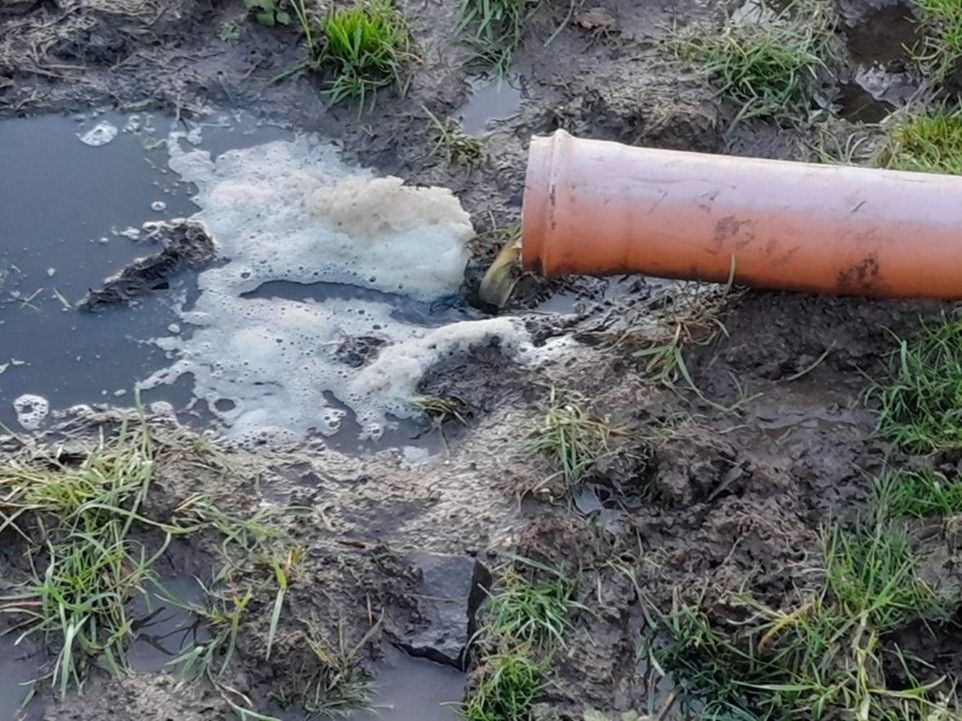
This highlights how polluting effluent is, and the damage it can cause to water courses if it finds its way to them.
Fallon feels a lot of the issues in effluent management lays in silage pits getting 'too high'.
There is a lot of farms who expanded in herd size over the last decade, with investments struggling to catch up.
When the herd size increased, farmers had to invest in upgrades to parlours, storage, slurry space, roads, and maybe even additional land.
That left the silage pit at the bottom of the investment list, and left contractors getting closer and closer to pilots, as the same pit as the 1990s was now feeding far more cows, and the only place for grass to go was up.
Fallon noticed that as silage pits get higher, they become harder to roll and compact and ultimately lead to increased wastage, as well as posing a risk for machinery operators and people covering/un-covering the pit.
As increased wastage builds up on the farm, the risk of pollutants such as effluents making their way to water courses increases, undermining the efforts put in by farmers throughout the year in regard to buffer zones and other measures.
Management
When it comes to effluent management, one of the main places to start is looking at your own pit and asking yourself: is it too big?
According to Fallon, the ideal height for a settled silage pit excluding the ramp, is 2.1m to 2.4m - however, large herds can push up to 3m.
Fallon noted that there is usually a reduction of 1.2m from the original fill height of fresh grass, so it is important for farmers and contractors to account for that, and tighten the cover according.
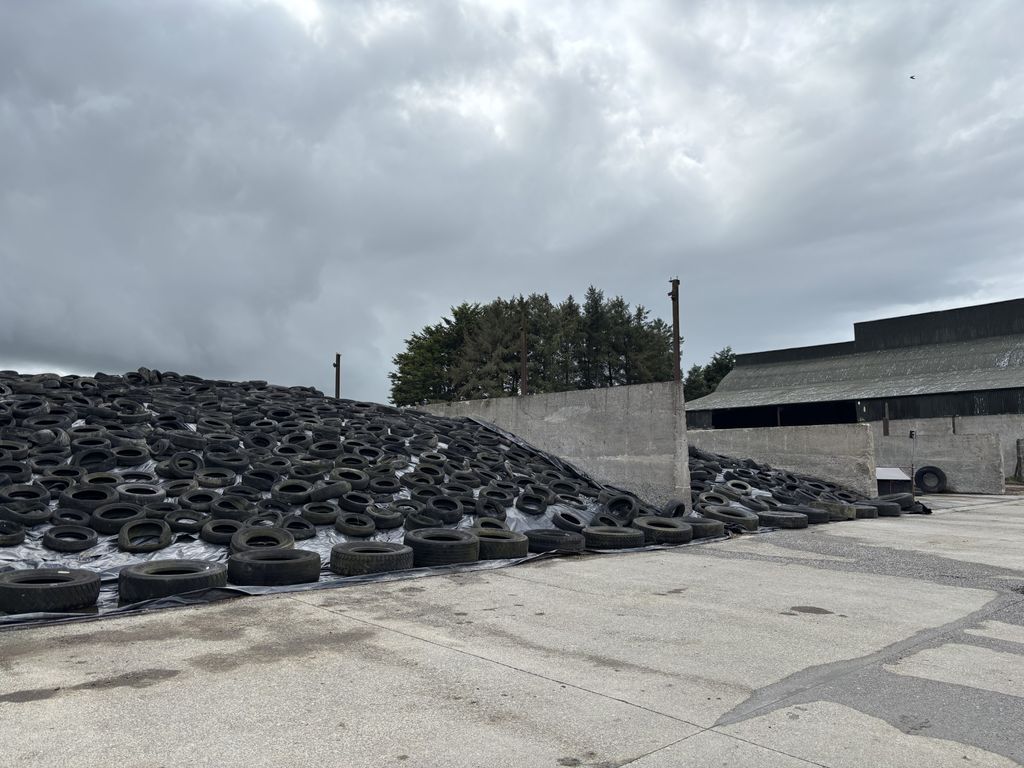
Every silage pit or bale pad should have effluent channels installed to direct any run-off to its own storage tank.
It is important to ensure these have been cleaned out after the pit has being filled, and ensure they are clear from obstructions for the rest of the winter.
Each year before silage pits are used, a thorough inspection should take place to ensure that the walls and floor are free from cracks through which effluent could escape.
Those who make silage bales rather than pits should have pads with effluent channels and adequate storage; if not, bales cannot be stacked more than two high.
Try to keep bale storage at least 20m from surface waters, and if stored in a field, keep them close to a gate to prevent excessive damage to the ground.
Fallon added that every farmer should have a farmyard manure store for waste silage.
He also encouraged farmers to regularly clean the pit and yard with a tractor-mounted brush and bucket.