Proposal to direct CBAM revenues to farmers 'a sticking plaster'

A proposal tabled by the European Parliament to direct a portion of revenue from the Carbon Border Adjustment Mechanism (CBAM) to support farmers has been slammed as "little more than a sticking plaster".
Earlier this month the parliament voted narrowly to scrap a proposed safeguard that would have removed fertiliser from the scope of the measure in exceptional circumstances that could harm EU markets and push prices too high.
The parliament instead proposed a new mechanism under CBAM that would temporarily redirect revenues from the measure (which requires importers of fertiliser and other products to purchase certificates) from the goods concerned to the affected sectors.
The removal of the safeguard mechanism has been slammed by Copa Cogeca, the EU umbrella group of farm organisations (of which the Irish Farmers' Association is a member).
Copa called the decision to scrap the safeguard "simply incomprehensible", particularly at a time when fertiliser prices remain high and geopolitical tensions are putting pressure on energy and fertiliser markets.
"European farmers are already facing a highly difficult economic situation, with rising input costs, weather-related losses and growing uncertainty on international markets," Copa said.
The farm organisation said these farmers "need answers" from the EU institutions and "a positive signal as we enter the next production season".
According to Copa, the deletion of the safeguard "leaves farmers fully exposed to the additional costs generated" by CBAM.
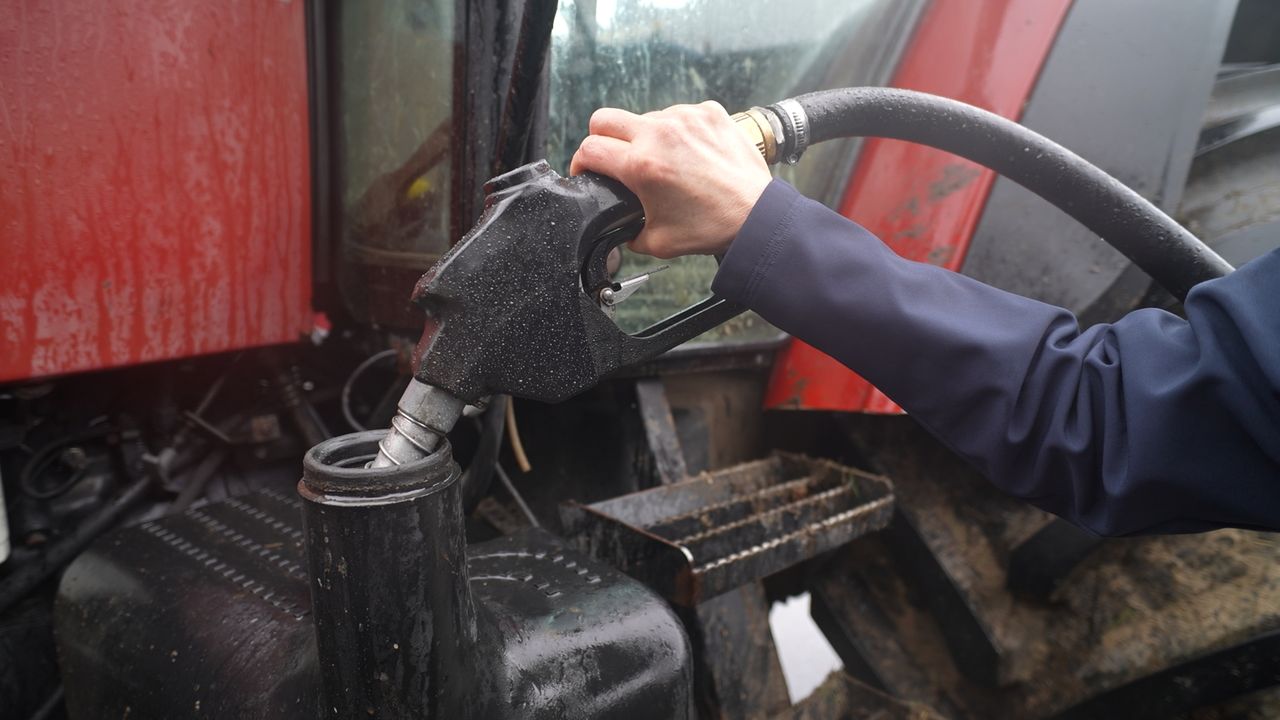
"This is particularly alarming given that fertilisers are among the largest input costs for European agriculture and, for many arable farmers, represent their single biggest production expense," the group said in a statement.
"Without the possibility of suspending the mechanism during severe market disruptions, CBAM risks exacerbating the crisis rather than cushioning its impact.
"This decision risks undermining Europe’s productive capacity and leaving farmers increasingly exposed in a market that remains far from transparent. Ultimately, the consequences will not stop at the farmgate: higher production costs will feed through to food prices and consumers," Copa said.
The farm organisation said the proposal to allow the European Commission to redirect CBAM revenues to support farmers in times of crisis "would be little more than a sticking plaster".
Copa noted that this proposed 'Temporary Decarbonisation Fund' is intended to last only two years, whereas CBAM is a permanent mechanism whose costs are expected to increase progressively until 2034.
"With the position adopted by parliament...and a Council position that offers little more, farmers have very few reasons to expect a meaningful solution from the upcoming...negotiations [between the parliament and council]," Copa said.
The group added: "European farmers and [agricultural co-operatives] cannot continue to be treated as the shock absorber of certain [EU] policies."