Opinion: High quality suckler calves reflect very essence of Irish agriculture

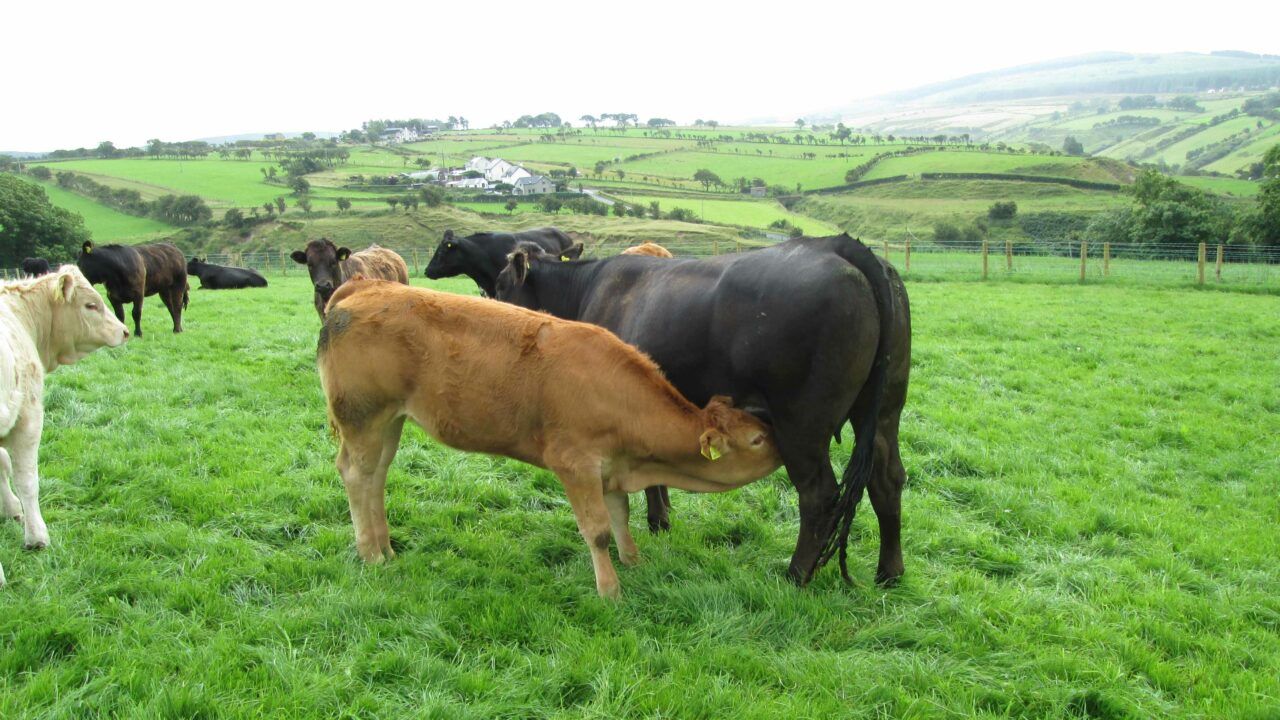
Thousands of spring-born suckler calves have been put through sale rings the length and breadth of Ireland over recent weeks.
And, no doubt, many more young weanlings will be sold throughout October and November.
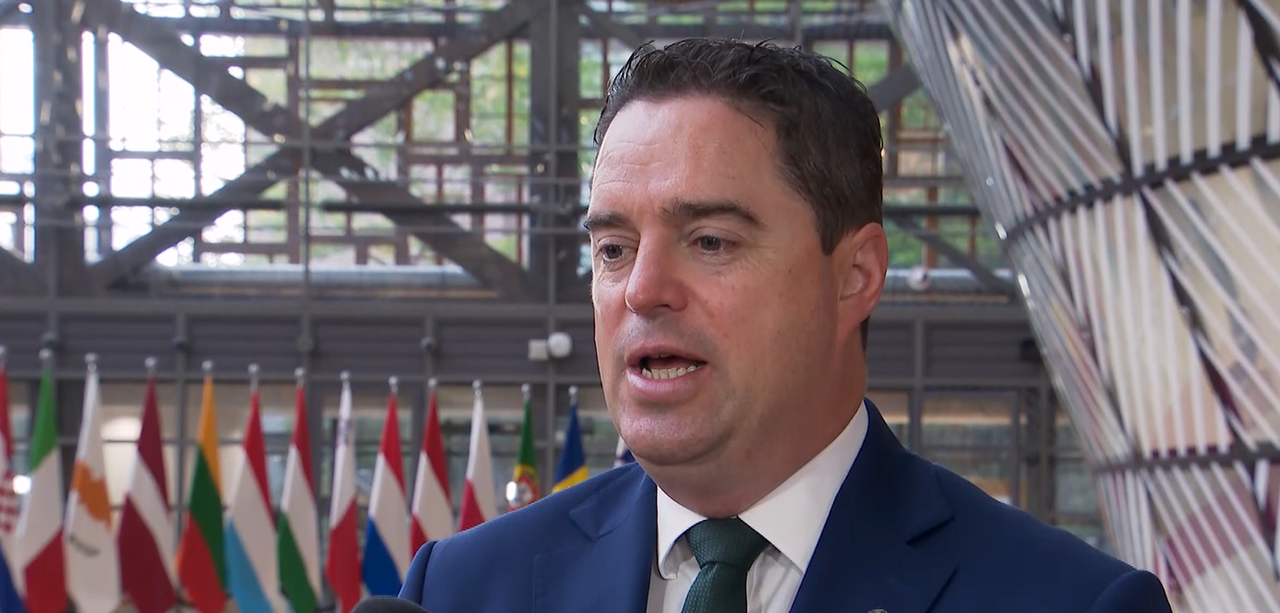
One of the most enlightened decisions taken during Charlie McConalogue’s tenure as agriculture minister was the introduction of the Beef Welfare Scheme.
At the heart of the support measure was the mandatory requirement to meal feed suckler calves both directly prior to weaning and the weeks thereafter.
The additional option of vaccinating stock has also contributed to the improved welfare and performance standards achieved on suckler farms across the country.
So, gone are the days when calves were removed from their mothers and sent directly to the sale yard.
It was a practice that stressed both cow and calf unduly.
Moreover, the implementation of the welfare support measure has ensured that the prevalence of pneumonia within batches of bought-in weanlings has dropped off to almost insignificant levels.
Suckler herd
Recent years have seen the likes of Teagasc profiling the role for dairy breed beef in Ireland. And, up to a point, this approach makes sense.
However, the reality remains that the quality beef required by Ireland’s red meat processing businesses will only be sourced form suckler-bred animals.
And, given this state of affairs, the need to further support the suckler sector is fundamentally obvious.
And we are looking at a two-stage process: maintaining the cows we have and, over a period of numbers, incentivising a controlled increase in the national suckler herd.
The market may provide a degree of incentive to make this happen. But there is also an onus on government to play its part.
And this can be fully justified in terms of the role suckler cows play in improving the conservation value of the land that they graze.
This is particularly so in upland areas where grazing control delivers key habitat goals.
And sucker cows and calves are key in this regard.
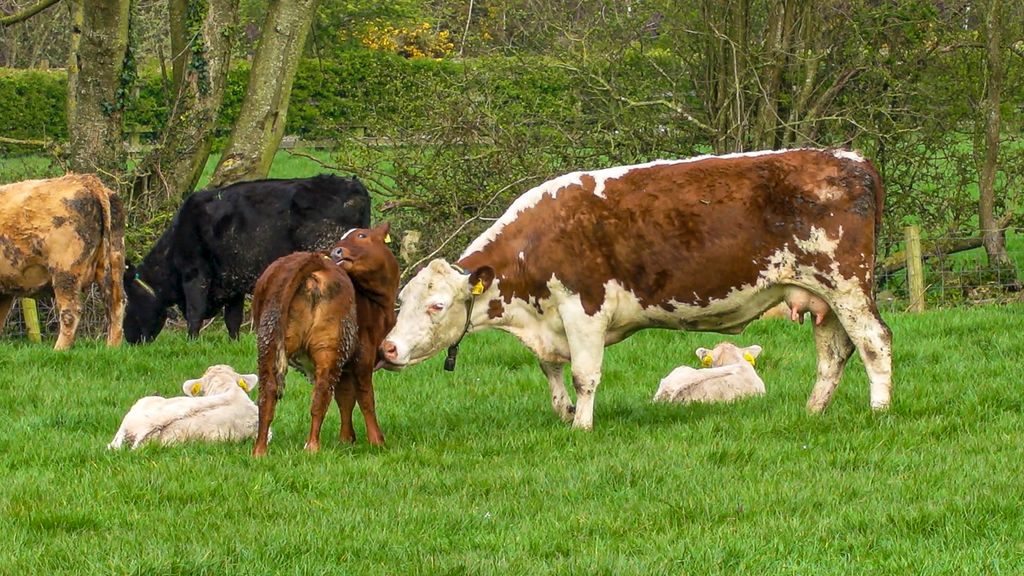
The argument to boost suckler cow numbers also holds up from a food security prospective.
Ruminants are uniquely capable of converting the grasses and other plant species growing on our hills into high quality animal protein.
The coming weeks will see a formal review of the Common Agricultural Policy undertaken.
It is imperative that the role of the suckler cow within Irish agriculture is fully realised in this context.