What was the average income on a dairy farm in 2025 and what were the costs?

The output value of dairy experienced a sharp rise in 2025 according to the final results of the National Farm Survey (NFS) from Teagasc.
According to the report published today (Monday, October 5) yje output value increased due to higher milk volumes, higher milkprices and higher cow and calf prices.
In relation to production costs for dairy farms in 2025, the survey indicates that while there was some change in individual cost items compared to the previous year, overall direct andoverhead costs were relatively stable at an elevated level.
There were 15,131 dairy farms represented in the NFS in2025, with an average family farm income (FFI) of €154,988, an increase of 43% year-on-year.
This is more or less close to the figures released by Teagasc during the summer when it published the preliminary findings of the NFS.
In this final report, Teagasc has indicated that the increase in FFI was driven by a strong jump in milk production and an overall year-on-year rise in the milk price (to an annual average of almost 54c/L actual fat and protein) despite a deterioration in monthly milk prices in the latter part of 2025.
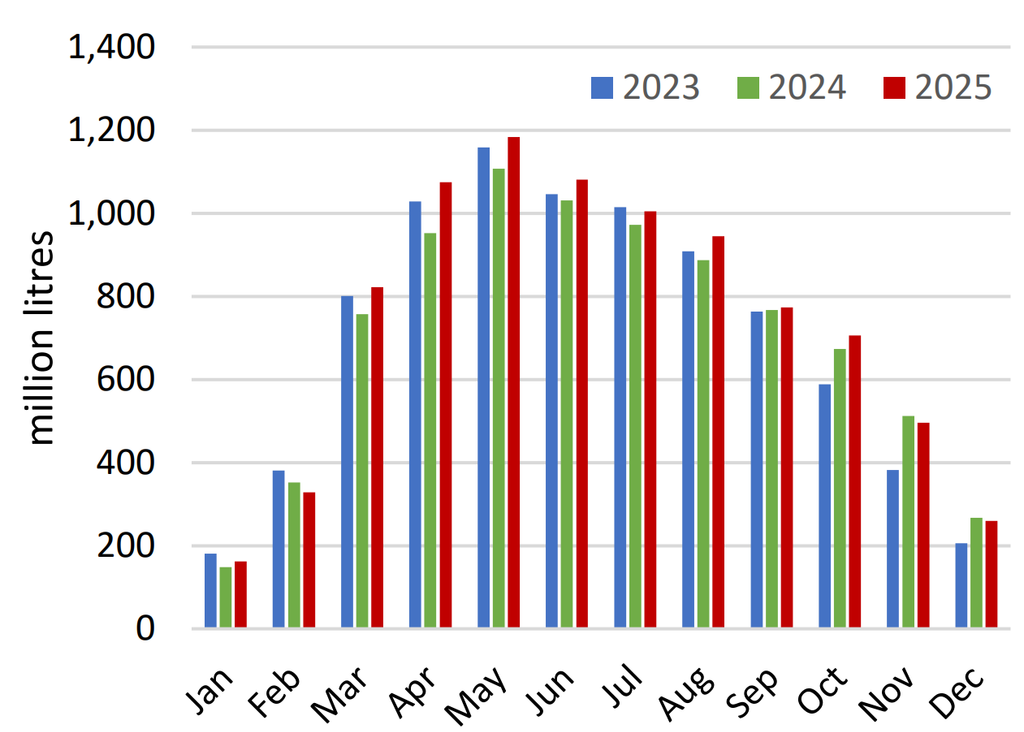
Generally favourable production conditions facilitated a yearly increase in Irish milk production of 4.8% in 2025.
Gross output typically increased by 14% relative to 2024 according to Teagasc.
Dairy farm incomes
The large increase in the proportion of farms reporting an average FFI above €100,000 in 2025 is apparent in the NFS, up 19% year-on-year, reaching 65% of the dairy farm population.
At the other end of the scale, the proportion of dairy farms with an FFI below €30,000 declined from 12% to 7% in 2025.
In 2025, 6% of dairy farms reported an average FFI of between €30,000 and €50,000, with a further 7% earning between €50,000 and €70,000 and 14% reporting an average FFI of between €70,000 and €100,000.
In 2025, approximately 45% of dairy farms were in the 50-100ha size category, with a further 26% in the 30-50ha bracket.
Smaller farms represented 12% of the dairy farm population, withthe remaining 17% in excess of 100ha.
Dairy farm costs
On the average dairy farm, total production costs were up by 2% year-on-year, with an increase in both direct and overhead costs (up 1% and 3% respectively).
Fertiliser prices increased in 2025, while feed prices remained relatively stable.
On the average dairy farm, with a herd size of 98 cows and a UAA (utilised agricultural area) of 70ha, purchased concentrate expenditure typically totalled €61,006 in 2025, a 2% decline on 2024.
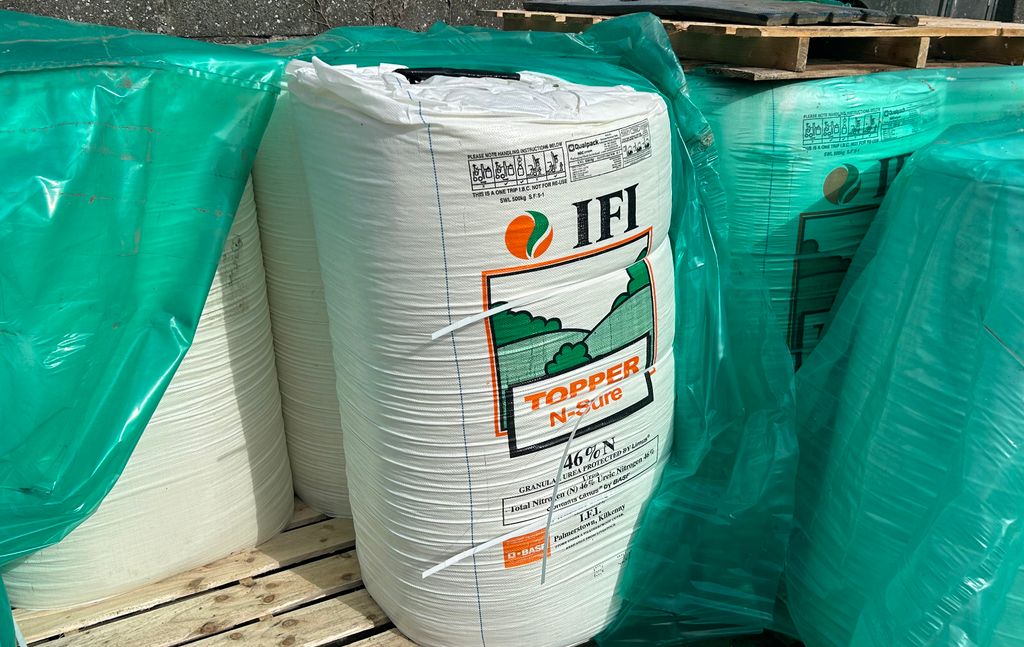
Feed volumes averaged 1,349kg per dairy cow in 2025; a decreasecompared to 2024.
That said, Teagasc has pointed out that feed use per cow on individual farms may differ considerably from the average level due to specific factors, such as location, land type, stocking rate and length of housing.
Meanwhile, average fertiliser expenditure increased by 12% in 2025 to €19,855 due to the increase in price.
Data from the NFS indicates that the volume of fertiliser use remained relatively stable in 2025 compared to 2024.
On average, machinery hire (contracting) expenditure increased by 6% in 2025 to €21,396, with livestock and veterinary costs up 9% to €19,088.
Other direct costs remained relatively stable on average in 2025 at €16,950.
Average dairy farm performance
On a per hectare basis, average milk production increased by 3% year-on-year to 11,526L.
This increase, alongside an improved milk price calf prices, resulted in an increase in gross output per hectare of 13% to €6,717 on average.
| 2025 | '25/'24 change | |
|---|---|---|
| Production litres/ha | 11,526 | +3% |
| Milk price c/L | 54 | +4% |
| Gross output €/ha | 6,717 | +13% |
| Direct costs €/ha | 2,332 | +1% |
| Gross margin €/ha | 4,385 | +20% |
On a per hectare basis, direct costs increased by 1% on average to €2,332.
Overall, this resulted in the average dairy gross margin per hectare increasing by 20% to €4,385 in 2025.
Dairy in 2025
In 2025, for the year as a whole, the gap between the average milk price received and the average cost of production widened.
The average milk price reported in the NFS in 2025 was 54c/L. The average cost of production was 35c/L.
However, Teagasc stressed in the survey that many farms will operate away from the average in terms of these metrics.
In terms of land rental, the data confirm that those dairy farms renting in land are typically larger than average.
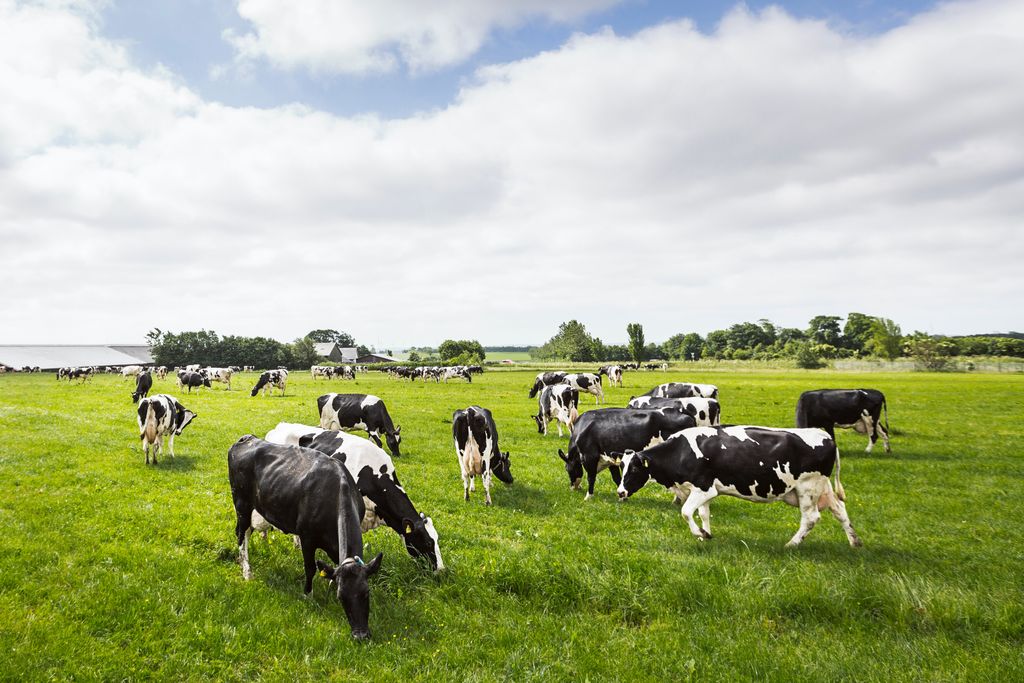
The average farm size for dairy farms renting land was 75ha in 2025.
Almost eight in 10 dairy farmers are renting in some land and that proportion has stabilised in recent years.
Meanwhile, at the same time, the proportion of tillage farmers renting in land decreased in 2025 compared to 2024.
Demand for rental area may be affected by factors such as year on-year price and weather volatility.