An insight into Barley Yellow Dwarf Virus tolerance

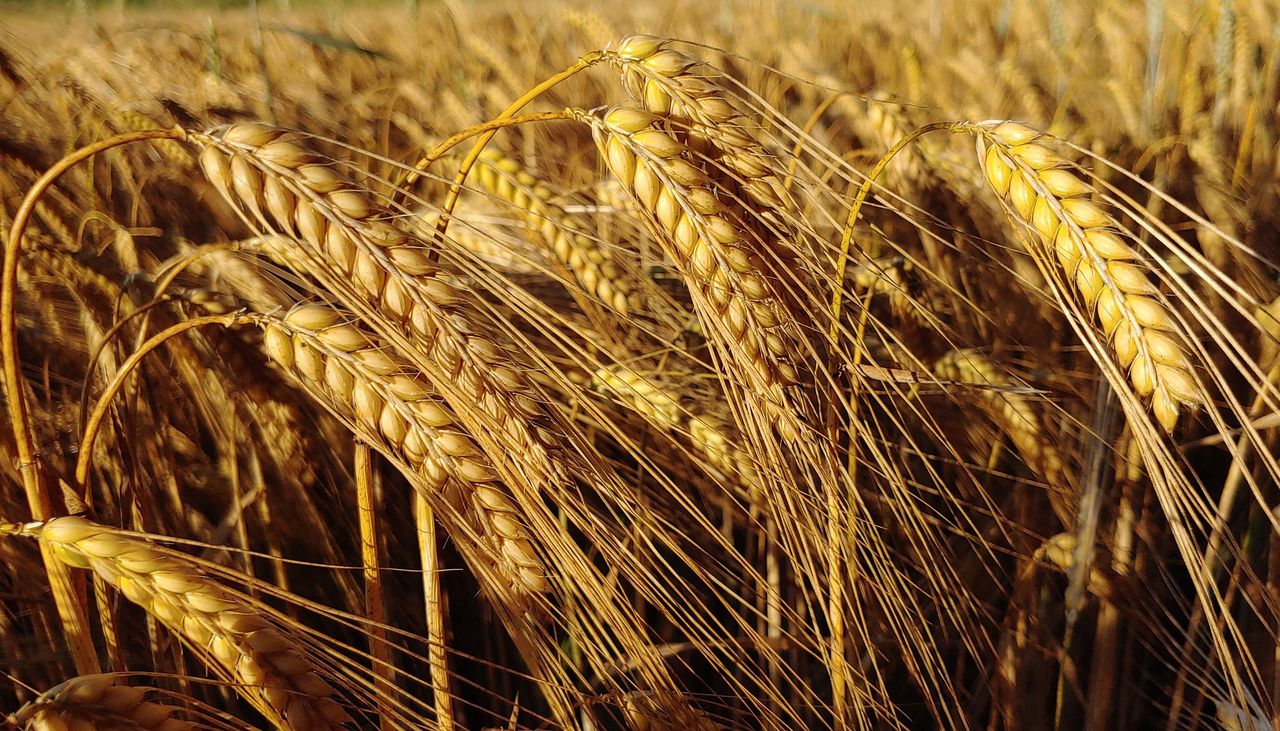
Winter barley varieties tolerant to Barley Yellow Dwarf Virus (BYDV) should be viewed as risk reducers only - they do not eliminate the threat of the disease.
This was one of the key themes discussed at the recent Crops’ Forum event by Teagasc entomologist, Dr Louise McNamara.
She commented: “There is great interest in tolerant and resistant varieties for the control of BYDV.
“But it is only one tool.
"If growers rely exclusively on one tool, it can potentially impact on the disease control plan.”
Sales figures confirm that 83% of the winter barley seed area under certification in Ireland in 2026 had tolerance or resistance to BYDV.
BYDV trials
Meanwhile, detailing validation trials are ongoing at the Teagasc Crops Research Centre, based at Oak Park in Co. Carlow.
Dr. McNamara indicated that many of these varieties would have been first tested in regions where the main species of the BYDV differs from that found in Ireland.
This work confirmed the present of three BYDV species in the trials with BYDV-MAV being the most frequent.
The other populations comprised combinations of BYDV-MAV with BYDV-PAS and/or BYDV-PAV.
Dr. McNamara stated:
“We need to know are these tolerant varieties effective against the prevalent species in Ireland.”
To qualify this, the entomologist referenced six trials carried out over four years using susceptible (without tolerance) and tolerant varieties and insecticide sprayed versus unsprayed treatments.
In the unsprayed plots, the susceptible varieties clearly showed higher levels of BYDV symptoms than the tolerant varieties.
However, the tolerant varieties did exhibit some BYDV symptoms, although these were markedly lower than those observed in the susceptible varieties.
Insecticide spray programmes clearly reduced the level of BYDV symptoms in susceptible varieties, the findings showed.
The programmes also reduced symptom levels in the tolerant varieties, although these varieties had lower levels of BYDV symptoms from the outset.
Yield performance
Dr. McNamara also used data from Teagasc research trials to compare the yield performance of tolerant and susceptible varieties in years with low, medium and high BYDV pressure.
At medium pressure, yield losses became apparent.
Susceptible varieties showed a marked yield difference between sprayed and unsprayed plots, with all susceptible varieties significantly benefiting from insecticide treatment.
The tolerant varieties produced higher yields overall, but there was less difference between sprayed and unsprayed plots, indicating that they gained less additional benefit from insecticide treatment.
Meanwhile, in a high-pressure year, susceptible varieties showed a significant yield response to insecticide treatment, with a large difference in yield between sprayed and unsprayed plots.
In contrast, there were no significant yield differences between sprayed and unsprayed plots for the tolerant winter barley varieties.