BYDV tolerance over-arching theme for 2027 winter barley recommended list

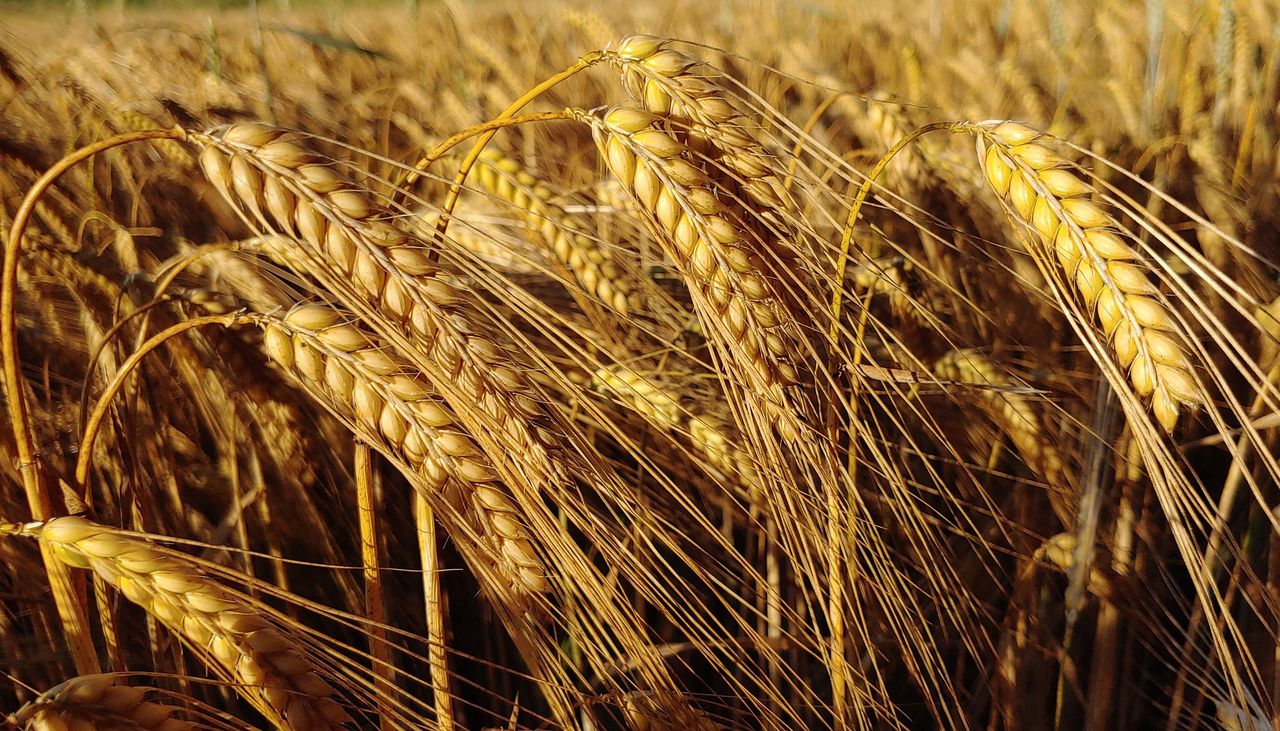
Barley Yellow Dwarf Virus (BYDV) tolerance is the overarching trait that defines the 2027 recommended grouping of winter barley options.
It is an outworking that had been widely predicted, given the direction of travel that has been followed by plant breeders over recent years.
The 2027 recommended winter barley list has just been published by the Department of Agriculture, Food and the Marine.
It features seven fully recommended and three provisionally recommended varieties.
For the purposes of comparison, relative varietal yields have been calculated as a percentage of the mean values recorded for KWS Joyau and KWS Tardis.
In other words, a 100 rating figure comes in at 9.85t/ha: the accompanying moisture level is 15%.
Fully recommended list
The fully recommended list contains a number of varieties that are now well known to Irish tillage farmers.
Integral
Integral has a relative yield of 103. It is very early maturing six-row variety with high yield potential.
The variety is characterised by a moderately short straw with good resistance to lodging and moderate resistance to straw breakdown.
It is moderately susceptible to mildew, rhynchosporium, and net blotch.
Integral has good resistance to brown rust. Grain quality and the breeder has a claim that this variety is tolerant to BYDV.
KWS Cassia
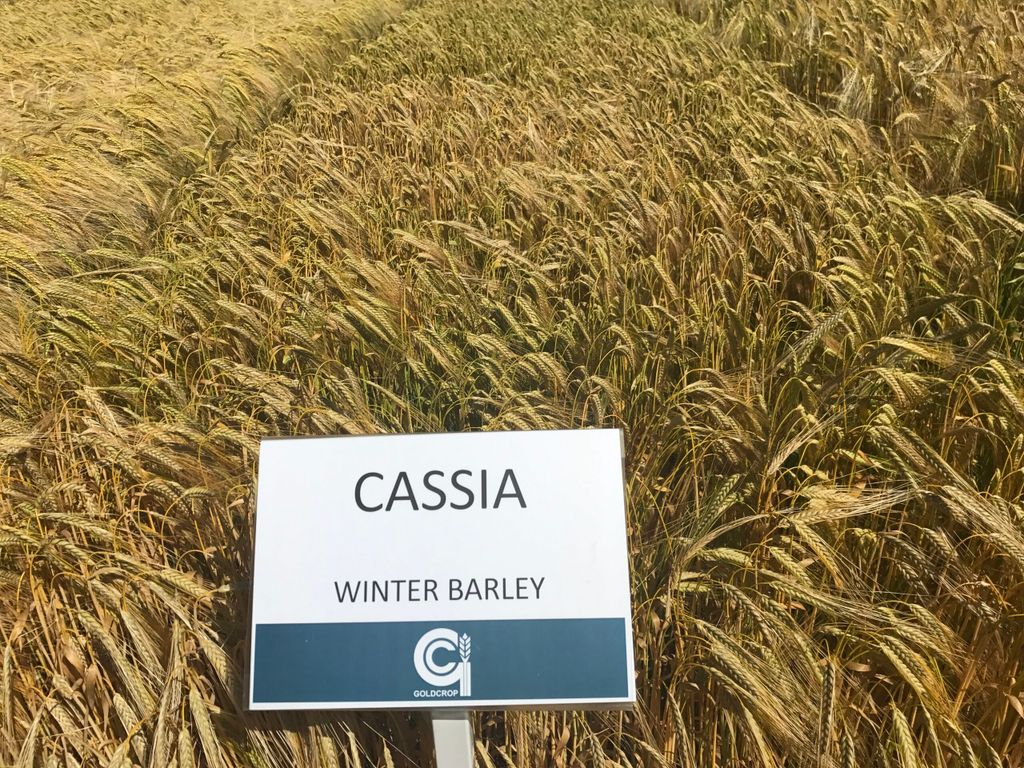
KWS Cassia has a relative yield figure of 92. It is a moderately early maturing two-row variety.
Short strawed, it demonstrates moderate resistance to lodging and is moderately susceptible to straw breakdown.
It is also moderately susceptible to mildew and rhynchosporium. In addition, the variety has good resistance to brown rust and net blotch: grain quality is very good.
KWS Joyau
KWS Joyau has a relative yield figure of 101. It is a very early maturing, conventional six-row variety with good yield potential.
Joyau is characterised by a moderately short straw length with good resistance to lodging and straw breakdown.
It is moderately susceptible to mildew and rhynchosporium. It demonstrates good resistance to brown rust and net blotch: grain quality is good.
The breeder has a claim that this variety is tolerant to BYDV.
KWS Tardis
KWS Tardis has a relative yield figure of 99. It is a moderately early maturing two-row variety with good yield potential.
Short strawed, it has good resistance to lodging and moderate resistance to straw breakdown.
The variety is moderately resistant to mildew and brown rust.
Tardis has good resistance to rhynchosporium and net blotch: grain quality is good.
Molly
Molly has a relative yield figure of 98. It is an early maturing two-row variety with good yield potential.
Molly has moderately short straw length with moderate susceptibility to lodging and straw breakdown.
It has very good resistance to mildew while demonstrating good resistance to brown rust, rhyncosporium and net blotch.
The breeder has a claim that this variety is tolerant to BYDV.
Orcade
Orcade has a relative yield value of 99. It is a moderately early maturing two-row variety with good yield potential.
The variety has a short straw and is moderately resistant to lodging and straw breakdown.
Orcade has good resistance to mildew, rhynchosporium and net blotch. It has very good resistance to brown rust.
The variety is characterised by its large grain size with very good grain quality.
The breeder has a claim that this variety is tolerant BYDV.
S Y Canyon
S Y Canyon has a relative yield figure of 105. It is an early maturing six-row hybrid variety with high yield potential.
The variety is characterised by its long straw length and moderate susceptibility to lodging and straw breakdown.
Canyon shows very good resistance to mildew and good resistance to brown rust.
It has moderate resistance to rhynchosporium and net blotch. Grain quality is very good.
The three provisionally recommended winter barley varieties for 2027 are: Littoral, Organa, and SY Kestrel.