Feed For Growth: Your Partner For Calf Performance
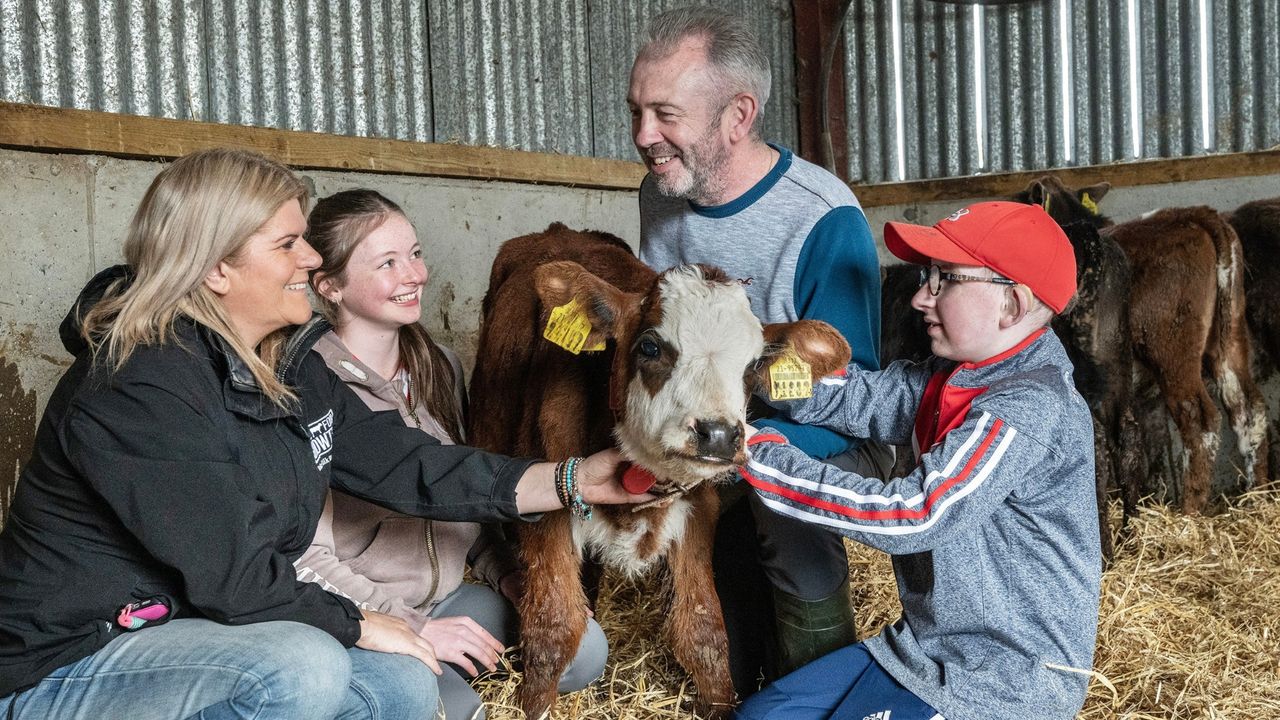
Farming outside Charleville while working full-time off-farm, he purchases 50 calves each spring for his calf-to-beef enterprise and also has eight suckler cows calving in June.
It is a busy operation, but one that runs smoothly thanks to good planning and consistent management.
Fergal explained: "It’s mostly a calf-to-beef system.
"We buy the calves at two or three weeks of age, buying direct from dairy farmers; a mix of Angus, Hereford, and Speckled Parks.
"We purchase a mix of bulls and heifers, bringing the heifers to finish, and sell the bullocks before the second winter."
All 50 calves are purchased from three farmers and arrive within a three-week window.
Buying from the same three dairy farms each year gives Fergal confidence in the calves arriving onto the farm.
Knowing their health status and how they have been managed before arrival helps reduce unnecessary challenges and allows calves to transition smoothly onto his own feeding programme.
Arrival and settling in
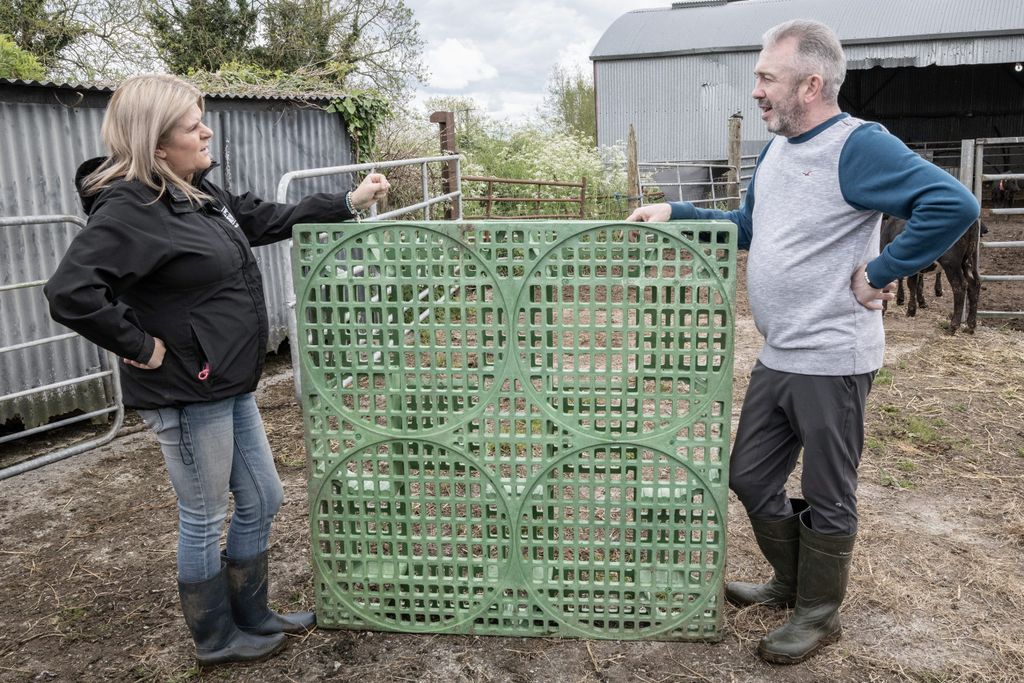
When calves arrive, Fergal splits them into two groups of 25 and houses them on straw laid over plastic pallets.
The slats create a clean, dry base for the calves while helping to keep bedding fresh.
At the end of each season, they are power washed, left outside over the winter and reused the following year, making them both practical and economical.
Hygiene is a priority from day one.
Fergal said: "Calves are cleaned out every day. We put the straw on top of the plastic pallets.
"It’s just as handy to take the dirty stuff out each day, not letting it build up."
Clean, dry bedding, combined with consistent nutrition, helps calves settle quickly, stay healthy and get off to the best possible start.
Supporting calves through the stress of transport is another priority.
Fergal feeds every calf Feed for Growth Gut Rest, mixed into milk replacer.
Containing electrolytes, linseed and pectins, it helps rehydrate calves and supports gut function during the stress of transport and settling into a new environment.
If a calf is slower to settle, Fergal continues to include Gut Rest until it is drinking and thriving.
"By the following morning, all the calves are settled in and drinking.
"We have no issues with calves taking to the automatic feeder," he added.
Feeding and management
Farming is very much a family affair for the Hanrahans. Fergal's wife, Gráinne, plays a huge role on the farm, while their children, Clíona and Olan, love helping to feed and care for the calves.
Senan and Jerry also lend a hand when needed, making calf rearing a real team effort and an enjoyable part of family life.
Consistency is central to Fergal's feeding programme. Using an automatic calf feeder allows every calf to receive the same high-quality nutrition every day while fitting around his off-farm job.
Calves receive 2L per feed across three feeds daily using Feed for Growth Olympian milk replacer.
"I work full time off the farm. When calves are on the feeder, I’m in the yard twice a day, morning and evening," he explained.
Being away from the yard does not mean Fergal is out of the loop, as he monitors the calves remotely through the automatic feeder and CCTV.
Lighting in the shed is also carefully managed. Sensor-operated lights switch on automatically whenever movement is detected, allowing calves to access the feeder throughout the night.
"I think it helps keep them settled and means they can feed whenever they want," Fergal said.
Remote monitoring gives Fergal added confidence while he's away from the yard.
Changes in feeding behaviour can often be spotted before they develop into bigger issues, providing an important setup and management tool for a part-time farmer.
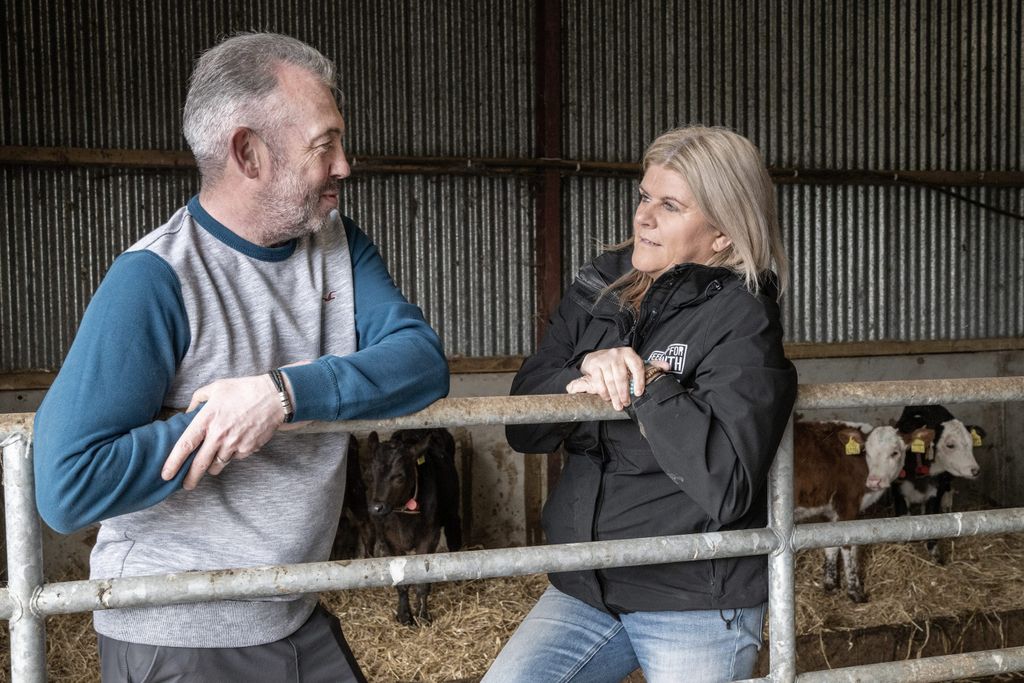
From day one, calves have access to hay or straw and concentrate.
As they grow and the weather improves, Fergal allows the calves access to a yard at the back of the calf shed, where they have access to good-quality silage.
Fergal’s input into the weaning process is minimal as the automatic feeder is set to wean calves gradually after eight weeks.
"The feeder is programmed, and calves don’t even know they’re being weaned," he said.
"We're weaning the calves at about eight weeks-of-age, and I’d like to see them eating at least 1kg of concentrate before that happens.’’
Upgrading the milk replacer
This spring was Fergal's first year using the updated Olympian milk replacer from Feed for Growth.
The reformulated product contains 22% protein, 20% fat and includes Progut a hydrolysed yeast designed to support gut health and enhance overall performance.
The results at weaning spoke for itself.
"I thought the calves at weaning had really good body condition, and looked fleshy with good coats.
"Throughout the eight weeks on the milk replacer, we had no issues with bloat and calves just thrived really well," Fergal noted.
For the calf-to-beef farmer, the decision to invest in a quality milk replacer was one he learned the hard way.
He explained: "Previous to using the Feed For Growth product, I used a cheaper product.
"It was really only a fool’s game, as I found you were trying to put condition on the calves after weaning.
"You’re better off buying the good milk replacer and keeping calves thriving. In the long run, it's probably cheaper."
Like many farmers, Fergal recognises the importance of investing in calf nutrition early rather than trying to make up lost performance later.
Health and the bigger picture
When it comes to calf health, Fergal takes a proactive approach. Calves are vaccinated for blackleg, and recently dung samples were taken and tested with the local vet.
"The test came back negative for worms, so we didn’t dose them yet, but we’ll follow up with another test in the next few weeks," he said.
Working closely with his vet, this targeted approach avoids unnecessary treatments, which is critical in today’s environment, where farmers seek to reduce antibiotic use and prevent the development of antibiotic resistance.
Looking ahead, Fergal is happy with the system he's built and knows there's scope to expand without fundamentally changing how he works.
For him, success starts long before cattle reach finishing weight.
By investing in calf health and nutrition from day one, he is building stronger, more resilient animals that continue to perform long after they leave the milk feeder.
The 'Feed for Growth: Your Partner for Calf Performance' is a collaboration between Agriland and Feed For Growth (Volac Milk Replacers Ireland).