Reminder: Slurry deadline approaching this week

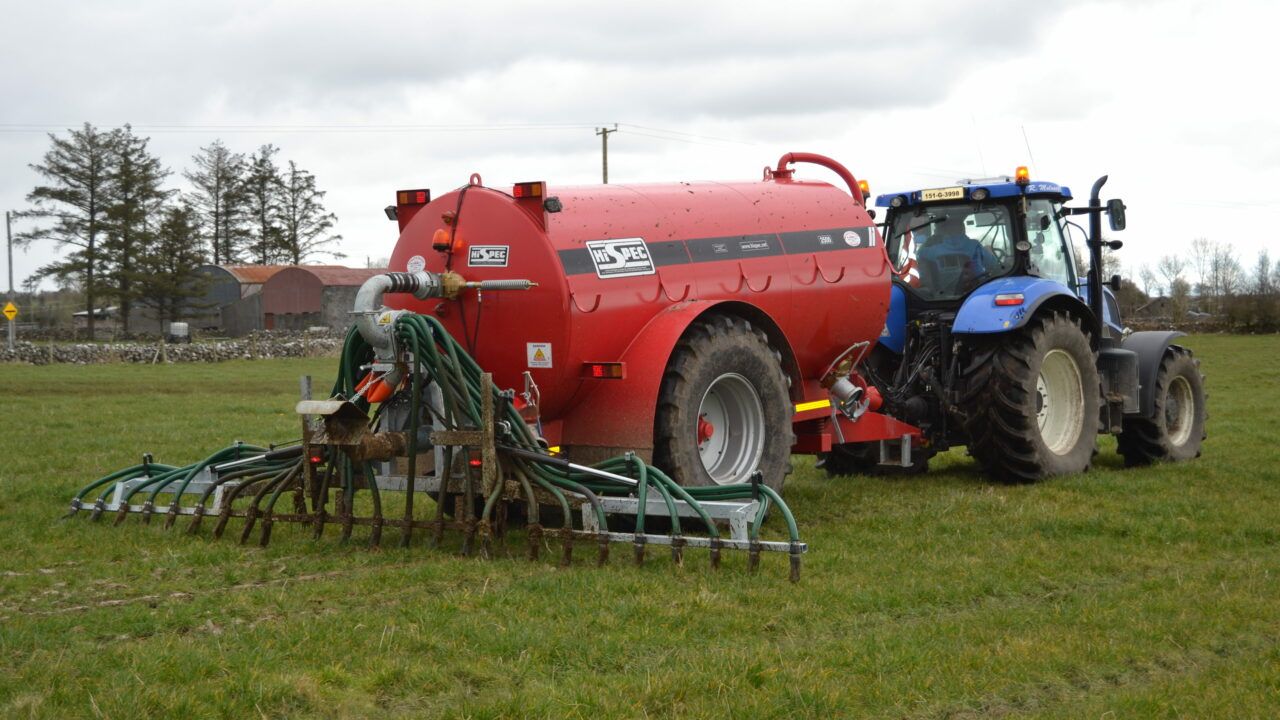
The closed period for slurry applications in the autumn typically commences on October 1, but has been extended to October 8 this year.
That means farmers only have today and tomorrow (October 6 and 7) to get any remaining slurry emptied from the tanks.
Getting the tanks emptied this week could be crucial if we have a spring like last year, where the window is open but conditions do not allow for spreading, putting a pinch on slurry storage.
Farmers in zone A will be permitted to spread slurry again on January 13, 2027, whereas zone B farmers will be restricted until January 16 and zone C farmers until February 1.
The table below details the storage periods for livestock manure and prohibited periods for spreading fertiliser, slurry, and farmyard manure (FYM):
| Zone | Storage period for cattle manure | Chemical fertiliser (N and P) | Slurry | Farmyard manure (FYM) |
|---|---|---|---|---|
| Zone A | 16 weeks | September 15 - January 26 | October 1 - January 12 | November 1 - January 12 |
| Zone B | 18 weeks | September 15 - January 29 | October 1 - January 15 | November 1 - January 15 |
| Zone C (Donegal, Leitrim) | 20 weeks | September 15 - February 14 | October 1 - January 31 | November 1 - January 31 |
| Zone C (Cavan, Monaghan) | 22 weeks | September 15 - February 14 | October 1 - January 31 | November 1 - January 31 |
Although the slurry spreading period is coming to an end, there will still be tankers out on the land up until December 1 when closed period for spreading soiled water kicks in for all suppliers for that month.
Dairy washings can continue to be spread behind cows at a rate of 1,500-2,000gal/ac, if conditions allow.
These will help to build covers and keep grass ahead of cows going into the final few months of grazing.
The closed period for spreading farmyard manure starts on November 1, which still gives many farmers a chance to empty the dung-shed over the coming weeks - potentially on silage ground that has only been recently cut with the fine weather last week.
Slurry
If you are planning on getting the last bit of slurry out today, application rates must match growth rates of the crop - spreading around 1,500-2,000gals/ac.
Soil temperatures are still high this week, ranging from 13-15°C according to Met Éireann, so a good response from your slurry should be expected.
Ground conditions are varying across the country, but after the heavy rain toward the end of last week, many areas are waterlogged.
Avoid spreading slurry on any paddocks which are waterlogged, or if heavy rain is forecast within 48 hours, due to the likelihood of leaching.
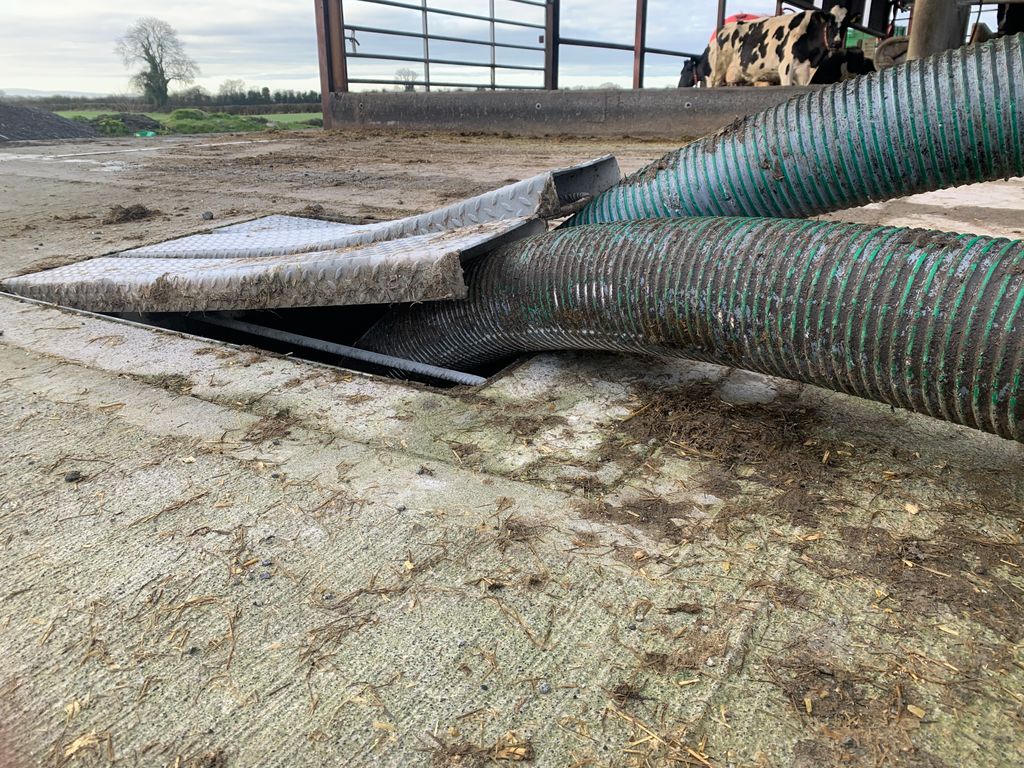
Even in dry paddocks, ensure you stick to any relevant buffer zones.
Spreading at these times is ineffective as your nutrients are not being utilised.
Farmers should target drier paddocks on the farm and, if they can, paddocks with a requirement for phosphorus (P) and potassium (K) and that have a good pH.
While it is important that farmers get their tanks emptied before the closed period to ensure that they have enough storage for the winter period, slurry still needs to be spread in good conditions, at appropriate rates and at a safe distance from water courses.
Remember that lime and straight potassium products can be spread all year round.
Identifying paddocks low in K or that have a low soil pH this autumn will be beneficial to get them rectified through liming or spreading K to build up soil fertility for next year and ultimately grow more grass for 2027.
As the spreading period does close, farmers are being reminded to ensure they record their slurry movements and declare them before the end of the year.