Trends and predictions for 2026

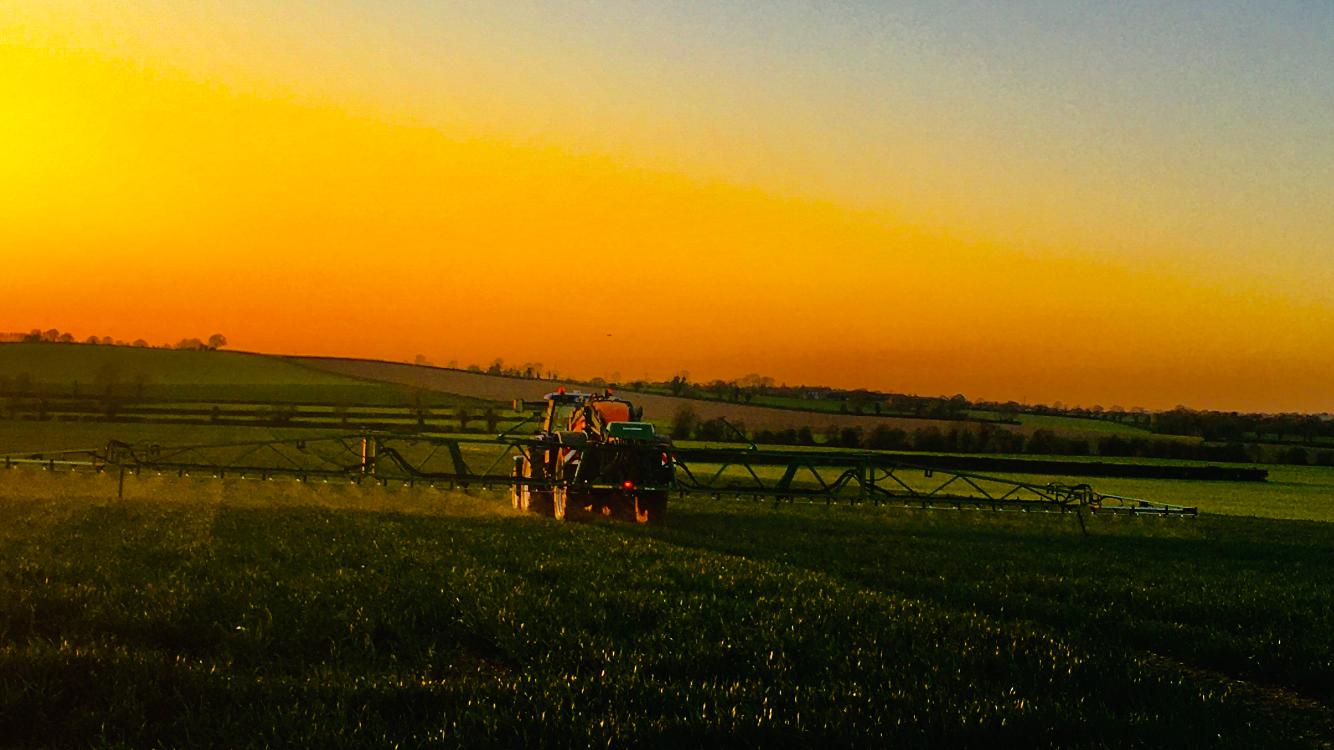
The lay of the land can be hard to predict, but, helpfully, a number of studies making educated assessments of the outlook for agriculture in 2026 were published in December.
Here’s a roundup of some of the studies and trends.
Dairy
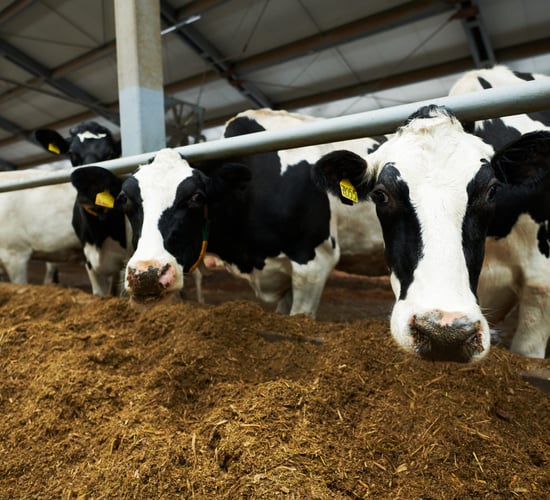
The dairy industry had an eventful 2025, and there is no shortage of predictions for the year ahead.
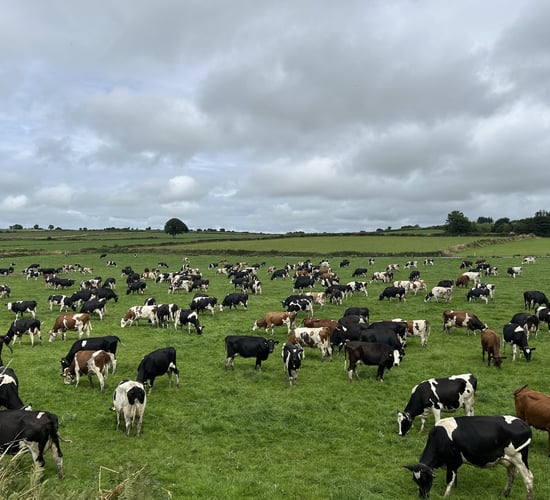
According to Dale Farm, the global milk market is now “grossly over-supplied”.
Dale Farm chief executive Nick Whelan said: “We will be advising our milk producers on this basis. The reality is that milk price is headed below cost of production in 2026."
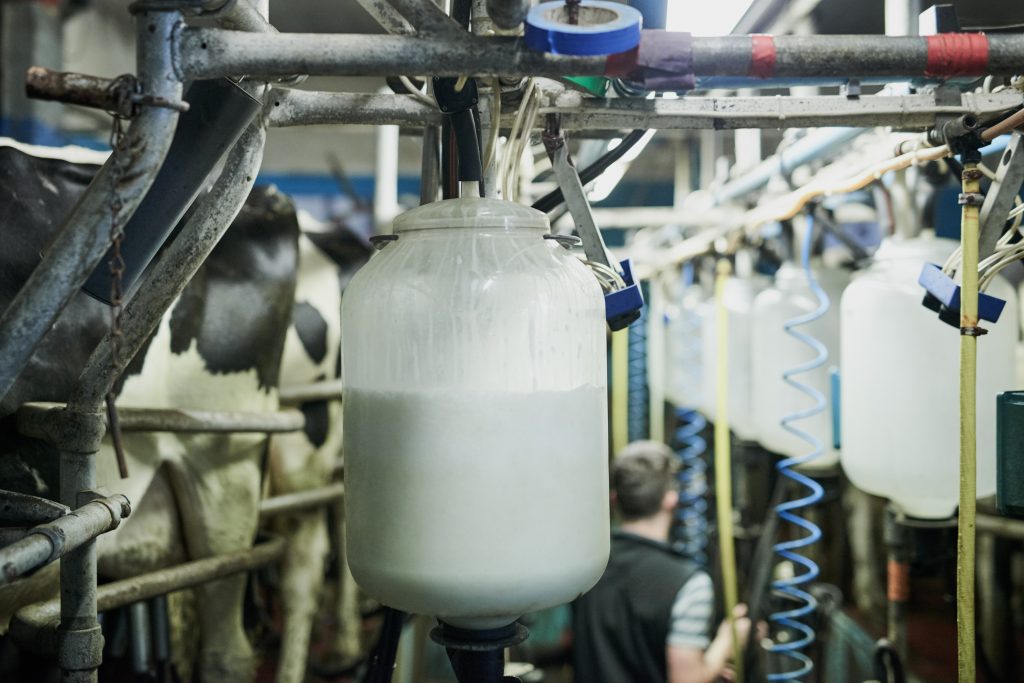
Meanwhile, Ornua reported that demand usually improves in Q2 but, for pricing to recover, milk supply needs to tighten.
Leprino Foods Europe chief executive, Paul Vernon made also comments about the industry at the Royal Ulster Winter Fair.
“The reality is that we need to see a significant reduction in milk supply prior to farm gate returns improving again,” he said.
Tillage
Tillage can be tricky to predict based on existing trends.
Teagasc tillage specialist, Shay Phelan said tax accounts should not be used to differentiate between the profitability or performance between different crops or enterprises.
He said: “This can only be done by using a tool such as the Teagasc Profit Monitor. This will give a much clearer insight into the performance of your farm.
“They also can give good insight into making crucial decisions going forward into 2026 and beyond.”
Machinery
A key development in machinery towards the end of 2025 was Trump’s announcement that products are too expensive due to environmental regulations.
Though, as Agriland’s Justin Roberts reported: “Should the president's thoughts prevail, then pressure for the EU to reduce its emission standards may also increase, as it will be pointed out that US farmers will have had their competitiveness boosted by lower machinery costs.”
On a lighter note, machinery enthusiasts will have something to look forward to in the new year, with the 2026 Spring Machinery Show set for late January and early February.
Beef and pork
Earlier this month, Agriland reported that beef and pork production may slow down in 2026: “According to a RaboResearch report, the global animal protein industry is set to experience a slowdown in production growth in 2026, driven by both cyclical and structural factors.”
Meanwhile, Teagasc’s Outlook 2026 found a possible “4% decrease in prime beef production in Ireland next year”.
Staying with Teagasc, a different report by the same body found that “finished cattle prices are forecast to ‘increase marginally’ in 2026”.
General predictions
Looking at other stories, Minister for Agriculture, Food and the Marine, Martin Heydon has indicated his intention that Ireland will seek a further nitrates derogation after 2028, if water quality improves in the meantime.
A report published by Minister of State for with responsibility for Nature, Heritage and Biodiversity, Christopher O’Sullivan found 9% of habitats showing improving trends.
And, finally, one prediction you can (figuratively) take to the bank is the start of the new pension scheme, which will impact both agricultural employers and staff.
The MyFutureFund Employer Portal was launched in early December.