Planning paddock closures and weanling health tasks
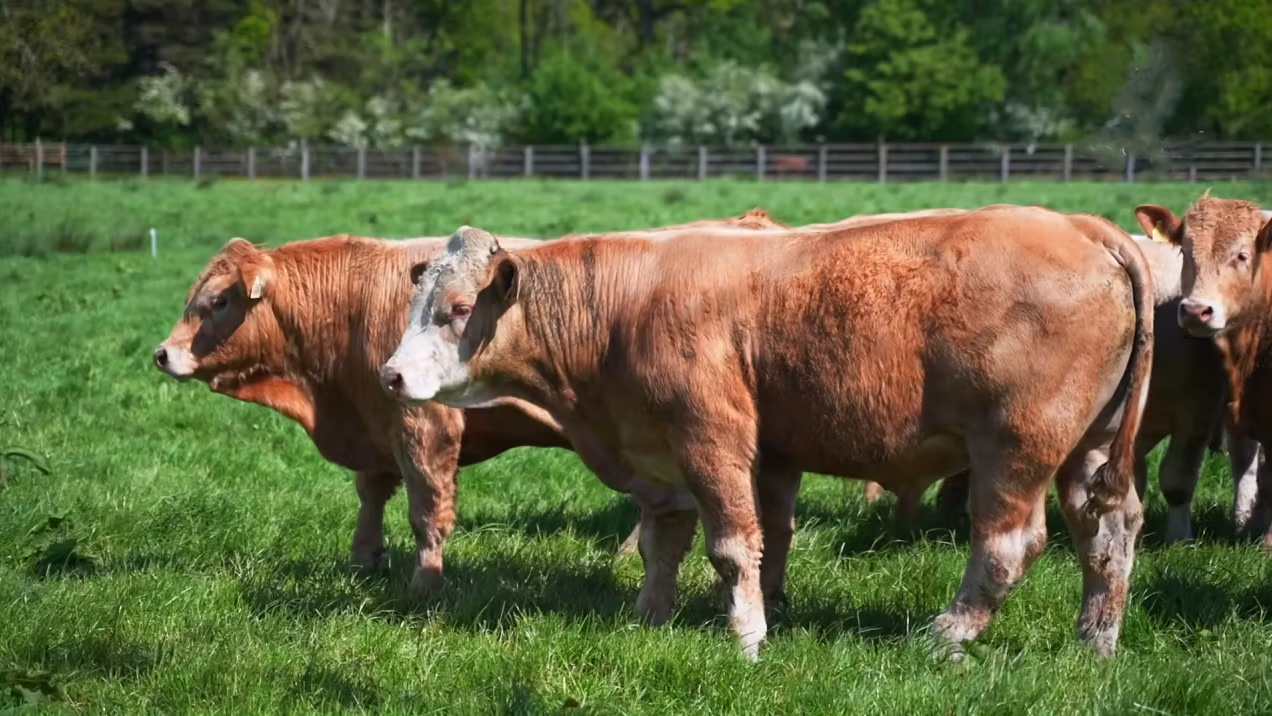
The focus for beef farmers in October will switch from building grass covers to closing paddocks in rotation to provide grass for next spring.
According to Teagasc beef specialist, Martina Harrington, the order in which paddocks are closed now should reflect how farmers plan to graze them at turnout.
On drier farms, aim to have 60% of the grazing area grazed and closed by the end of October, with the remaining 40% closed during November.
On heavier farms, bring these targets forward by 7-14 days.
Once paddocks are closed, avoid grazing them again, as this grass is your supply for next spring, Harrington said.
The autumn closing order should be planned around three stages of spring grazing:
- First grazed in spring: Cattle should start on lighter covers of around 800-1,200kg dry matter (DM)/ha to settle back into grazing and encourage good clean-outs. Choose dry, sheltered paddocks close to the yard, with good access if cattle need to be rehoused. Close these paddocks in the last half of October;
- Second grazed in spring: Move into heavier covers, including silage ground. Graze and close these paddocks first in October, allowing more time to build grass for spring. Keep your planned silage cutting date in mind;
- Last grazed in spring: Ground closed during November will generally be grazed last. This may include paddocks further from the yard or on an out-farm.
Heavy grass covers this autumn may slow progress, Harrington warned.
She advised farmer to split stock where possible, with one group grazing heavy covers or silage ground while another moves through lighter covers to meet closing targets.
Check the area closed each week and protect ground conditions.
Animal health
Harrington also warned farmers to not let good grazing conditions delay essential animal health tasks.
She highlighted that the Teagasc Future Beef Programme recommends weaning spring-born suckler calves during September, with vaccination, parasite control and concentrate feeding established beforehand.
Calves should be settled and ready for housing or sale before the weather turns.
The dry summer and favourable autumn may have delayed weaning on some farms.
If weaning preparations are not complete, complete the following:
- Vaccination: Start or complete programmes in line with your herd health plan. Some two-dose pneumonia programmes require six weeks from the first injection until immunity develops. Waiting until housing is too late to have this protection in place.
- Concentrate feeding and weaning: Have calves eating concentrates before weaning and maintain a consistent diet through to housing. Avoid combining weaning, housing, transport and other stressful procedures.
- Bought-in cattle: Do not assume cattle have been vaccinated or dosed. Where possible, ask what they were given and when. Keep bought-in cattle separate from your own stock at first. If you do not know what treatments they have had, agree a vaccination and dosing plan with your vet.
In terms of parasite control, Harrington advised farmers to treat lungworm before housing to give damaged lungs time to heal.
Farmers should talk to their vet about which dose to use. Some ivermectin products protect against lungworm for up to 28 days, but not all – check the label.
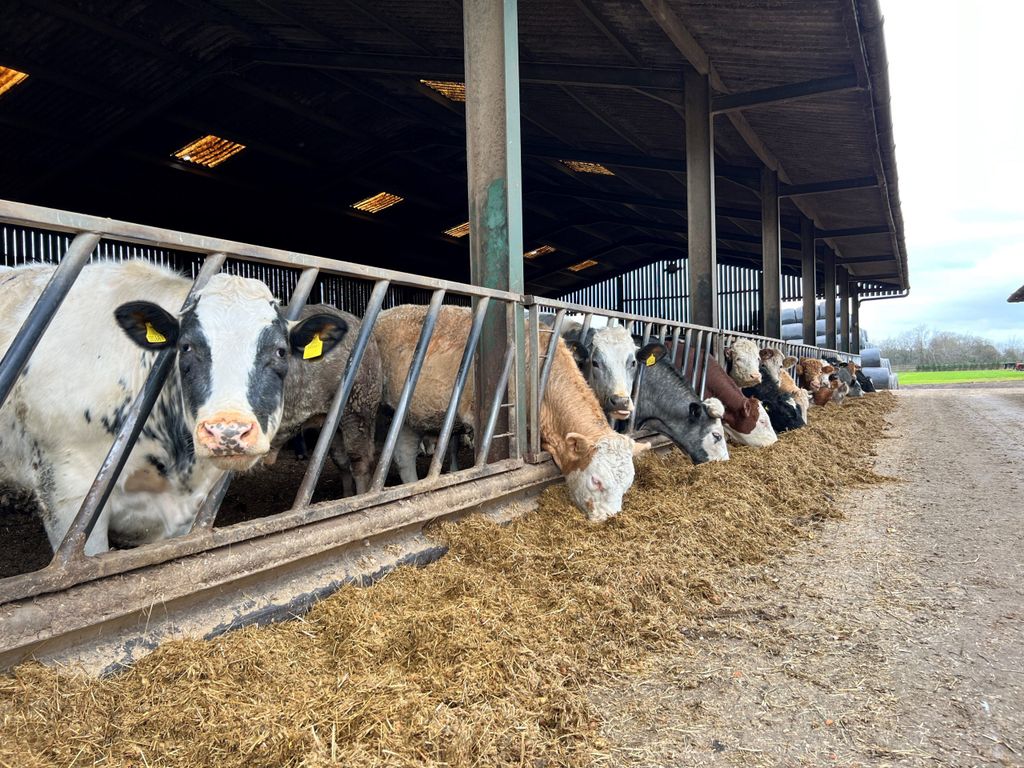
Protection against stomach worms may not last as long, so cattle can pick these up again while grazing.
Based on what farmers used and when it was administered, they should check with their vet to see if another treatment is needed at housing.
If cattle are coughing or having difficulty breathing, contact your vet straight away, the Teagasc beef specialist.
She said: "Actions to protect health are a small investment in a valuable animal."
A programme covering respiratory disease (IBR, RSV, Pi3, Mannheimia), clostridial diseases and appropriate worm treatment costing an estimated €25/head equates to just 7 cent/kg for a 350kg animal.
Costs vary with the products and doses required.
Harrington added: "Prepare cattle before problems arise - do not wait for the first case of pneumonia."