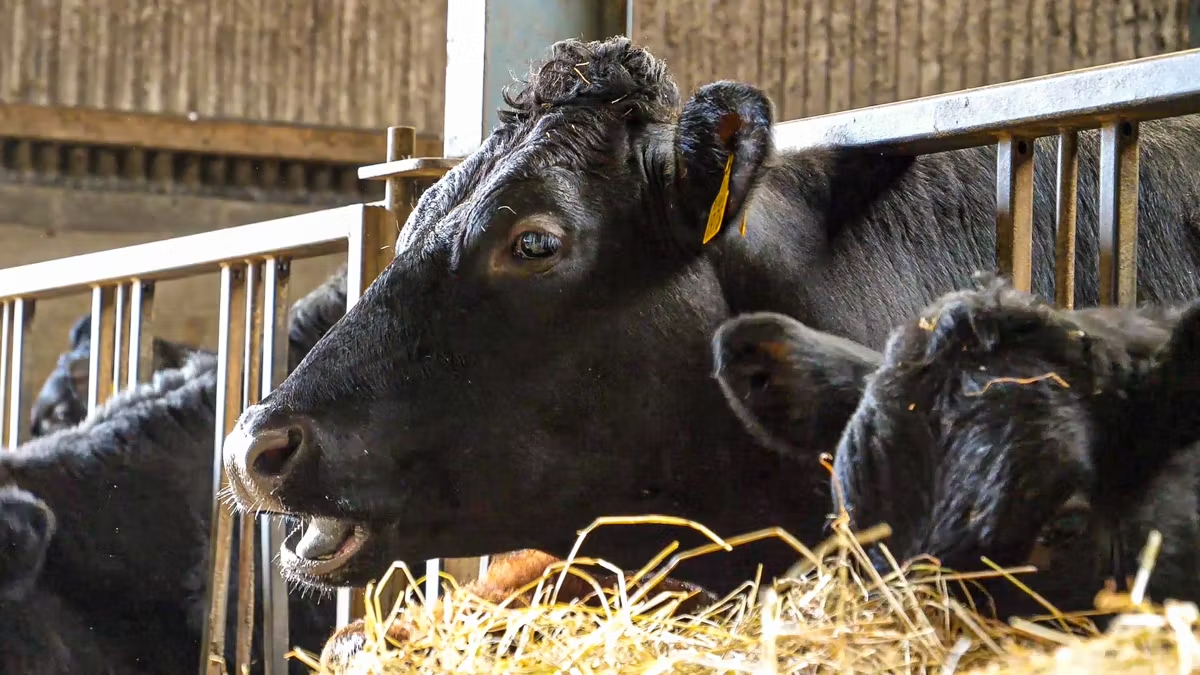
Argentinian beef sector rolls out new traceability system

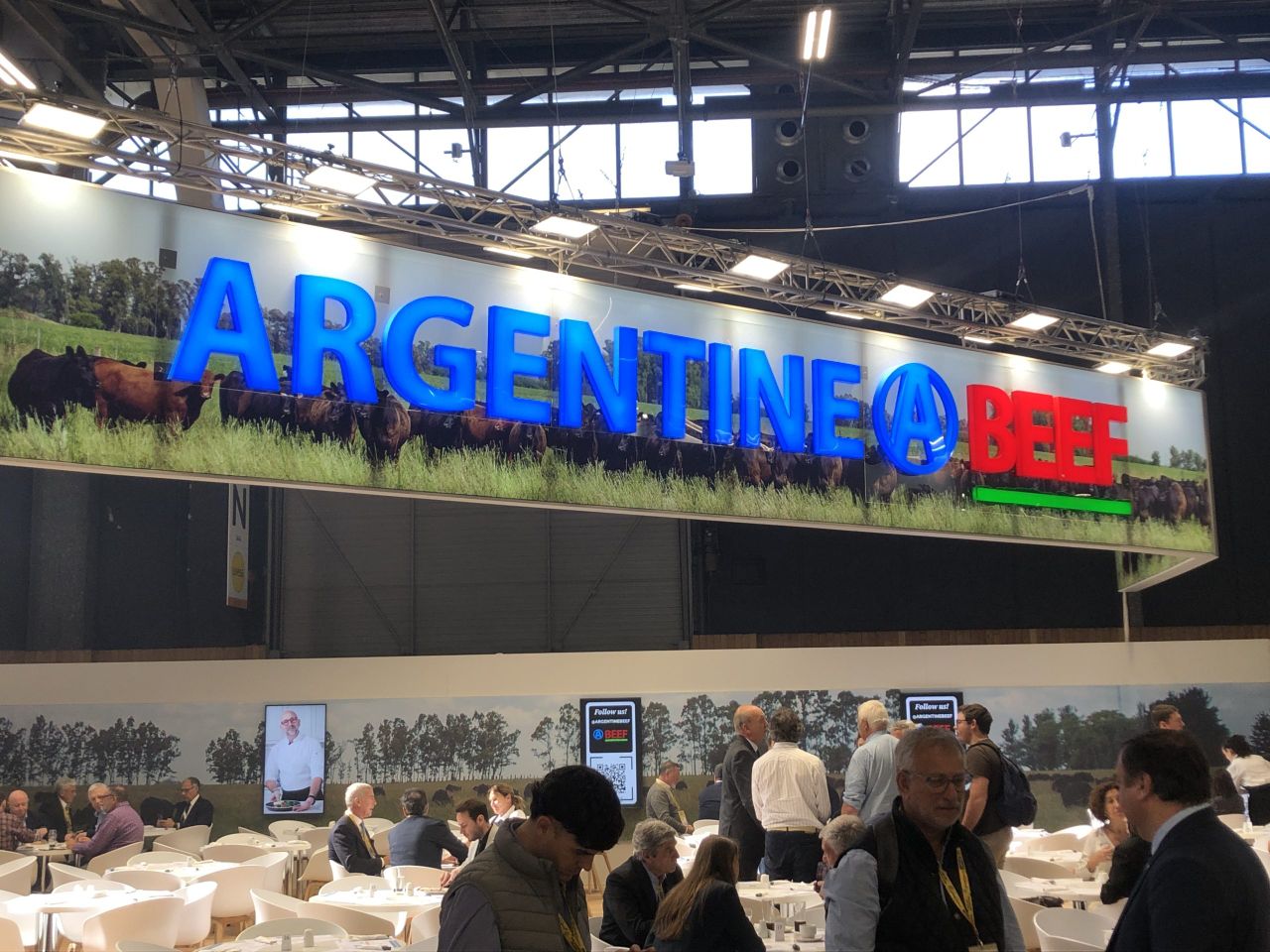
The Argentinian beef sector is rolling out a new traceability system to secure its share of the European market after a new EU law on deforestation comes into effect.
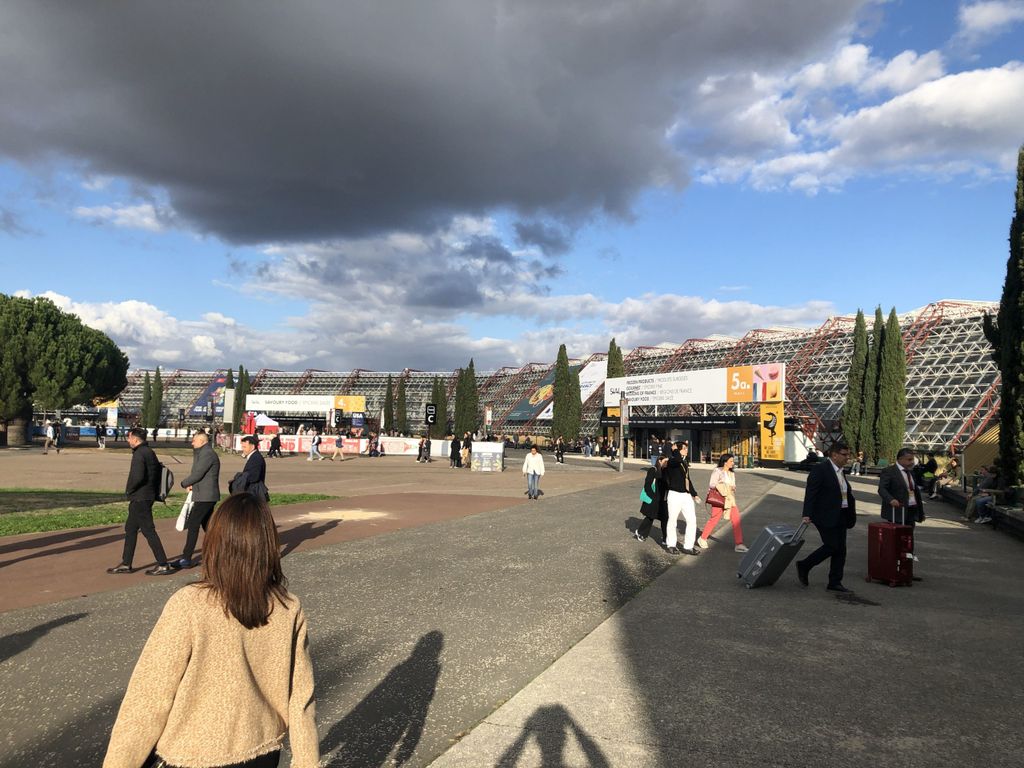
The traceability system is being showcased this week to EU beef trade stakeholders at SIAL, one of the world's largest international food trade fairs, taking place in Paris until Wednesday (October 21).
The system has been primarily developed so that EU importers of Argentinian beef can check the compliance of the beef they source with the EU Deforestation Regulation (EUDR), which, after a number of delays, is due to come into effect at the end of December.
However, speaking to Agriland at SIAL, representatives of IPCVA, Argentina's beef promotion body, said that the traceability standard will also check for compliance with laws on employment, taxation and protection of indigenous communities in the country.
The traceability standard is called VISEC, and IPCVA said it is designed to support the due diligence requirements of businesses that import Argentinian beef into the EU.
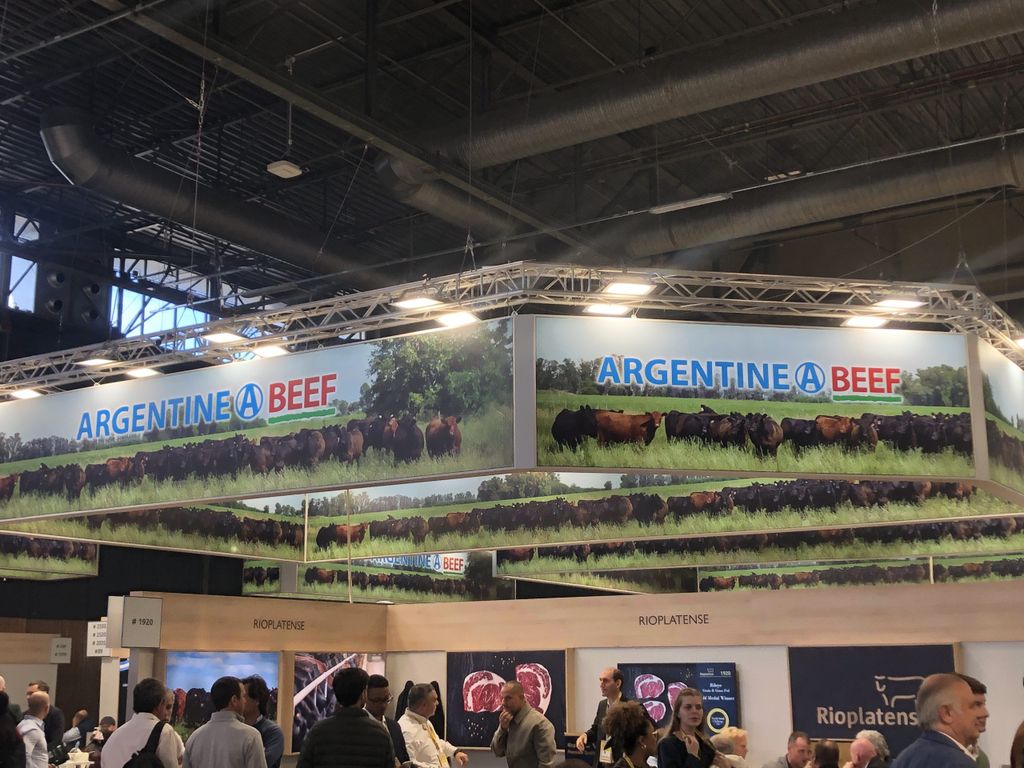
VISEC is described as an Argentinian socio-environmental traceability platform, involving stakeholders across the beef supply chain.
The system will link animal identification information with geographical data and satellite imaging to check for compliance with the incoming new rules on deforestation.
VISEC has already been operating on a pilot basis, in which it cleared 171 shipments of beef from Argentina, with information from over 1.3 million animal ear tags already on the system.
At SIAL, IPCVA officials said that some 12,000 primary producers, and around 80% of Argentina's slaughterhouses, are already signed up to VISEC.
It will not, technically, be a legal requirement in Argentina for current exporters of beef to the EU to sign up to VISEC; but IPCVA representatives said that, with EU importers set to be under strict rules on what they can import under the EUDR, those who do not join the traceability system will have the EU market closed off to them.
IPCVA president Georges Breitschmitt told Agriland that those farmers in Argentina who are most reliant on the EU market have welcomed VISEC; although he indicated that farmers who are less involved in the EU market have not welcomed the new system to quite the same extent.
In a separate statement on VISEC's unveiling at SIAL, Breitschmitt said: "We are here to reaffirm our commitment as reliable suppliers to a market that has long valued the premium quality of Argentine beef."
The IPCVA said that a single shipment of beef from Argentina might include meat from some 1,300 animals, with those animals having come from, or been kept on at some point, around 160 different farm holdings.
The EUDR will require that verifiable information on deforestation will have to be available for all holdings on which animals have lived at any point in their lives.
The IPCVA said that VISEC will allow EU importers to access information on shipments from their Argentinian suppliers; identify the holdings involved in the animals’ production history; and consult traceability records, maps and supporting documentation.
The IPCVA stressed that VISEC is not a certification system, and that EU importers will still be required to carry out due diligence under the EUDR on their end; the purpose of VISEC, the Argentinians said, is to make that due diligence easier for the importer.
Argentina is not a particularly heavily afforested country, with a forest cover of about 10% of its total land area (compared to around 60% forest cover in Brazil, and just under 40% forest cover, on average, across the EU's total land area).
According to the IPCVA, some 4.5% of Argentinian beef farms are in areas identified as having a risk of deforestation.