Sponsored
Meath duo adds 100kg of milk solids per cow

Sponsored by
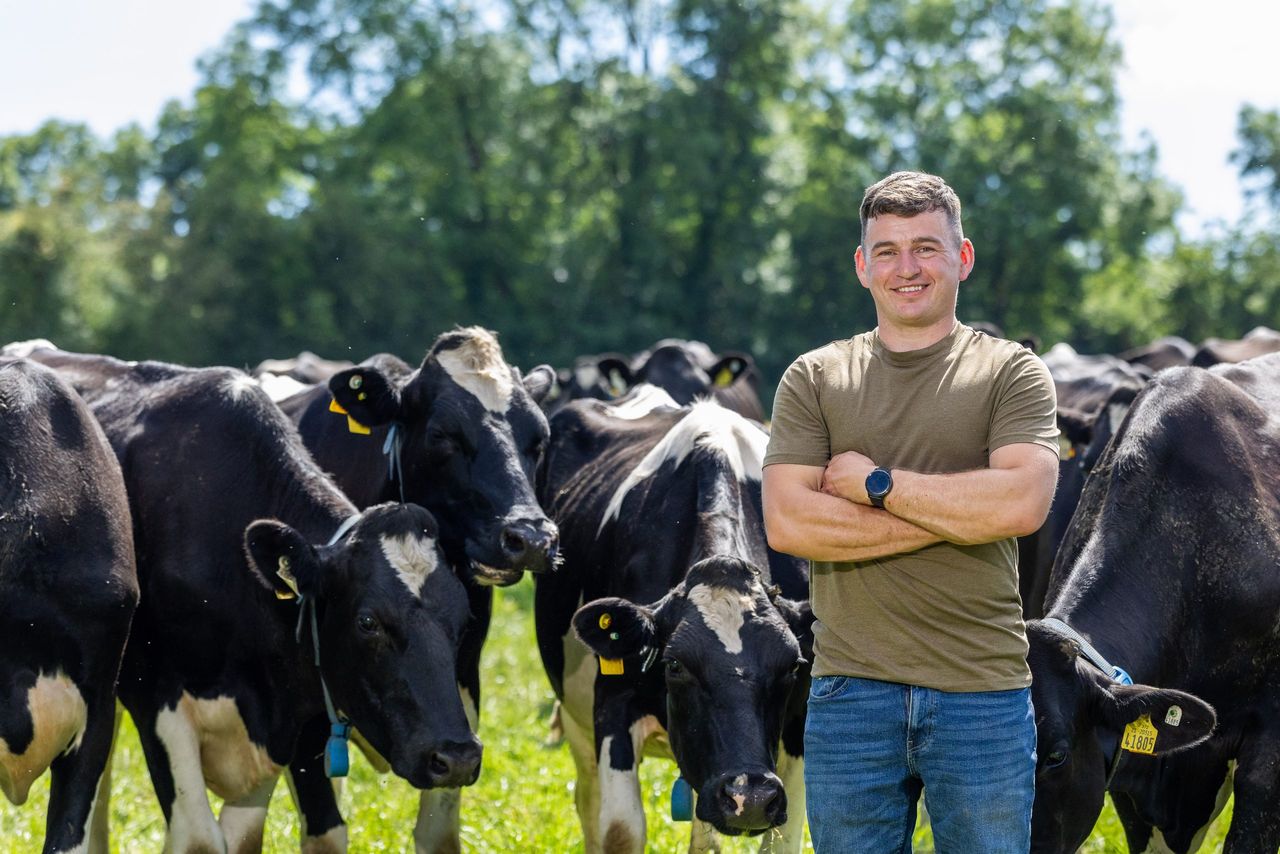
Having built their herd from 50 to over 200 cows, Dan and Bernard O’Reilly are now focused on getting more from every cow, and the results are showing in the tank and in key metrics such as breeding performance.
Dan O’Reilly farms in partnership with his father, Bernard, at Stonefield Farms outside Kells, Co. Meath.
The pair milk over 200 cows, having started with 50 cows 12 years ago.
Dan said: “We built that up slowly over the years from starting with 50 cows."
That growth has not come at the expense of performance.
Five years ago, the herd was producing between 430-440kg of milk solids per cow.
Last year, the herd averaged 540kg, an increase of 100kg per cow, which is both impressive and an excellent achievement for the father and son duo.
They achieved these results while expanding the herd and introducing a high percentage of heifers each year.
“A lot of heifers were mixed into that every year. Now it’s time to focus on refining what we have."
Increasing milk solids production is one of the most direct ways to improve farm profitability.
It generates more income from the same number of cows, land, and labour.
For the O’Reillys, getting more from each cow is now the main route to growth.
From growing to refining
With cow numbers where they want them, the O’Reillys’ focus has now moved to output per cow.
That is where Tirlán’s Milk Solids Growth Programme comes in, helping them turn that focus into stronger performance.
The programme gives all Tirlán milk suppliers access to the Milk Solids Tracker, an online tool and app that shows live milk solids performance, compared with the previous year, and the farm’s own targets.
The programme also gives farmers access to a dedicated Milk Solids Growth Specialist and, for the O’Reillys, that is Tony Brennan.
The plan
Each year, a dedicated Milk Solids Growth Specialist designs a farm-specific plan.
Last year, Dan sat down with Tony to plan for the 2026 season, with the aim of ensuring cows received sufficient energy within the diet.
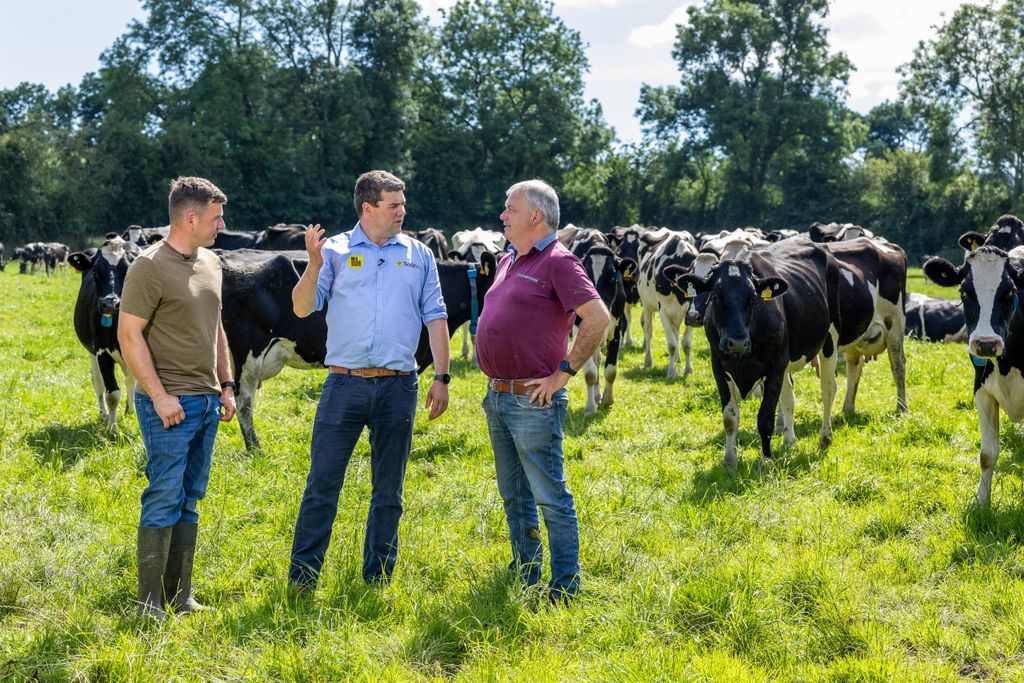
Dan and Tony tested the silage so they knew exactly what the diet was supplying.
They set a target of 22 UFL per cow per day, enough for cows to peak at over 30L, and to help avoid milk solids dropping and fertility suffering.
Quality silage and grass in spring
Meeting the target starts with silage. The first cut was taken on May 10 this year.
Dan said: “That’s my bank for next January and February.
“When cows calve down, they get good quality silage into them. It’s probably 75% DMD plus.”
Dan also points out that the thinking around making silage has changed over the years.
He explained: “Years ago you would just do two cuts a year, cut your first cut in June and second cut in at the end of July or August, and you wouldn’t look too much at quality.
"But now you can actually see the quality of the silage really pushing on the cows at springtime.”
Grass, like for many farmers, is key to producing quality milk as cost-effectively as possible.
Cows on the O’Reilly farm are usually out at grass by the end of January, grazing on and off.
“They’d go out but wouldn’t be locked in.
“If it gets wet enough, they’ll come back in themselves. They’ll do very little damage," Dan said.
Cows that come in have access to freshly bedded cubicles and feed waiting for them, helping Dan and Bernard get spring grass into the cows’ diet early while giving the cows the choice.
2026 results
As the O’Reillys approach the end of another year of production, the Milk Solids Growth programme has helped them deliver another year of growth.
The plan set out late last year delivered improvements in herd performance.
“Cows peaked at 35L this year,” Dan explained.
On a monthly basis, the herd peaked at 2.34kg of milk solids per cow per day, up from 2.24kg in 2025.
This improvement follows a difficult year, with a wet spring and summer drought, showing the value of the changes made.
The payoff at breeding
The extra output has not come at a cost to fertility.
The duo work off a 12-week breeding window, using only artificial insemination (AI) mixed between sexed and beef straws, which helped deliver a six-week calving rate of 82%.
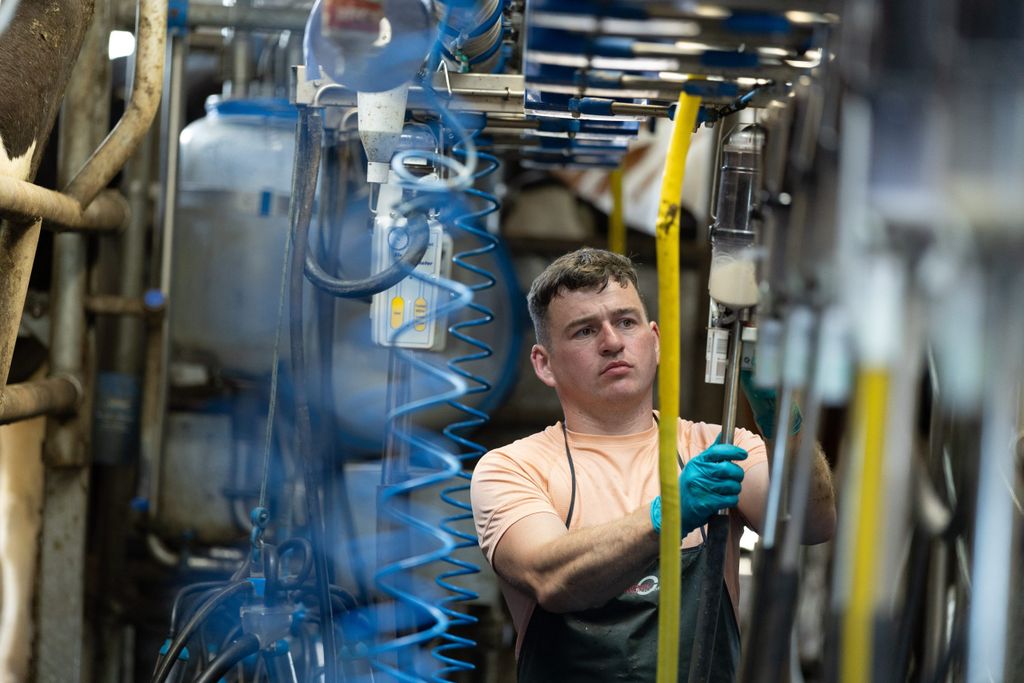
These results show improved output from the same number of cows, rather than an increase in numbers.
“For the cows to be able to do the production that they are doing this year and go back in calf, it just shows that it does pay to look after your cow in early lactation,” Dan said.
What’s next
There are no plans to expand further. The focus for the coming years is on solids, so the herd can be refined rather than grown.
“Focus is on solids for the next five years,” Dan said.
“No intentions of expanding any more, just refine the herd. The goal is a kilo of milk solids per kilo of body weight.”
His approach and mindset are straightforward: “You look after her, she will look after you.”
Sponsored by