Opinion: Tillage sector must plot a strategic way forward

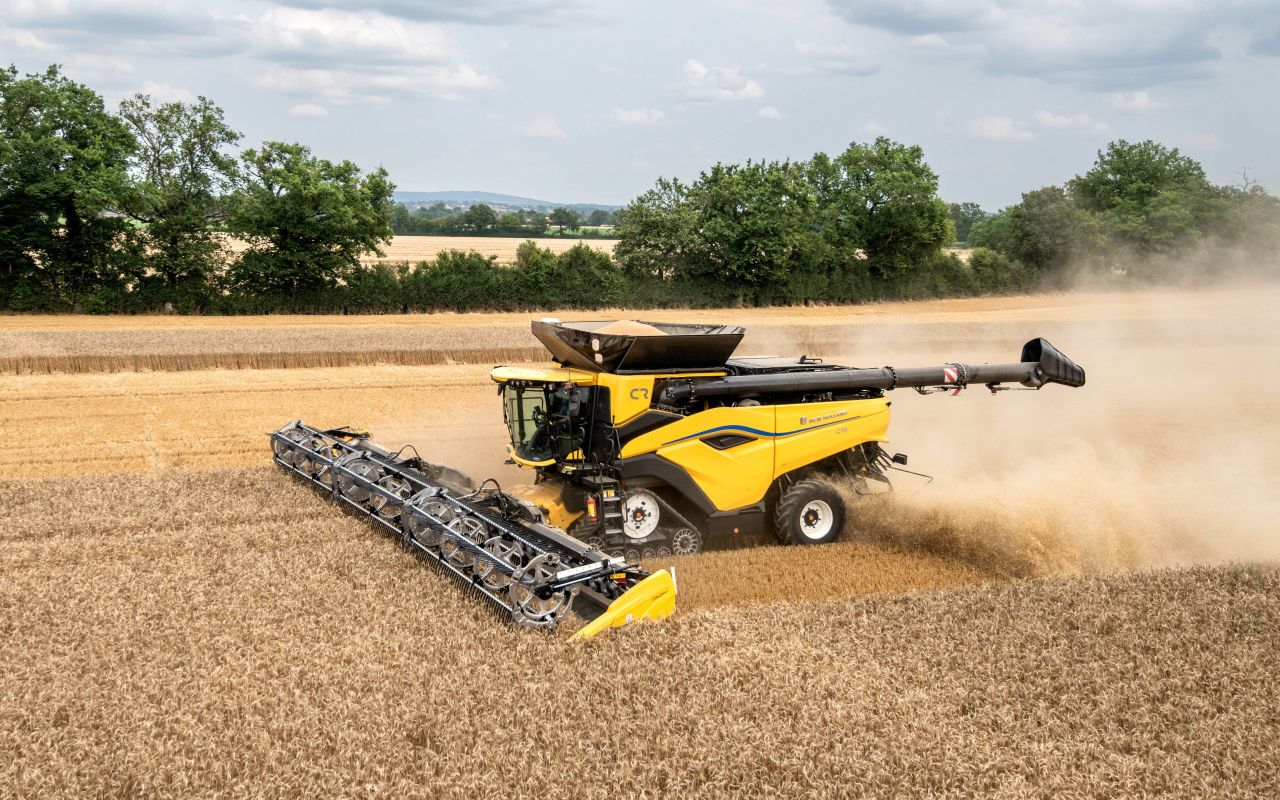
The days of the tillage sector living from hand to mouth are over.
Too much political capital was wasted in the run-up to Budget 2027. And the same game was played out 12 months ago.
While questions have to be asked about the role played by the Food Vision Tillage group in making any of this happen over the past while, the good news is that the priorities for the crops’ industry have now been crystallised; and getting them secured should be manageable enough.
Objective number one is to get the Straw Incorporation Measure, the Protein Aid Scheme and the tillage support scheme made available by the government in the last two Budgets hard-wired into the new Common Agricultural Policy (CAP) measures.
This should is a feasible enough ask, given that Ireland currently hosts the presidency of the European Union.
Irish grains
The next step is to get Bord Bia and the government on board to agree a fair pricing system for bona fide Irish grains.
Teagasc is already shouldering most of the hard work here, courtesy of its annual Crops and Returns analysis alone.
On the back of that work alone, it should be possible to estimate a break-even price at harvest for all grain and oilseed options as early as the previous February.
What is needed then is an agreed quality assurance scheme for the tillage sector, which Bord Bia can administer.
Yes, the introduction of such a scheme will result in Irish livestock farmers paying that little bit extra for home-produced grains.
And that’s the way it should be, provided the customers of this grain are appropriately awarded for the environmental benefits that are brought to bear for agriculture as a whole in putting this system in place.
Environmental benefits
Tillage is part of the environmental solution for Irish agriculture, not the problem.
The reality is that tillage farming has an almost zero carbon footprint. So any measure that can encourage the growing of more crops in this country will benefit farming as a whole.
Let’s not forget that the 400,000ha area target for tillage remains priority for the country as a whole.
Moreover, under the current Climate Action Plan, this objective must be secured by 2030: four years from now.
Malting barley
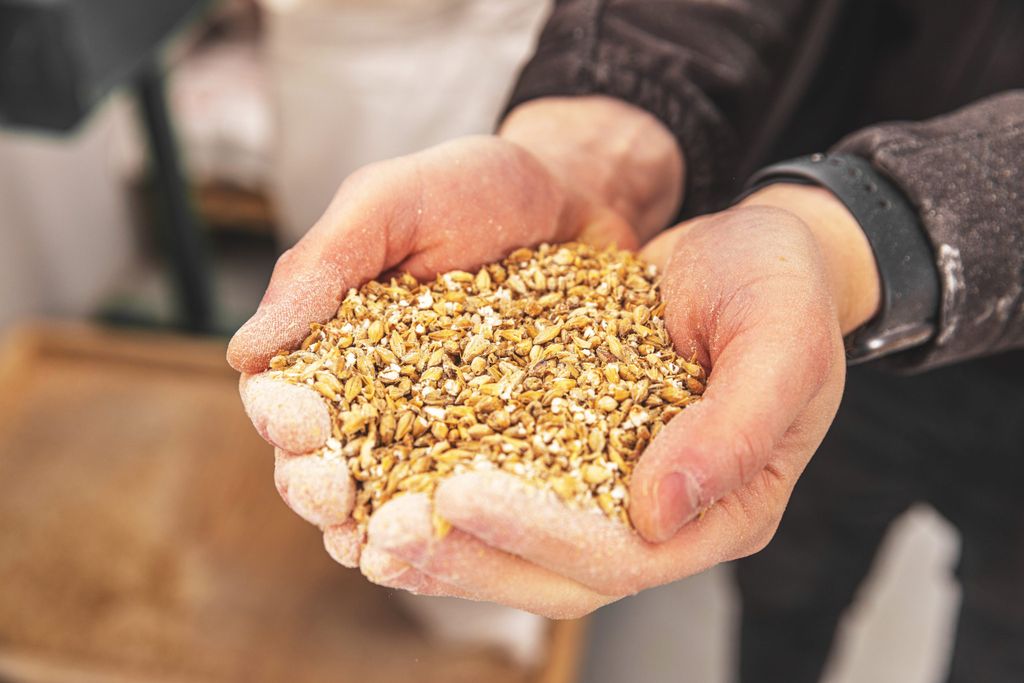
And there’s the issue of malting barley. Everyone agrees that farmers growing the crop need a premium return.
So why not set it a straight €50/t above the feed barley figure set within the aforementioned native grains’ pricing model?
The current Boortmalt model is far too complicated.
The 2026 malting price is an absolute sham. And, let’s be honest, the government has done nothing to endear itself with growers by talking about non-disclosure agreements with the Irish Farmers’ Association.
Let’s hope there is a big turnout of growers for the malting barley meeting planned for Carlow on Monday, October 12.