Further bluetongue cases confirmed in Ireland


Further cases of bluetongue in Ireland have been confirmed by the Department of Agriculture, Food and the Marine (DAFM).
Total herd cases have now reached 28, with bluetongue identified in 11 counties so far.
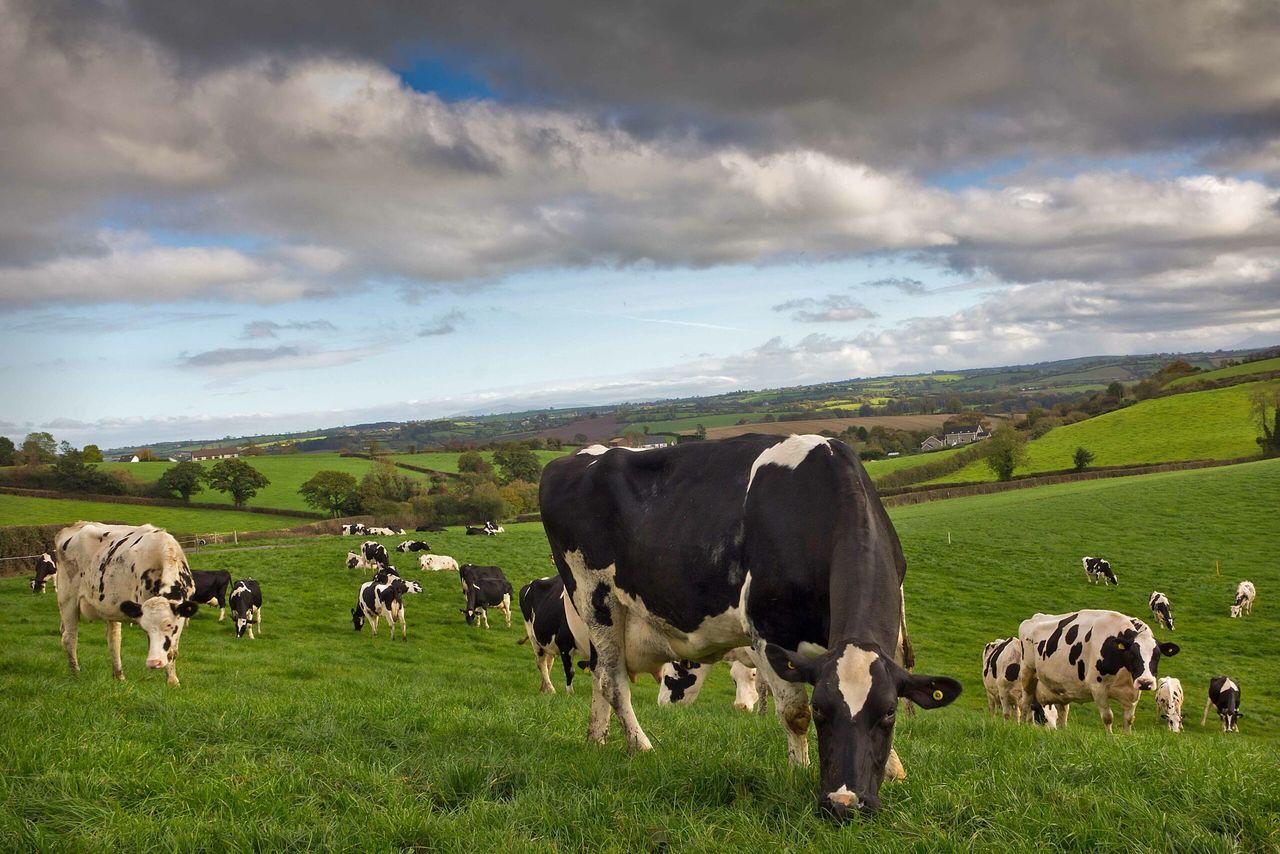
The majority of the cases (26) have involved bovines, with two cases in sheep to date in Kildare and Wexford.
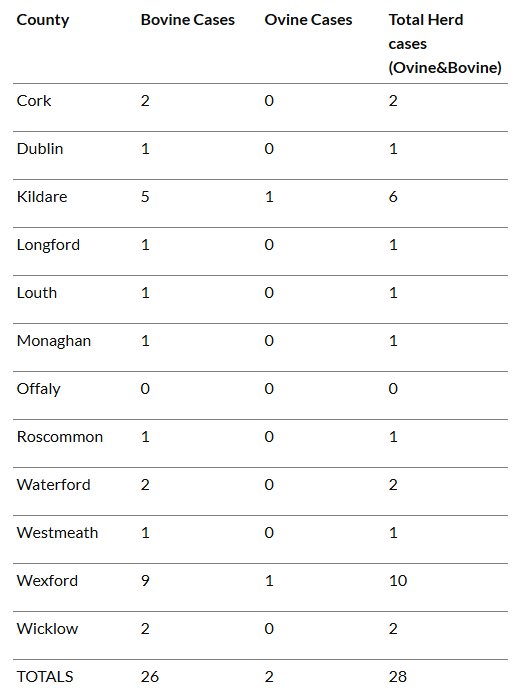
Wexford is the county with the highest number of bluetongue cases confirmed, currently stood at 10, followed by Kildare with six.
Bluetongue virus serotype 3 (BTV-3) was first detected in Ireland in a herd in Co. Wexford in January 2026 following analysis of blood samples from cows taken for disease surveillance purposes.
Modelling indicated a suspected date of incursion of infective vectors (midges) from known outbreak sites in England around mid-September 2025.
The first BTV-3 cases of the high-risk period (June-October) were detected in early September following sampling of a heifer from a Co. Wexford herd on post-mortem examination.
Other cohorts in the herd were sampled and additional cases were detected.
Viral disease
Bluetongue is a viral disease caused by bluetongue virus which can cause severe clinical signs in ruminant species and camelids.
As bluetongue is a notifiable disease, any suspect case of bluetongue must be reported to the DAFM without delay.
Farmers, veterinary practitioners and other relevant stakeholders are urged to remain vigilant for bluetongue.
There are no public health risks associated with bluetongue.
It does not affect human health or food safety.
It is, however, a serious animal disease as it may have severe on-farm impacts (reduced production, serious illness and even death of livestock) as well as economic impacts on Irish agri-industry, for instance, by affecting live animal trade with other countries.