Sponsored
Myth vs reality: Dairy performance beyond energy


Sponsored by

Modern dairy performance depends on more than simply increasing energy and protein supply.
High-producing cows face continuous nutritional, environmental, oxidative, and metabolic pressure, which can divert nutrients toward cellular defense and maintenance rather than milk production, reducing feed efficiency and metabolic resilience.
Targeted nutrigenomic nutrition can support antioxidant defense, inflammatory regulation, detoxification, and metabolic stability, particularly during demanding periods such as peak lactation and heat stress.
At the same time, even low-level mycotoxin exposure can negatively affect liver function, immunity, rumen efficiency, mammary health, and production consistency.
nuphoria Farm Pack combines nuphoria, which supports cellular and metabolic defense mechanisms, with nufense, which helps manage a broad spectrum of mycotoxins while preserving nutrient availability.
Together, they help reduce metabolic load and support more efficient nutrient utilisation.
Myth 1: Increasing milk yield is primarily a matter of supplying more energy and protein
Reality: High-producing dairy cows operate under continuous nutritional, environmental, and metabolic pressure.
Oxidative stress, chronic low-grade inflammation, and hepatic overload are no longer occasional challenges but structural components of modern production systems.
Under these conditions, nutrients are increasingly diverted toward cellular defense and homeostasis, rather than milk synthesis.
The result is not only constrained productivity but also compromised feed efficiency and metabolic resilience.
Myth 2: Oxidative stress and inflammation are unavoidable side effects of high performance
Reality: Advances in nutrigenomic science demonstrate that targeted nutritional strategies can actively modulate gene expression associated with antioxidant defense, inflammatory regulation, and detoxification capacity.
Rather than passively responding to stress, the animal’s metabolism can be nutritionally guided toward improved adaptive capacity.
This is particularly critical during periods of elevated demand, such as peak lactation, metabolic imbalance, or heat stress, when cellular damage and inflammation signaling intensify.
Strategic nutritional intervention at the genomic and cellular level enables animals to maintain metabolic stability instead of operating in a constant state of compensation.
Myth 3: Mycotoxins are only relevant when contamination is obvious or acute
Reality: In commercial dairy operations, mycotoxins more commonly exert a chronic, subclinical impact, silently increasing metabolic burden and inflammatory tone.
Even low-level exposure can impair liver function, immune competence, rumen efficiency, and mammary health.
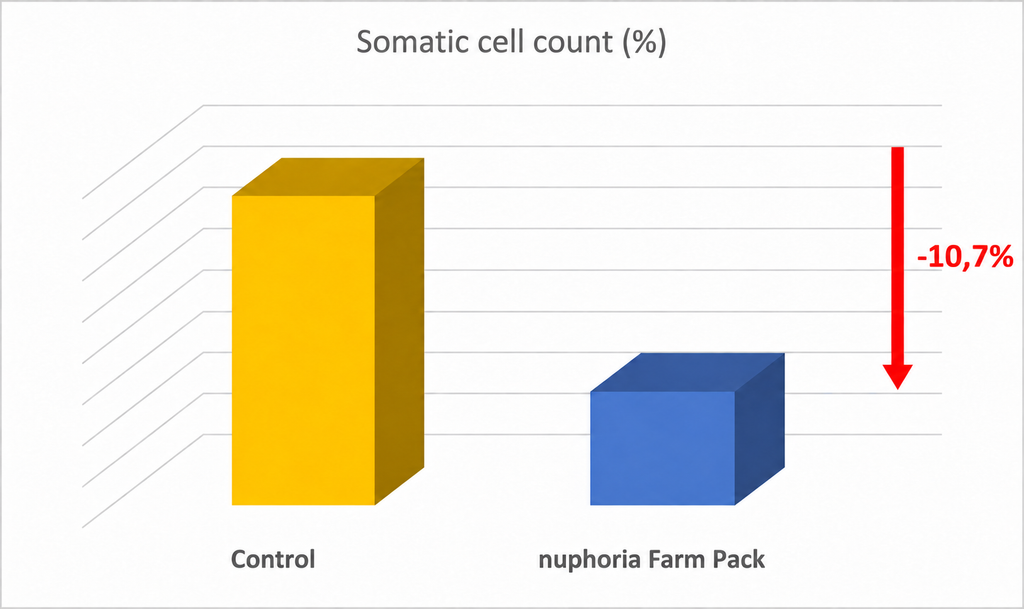
Over time, this translates into elevated somatic cell counts, increased mastitis incidence, and inconsistent production.
Effective mycotoxin management must therefore focus not only on binding efficacy but also on nutrient preservation, ensuring that essential vitamins and micronutrients remain bioavailable to support metabolism and productivity.
Where nutrigenomics meets smart mycotoxin control
nuphoria Farm Pack is designed as an integrated solution that addresses these challenges through a dual, synergistic mode of action, combining targeted nutrigenomic support with advanced mycotoxin management.
nuphoria acts at the cellular and metabolic level, supporting gene-regulated antioxidant and anti-inflammatory pathways.
By strengthening endogenous cellular defense mechanisms, it contributes to improved metabolic stability and reduced inflammatory pressure.

nufense, formulated with carefully selected low-cation exchange capacity (low-CEC) clays, effectively binds a broad spectrum of mycotoxins without interfering with the availability of critical nutrients such as vitamins.
Unlike high-CEC mineral binders, this approach minimises unintended nutrient sequestration, preserving feed integrity, and supporting optimal nutrient utilisation.
Together, nuphoria and nufense reduce the overall metabolic load imposed by oxidative stress and mycotoxin exposure, creating a physiological environment that favours production rather than defense.
From cellular protection to measurable performance
When antioxidant capacity is enhanced, inflammation signalling is controlled, and mycotoxin-related stress is mitigated, nutrient partitioning shifts decisively toward productive functions.
Instead of allocating resources to repair and detoxification, the animal can more efficiently convert feed into milk.
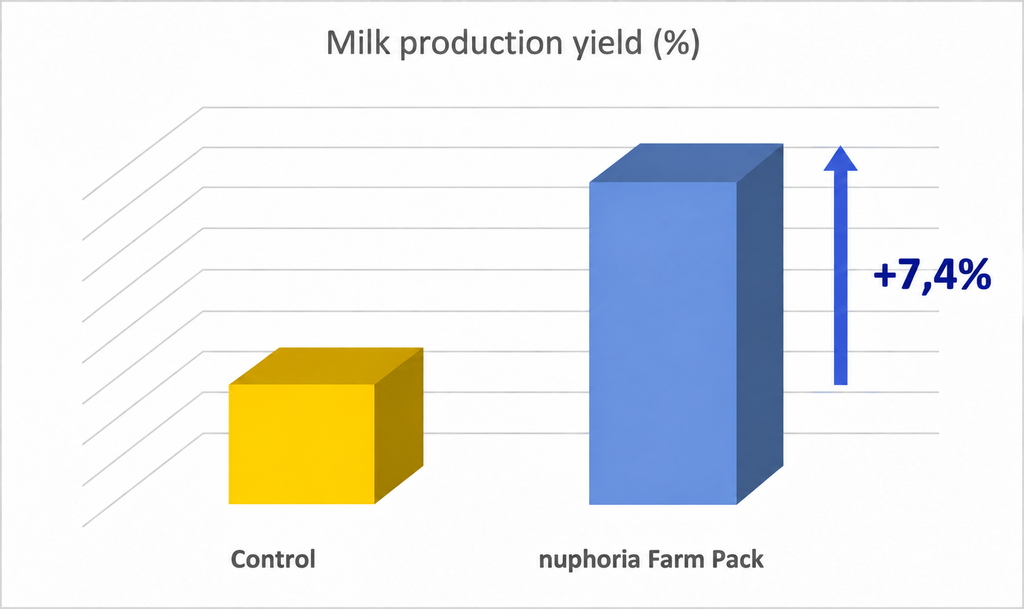
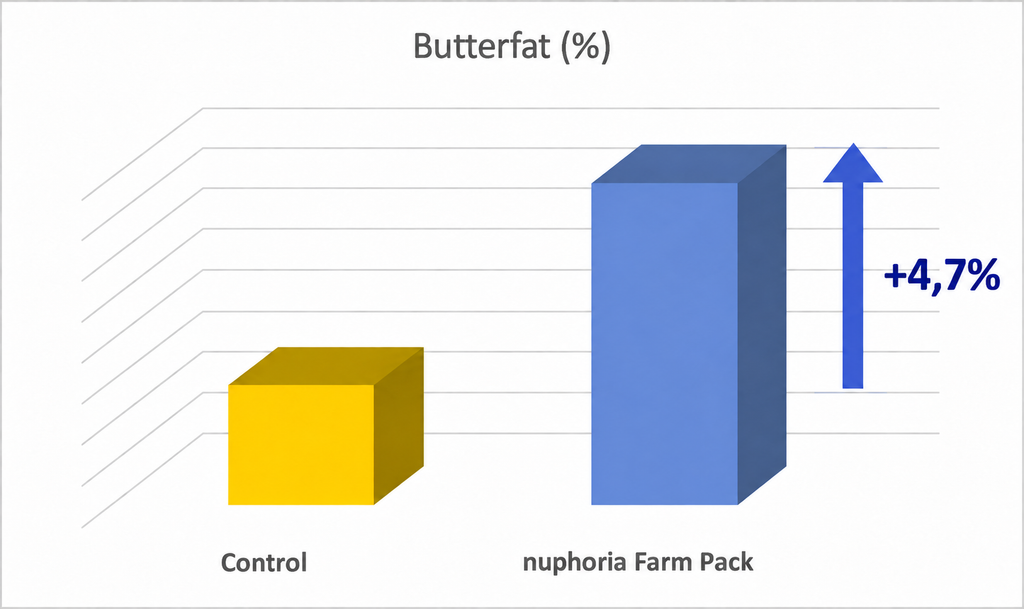
Under commercial farming conditions, the combined application of nuphoria and nufense has been associated with:
- Increased milk yield;
- Improved butterfat percentage;
- Reduced somatic cell counts (SCC);
- Fewer mastitis incidents;
- Enhanced feed efficiency and nutrient utilisation.
These outcomes reflect not stimulation, but stabilisation - a metabolic state in which high performance becomes sustainable rather than extractive.
In modern dairy systems, the critical question is no longer how much energy we supply, but how effectively the animal can transform nutrients into milk under constant stress.
That efficiency begins at the cellular level.
nuevo: We translate advanced nutritional science into practical, field-proven solutions
By focusing on cellular protection, metabolic efficiency, and intelligent risk management, nuevo helps producers unlock higher and more stable performance under real commercial conditions.
Our solutions are designed to reduce hidden biological costs, improve nutrient utilisation, and convert scientific innovation into measurable productivity gains and improved farm profitability.
The result is sustainable performance that supports both animal resilience and long-term economic success.
Sponsored by