Budget 2027 ‘does not address core issue’ for tillage farmers

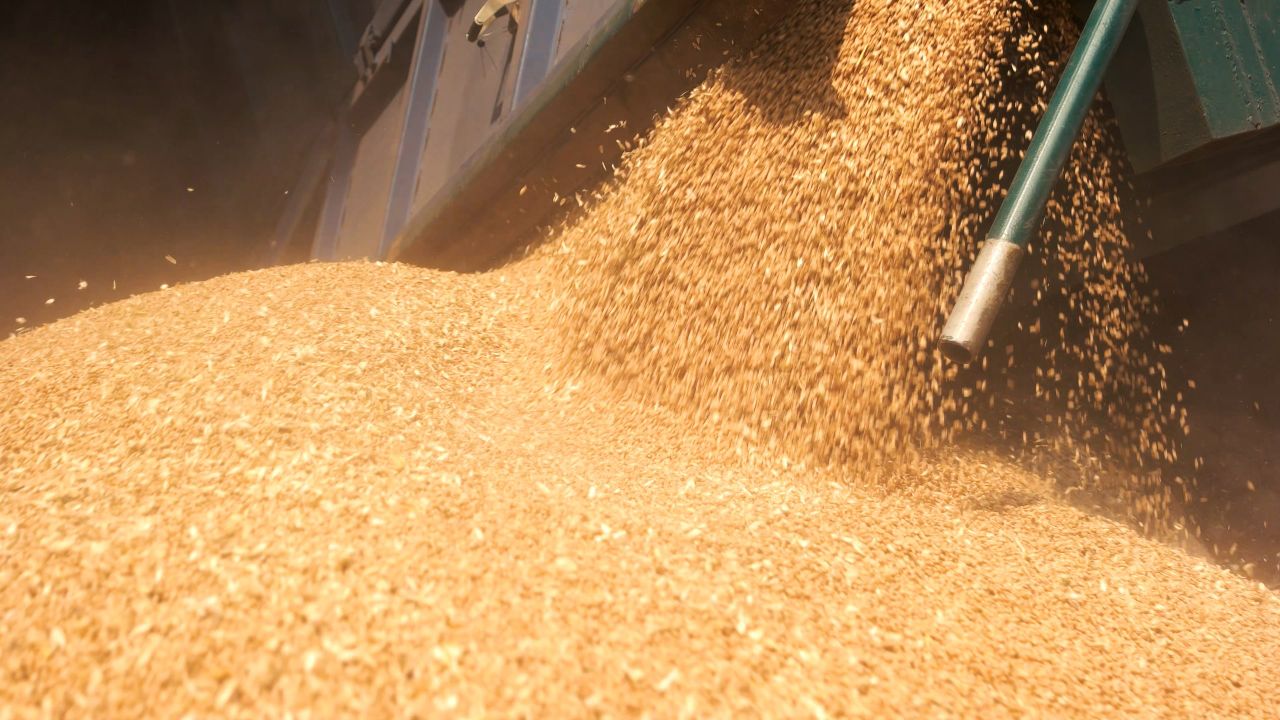
The 2027 budget "does not address the core issue facing Irish tillage farmers - the continued importation of feedstuffs", according to the Irish Grain Growers Group (IGGG).
The tillage group welcomed elements of Budget 2027, stating it demonstrates that Minister for Agriculture, Food and the Marine Martin Heydon and the government are "listening to the concerns being raised by the Irish tillage sector".
However, it added that today’s budget “does not address the core issue facing Irish tillage farmers - the continued importation of feedstuffs and the resulting imbalance in competitiveness for native Irish grain”.
Native Irish grain
The IGGG had presented a pre-budget submission proposing a model whereby this imbalance in the marketplace could potentially be addressed through taxation measures that would “recognise the environmental, economic and regulatory advantages” of using native Irish grain and pulses.
This remains a key driver for the group.
It said: “Irish tillage farmers are required to produce safe, traceable food and feed under some of the most stringent regulations in the world.
“They face significant costs associated with EU production standards, while competing in a marketplace where imported feedstuffs can enter Ireland without the same level of recognition being given to the environmental and economic contribution of native Irish production.
“Simply put, financial recognition of native Irish grains and pulses must now be introduced.”
It added that such a system should “not only benefit the Irish tillage farmer but also provide a financial incentive for those within the feed, dairy, livestock, drinks and food sectors who choose to use native Irish grain”.
IGGG said: “Tánaiste Simon Harris spoke in his budget address about the need to decarbonise Ireland.
“Yet, to date, there has been no meaningful financial recognition from the Department of Agriculture of the proven credentials of native Irish grains and pulses and the role they can play in reducing the carbon footprint of the Irish agricultural sector.”
The IGGG believes this must change.
It said: “We welcome the retention of the tillage sustainability scheme, although the allocation falls well short of the IGGG’s call for a €40 million budget.
“The continuation of the scheme is nevertheless an important recognition of the strategic importance of the tillage sector.
“We also welcome the government’s recognition of the success of the Straw Incorporation Measure and the confirmation that funding will be available for 2027.”
It added that this measure has demonstrated what can be achieved when environmental objectives and farm policy work together.
Fertiliser
According to the IGGG, the government’s commitment to supporting the EU fertiliser support package to its maximum level is also necessary.
The tillage group said: “The cost of production has become prohibitive for tillage farmers against the backdrop of international grain prices, while farmers have also faced extremely challenging weather conditions during the past season.”
It also commended the additional funding being directed towards European Innovation Partnership (EIP) schemes focused on water quality.
“Tillage farmers have an important role to play in protecting Ireland’s water resources and improving environmental outcomes," the IGGG said.
However, it stated: "Support schemes alone cannot solve the competitiveness crisis facing Irish tillage.
"The government must now look beyond traditional agricultural supports and address the structural imbalance created by imported feedstuffs.
“If Ireland is serious about decarbonisation, food security, sustainable agriculture and supporting its own primary producers, then native Irish grain and pulses must be recognised for the value they bring to the entire agricultural and food system.”
The IGGG said it will continue to pursue this objective.
"A financial mechanism which recognises and rewards the use of native Irish grain and pulses should now become a central part of government agricultural policy," the tillage group added.