Last-minute push for tillage aid in Budget 2027 by IGGG

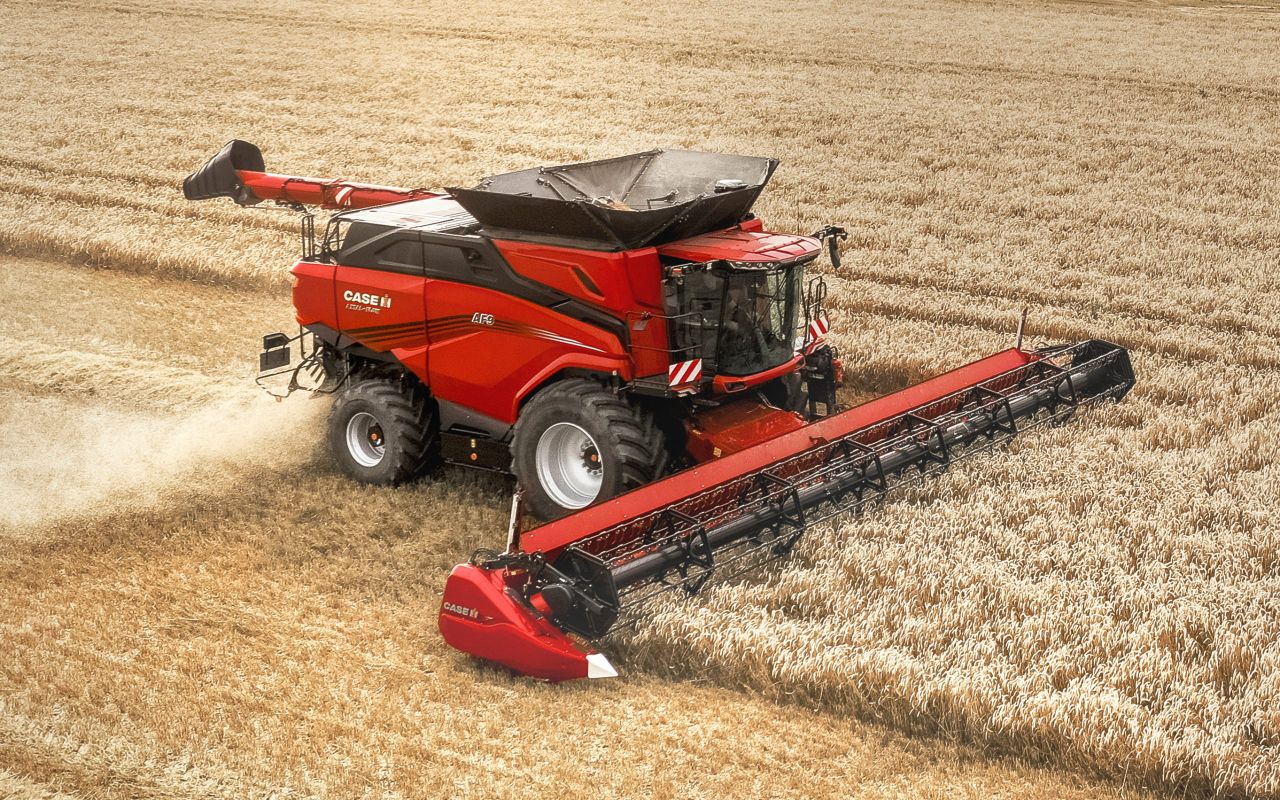
The Irish Grain Growers Group (IGGG) has called again on Minister for Agriculture, Food and the Marine, Martin Heydon, to deliver for the tillage sector in Budget 2027.
The organisation is holding a committee meeting this morning (Tuesday, October 6) during which its secretary, Clive Carter will emphasise the absolute priority for the Irish government to fully recognise the more than significant challenges facing the grain sector.
The IGGG maintains that tillage farmers need the €40 million support fund, which was promised by all the government parties prior to the last general election.
"A commitment to that end was made in Budget 2026. The reality is that the economics of tillage farming are in a more parlous state now than was the case 12 months ago.
"The government must act accordingly," Carter said.
While the IGGG recognises that cereal prices have increased year-on-year, Carter noted increases in costs incurred by tillage farmers during this period have more than eaten into the slight improvement in market returns.
Costs
The extent of the economic pressure on all farming sectors has recently been fully quantified by research carried out in the UK.
The Andersons Centre estimates that agricultural input inflation ('Agflation') reached 7.8% in the year to September 2026, up from 7.2% in August and 1.7% in January.
This is the highest rate since early 2023 and more than double headline consumer price inflation, which stood at 3.1% in August.
The rise is being driven by the most volatile items in the farm cost base.
Fertiliser prices are estimated to be around 35% higher than a year ago, while energy and lubricants are up by over a quarter, reflecting the impact of conflict on global energy and fertiliser markets.

Contractor charges (up 11%) and wages (up 5%) are adding further pressure, while feed prices have risen more modestly at around 3%. The squeeze is being felt on both sides of the ledger.
Meanwhile, agricultural output prices are estimated to be 1.3% lower than in September 2025, meaning the gap between what farmers pay and what they receive has widened to more than nine percentage points.
Overall, farm input costs now sit around 40% above 2020 levels.
With budgets for the 2027 season now being set, understanding and planning for these cost pressures has rarely been more important.
"Inflation has permanently reset the cost base of many farm businesses, and output prices have not reliably kept pace," Michael Haverty, a partner at The Andersons Centre, said.