Milk production dipping as grass quality declines

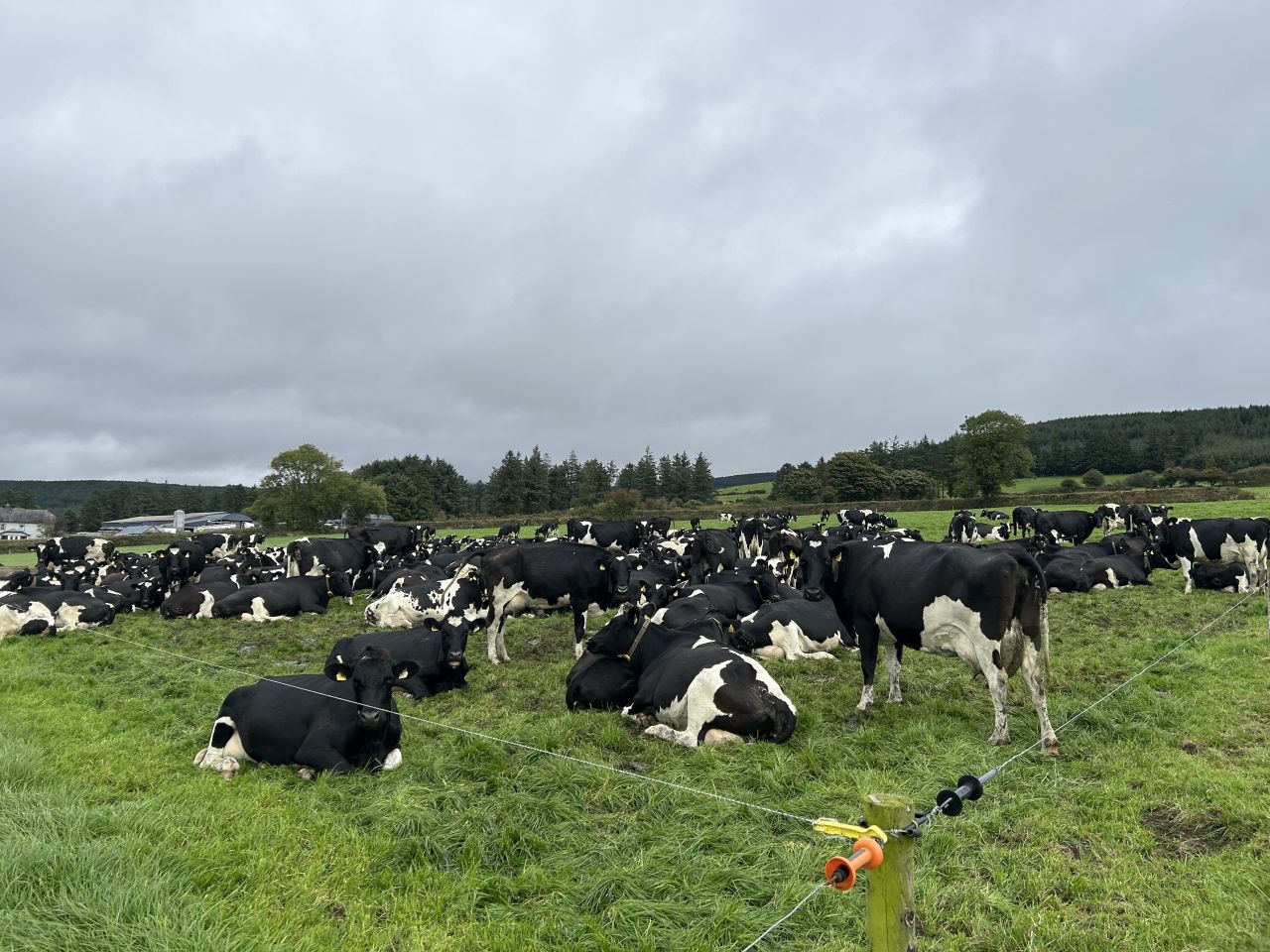
There is an abundance of grass on the majority of farms across the nation, but with minimal quality and nutrition in it, how is it affecting milk production?
The latest data from the Irish Cattle Breeding Federation (ICBF) shows that 125,310 cows have been recorded between October 6 and October 16.
This was a result of 1,196 milk recordings over the last 10 days, with an average herd size of 105, and bringing the total number of cows recorded in 2026 up to 1,126,052.
According to ICBF, the average production from the last 10 days has being sitting at 16.7kg/milk/cow.
Average fat is still up at 4.82%, while protein is sitting at 4.1%, equating to a total solids production of 1.48kg/cow.
This is back from average production in the last week of September, when cows were putting out 18.4kg/milk/cow at 4.64% fat and 3.94% protein, equating to 1.57kg of milk solids.
It is also back on the same week as last year, with cows producing an average 17.61kg/milk/cow at 4.74% fat and 4.09% protein, equating to 1.55kg of milk solids.
It is important to balance the diet now as grass quality falls off, altering ration and silage intakes to keep production up and get a healthy cheque to combat the tax bill.
Milk quality
One of the most important things you can do at this time of the year is ensuring the maintenance of milk quality.
Milk production is expected to die off, but staying eligible for bonuses will make a big difference to the cheque.
The average somatic cell count (SCC) for the herds recording in the past 10 days sits at 189,000 cells/ml, 10,000 cell/ml above the average at this time last year.
According to ICBF, only 56% of herd are below the 200,000 cells/ml threshold.
Meanwhile, 25% of herds are between 201,000 cells/ml and 300,000 cells/ml, 10% are between 301,000 cells/ml and 400,000 cells/ml, and a further 9% are above 400,000 cells/ml and most likely getting penalised.
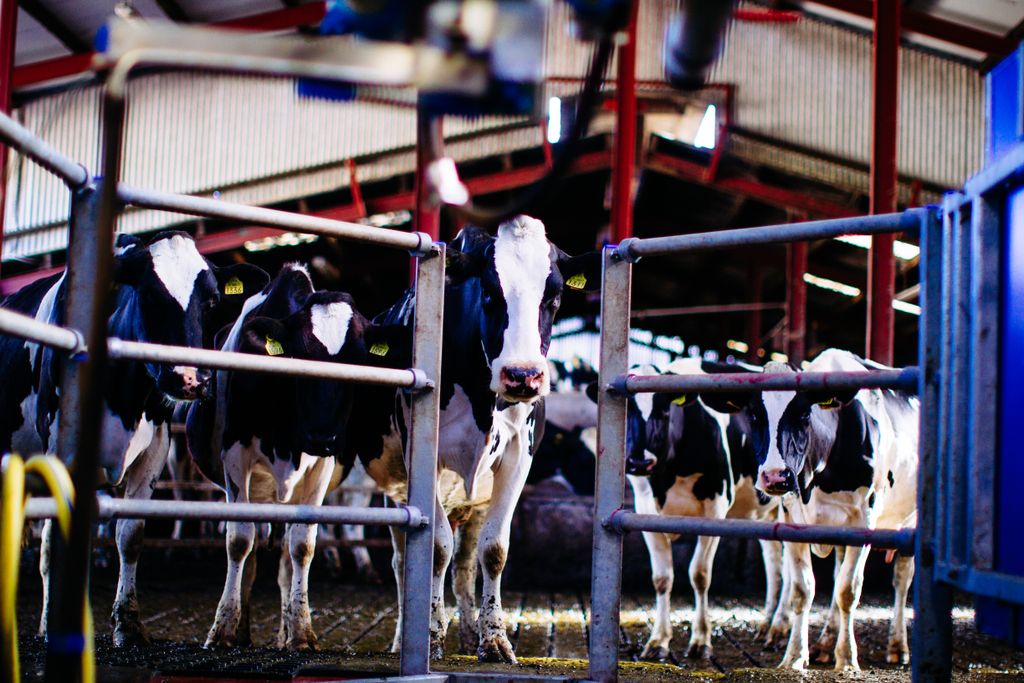
It is also important to keep an eye out for rising total bacterial counts (TBC) and thermodurics.
These issues often arise at this time of the year as farmers become lax with the milking routine, whether that be inadequate washing of the machine or poor hygiene standards while milking.
Controlling thermoduric bacteria in late autumn should be prioritised, as its risk increases at this time.
To combat it, keep the cows' environment clean, particularly yards and roadways.
In the parlour, ensure liners and rubber-ware are changed, and continue to descale the milking machine regularly.
The milking machine and bulk tank still need to be cleaned regularly, ensuring there is no residue visible, with the machine disinfected using a peracetic acid as the final rinse.
Even with milk production dipping, continue changing the filter sock and ensure your hot water is at a sufficient temperature (75-80°C).
If you have an automatic washing systems, check on it regularly to ensure detergent levels do not go astray.