Call for 'new story' in Irish farming narrative
Agriculture needs a "new story" that fundamentally reframes the key role of farmers in Irish society and the environment.
This was the message from the agroecology and small-scale production advocacy group, Talamh Beo, referring to initiatives such as 'Our Food Roots'.
The statement said such initiatives "represent a troubling misrepresentation of Irish agriculture".
Funded by industry and national organisations in food and farming, Our Food Roots (initially known as Food Connects) "brings Ireland’s agri-food sector together opening discussion into the people, the land, the care and the progress behind what we eat", Agriland reported previously.
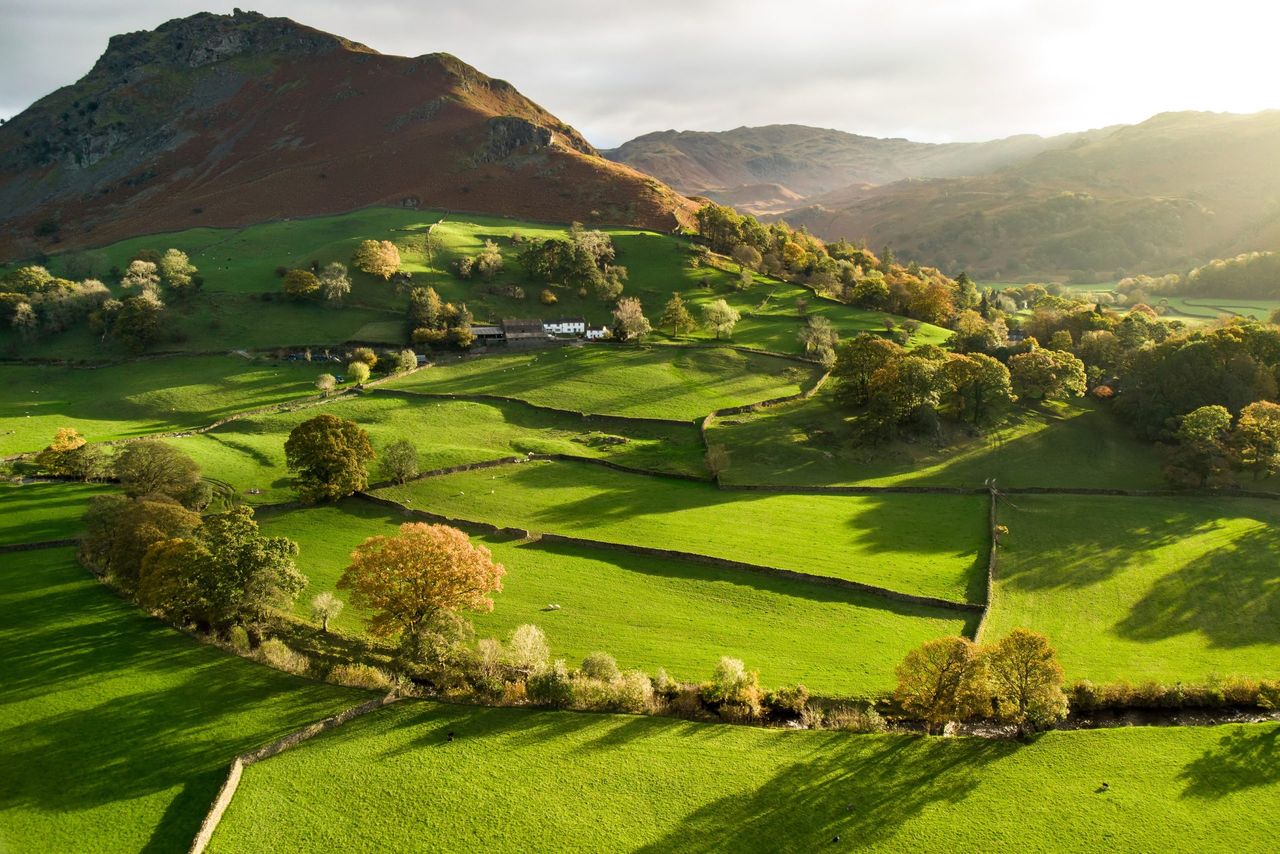
However, according to the statement by Talamh Beo, "the campaign relies on a familiar, emotive narrative: family farms, lush green pastures, traditional heritage, and 'Greatness From Grass'.
"But this idyllic storytelling performs a quiet act of cultural erasure.
"It co-opts the symbols of Irish rural identity to sell a narrow, one-dimensional identity: the farmer as an efficient supplier at the bottom of an industrial chain, whose worth is measured solely by export volumes and standardised output."
Talamh Beo said this messaging thoroughly cheapened "the depth of Irish farming culture".
"It erases the farmer’s crucial role as an ecological practitioner—building soil organic matter, protecting water catchments, fostering biodiversity, and holding generational wisdom about the land."
The statement said this narrative also omitted farmers "irreplaceable social role in the fabric of rural communities, supporting local food production, and keeping small towns and villages linked to the land around them".
In addition, elevating intensive monoculture beef and dairy as the sole definition of Irish agriculture, "the narrative pushes public perception away from the diversified, rescaled, and integrated food systems".
"[This is] desperately needed to meet the challenges of climate change, biodiversity loss, and rural vitality," the statement added.
New story
Talamh Beo proposed introducing a 'new story' in which people could reconnect with "our real food roots".
"[This] means recognising farming as a living part of our society and culture".
In addition, the advocacy group said, the diverse, ... multifunctional farms build soil organic matter, recycle nutrients, maintain species-rich grasslands, and sustain rural communities".
"They create space for ecosystems to thrive—allowing clean rivers, abundant wildlife, and nutritious local food to coexist alongside viable farming livelihoods."
Toolkit
On October 12, Our Food Roots launched a new communications toolkit to support the agri-food sector in communicating about Irish beef.
According to a statement by Our Food Roots, the toolkit was informed by "new consumer research, which highlights that almost two in three Irish adults say they hear conflicting messages about the role of red meat in a healthy diet, despite strong underlying belief in its nutritional benefits".
The research, commissioned by Our Food Roots was undertaken among 1,000 adults in Ireland during August, and found that 84% respondents believed red meat could form part of a healthy, balanced diet.
"At the same time, almost two in three say they hear conflicting messages about the role of red meat," according to the statement.
Insight and expert community manager at Our Food Roots, Richard Cooper, said:
“Consumers are engaging with a wide range of information and perspectives about food, nutrition, farming and environmental action.
"This toolkit is intended to give organisations a practical resource to help them communicate clearly and responsibly in that environment.