Autumn grass management tips for a successful spring on sheep farms

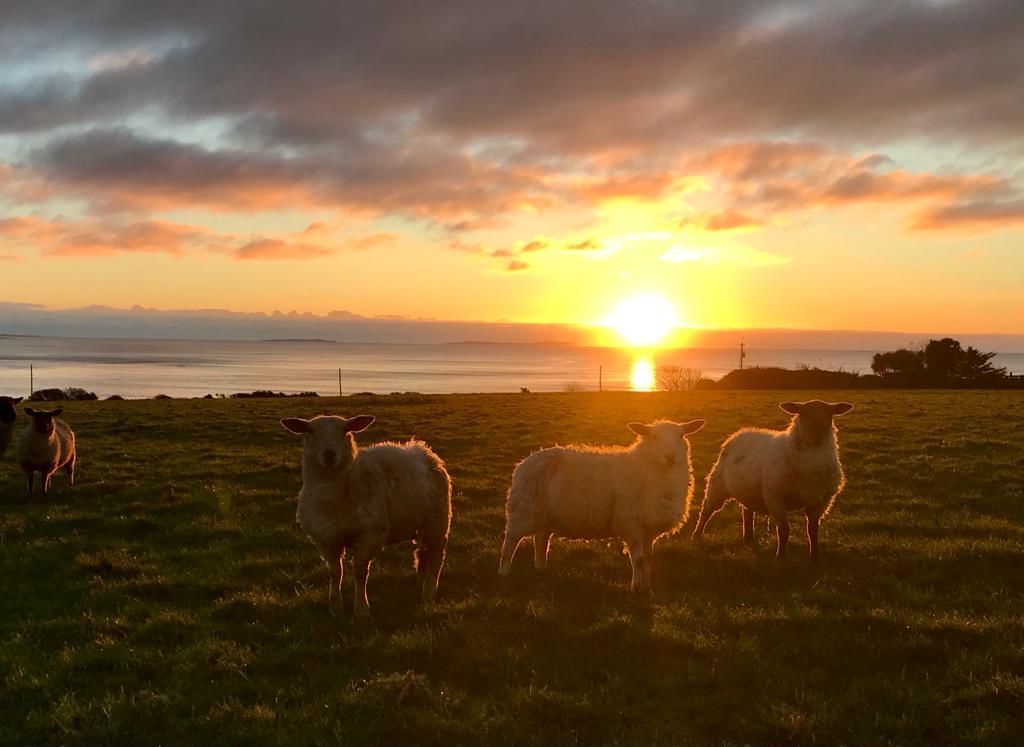
Autumn is the starting point of the grassland year, Teagasc has said.
Management and decisions made in this period have a direct effect on the quality and availability of grass the following spring.
Dr. Philip Creighton of Teagasc's Animal and Grassland Research and Innovation Centre in Athenry, Co. Galway, has shared some key advice.
Dr. Creighton said: "To ensure adequate grass availability for ewes at lambing in March, you should begin to close paddocks from mid to late October onwards.
"This is important so we can build cover while grass growth is still active."
He stressed that very little grass will be grown during December and January.
"When grass growth starts to increase again in February and March, it is the earlier closed fields that will respond quickest to the increasing temperatures and an early application of fertiliser," he said.
Extended grazing system
Dr. Creighton explained that where winter housing is not available or practical, ewes can be managed in an extended grazing system on grass built up earlier in the autumn with grass allocated daily or every second day.
He said: "Ewes could also be wintered on forage crops, away to winter grazing or with hay/silage and concentrate supplementation outdoors.
"The important thing is that the sheep are confined to a smaller area of the farm (less than 20%) allowing grass supplies to build on the majority of the area."
He said the temptation to re-graze closed fields in December/January will always be there.
This is especially in years where autumn grass supply is good or where winter feed reserves are low or poor quality, but this grass is "worth much more in the spring to the freshly-lambed ewe than in mid-pregnancy".
"A ewe’s feed requirement in mid-pregnancy is approximately half that of a ewe in early lactation producing milk for two lambs," Dr. Creighton added.
Key points
He said that the first paddocks closed should be sheltered and close to the lambing area.
"Where autumn grass covers are high, an electric fence can be used to reduce the area available for grazing at any one time to make ewes graze down to the desired post-grazing height of around 4cm," he said.
"It is important to clean swards out as tight as possible when closing, as carrying higher residuals over winter will lead to a lot of dead material accumulating at the base of the sward which will depress grass growth in the spring and reduce quality."