Could rare breeds like Droimeann cattle help fight wildfires?

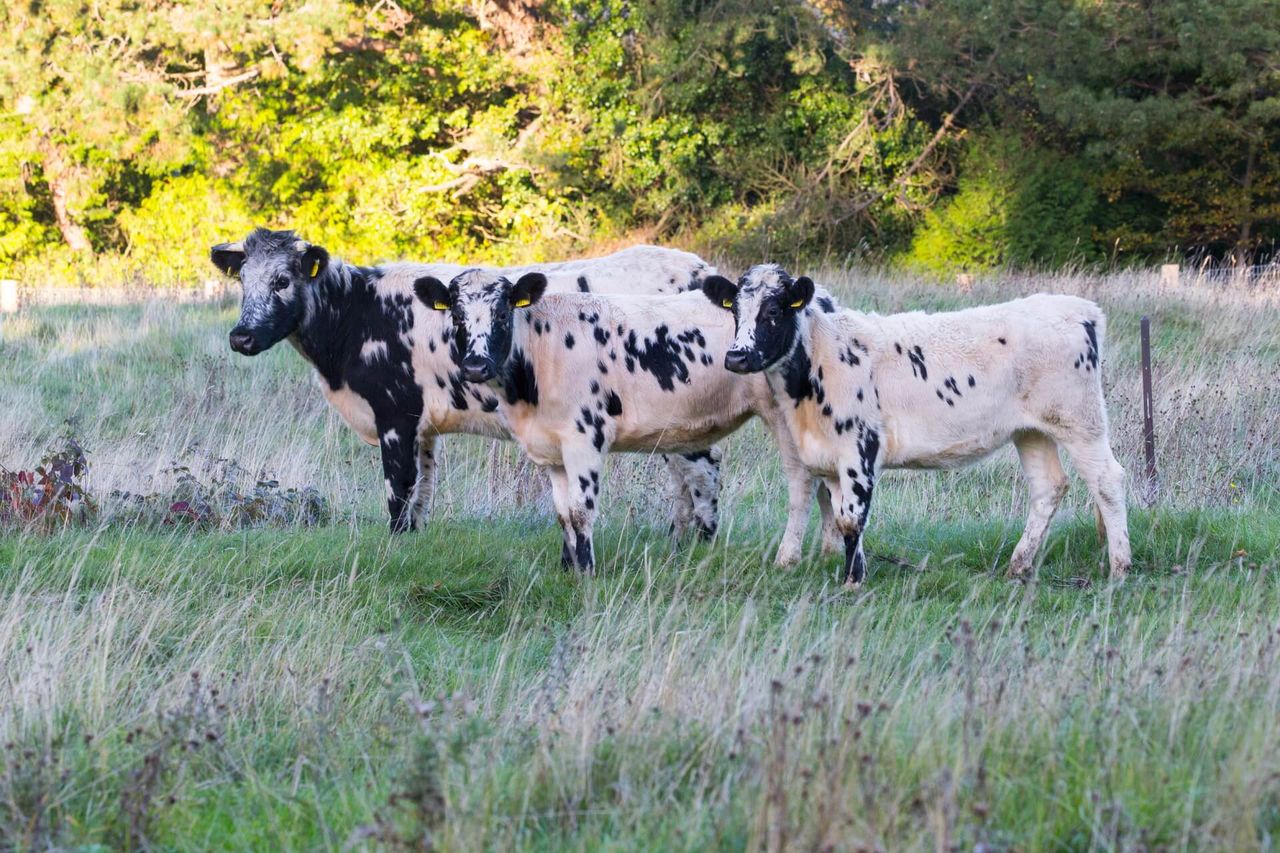
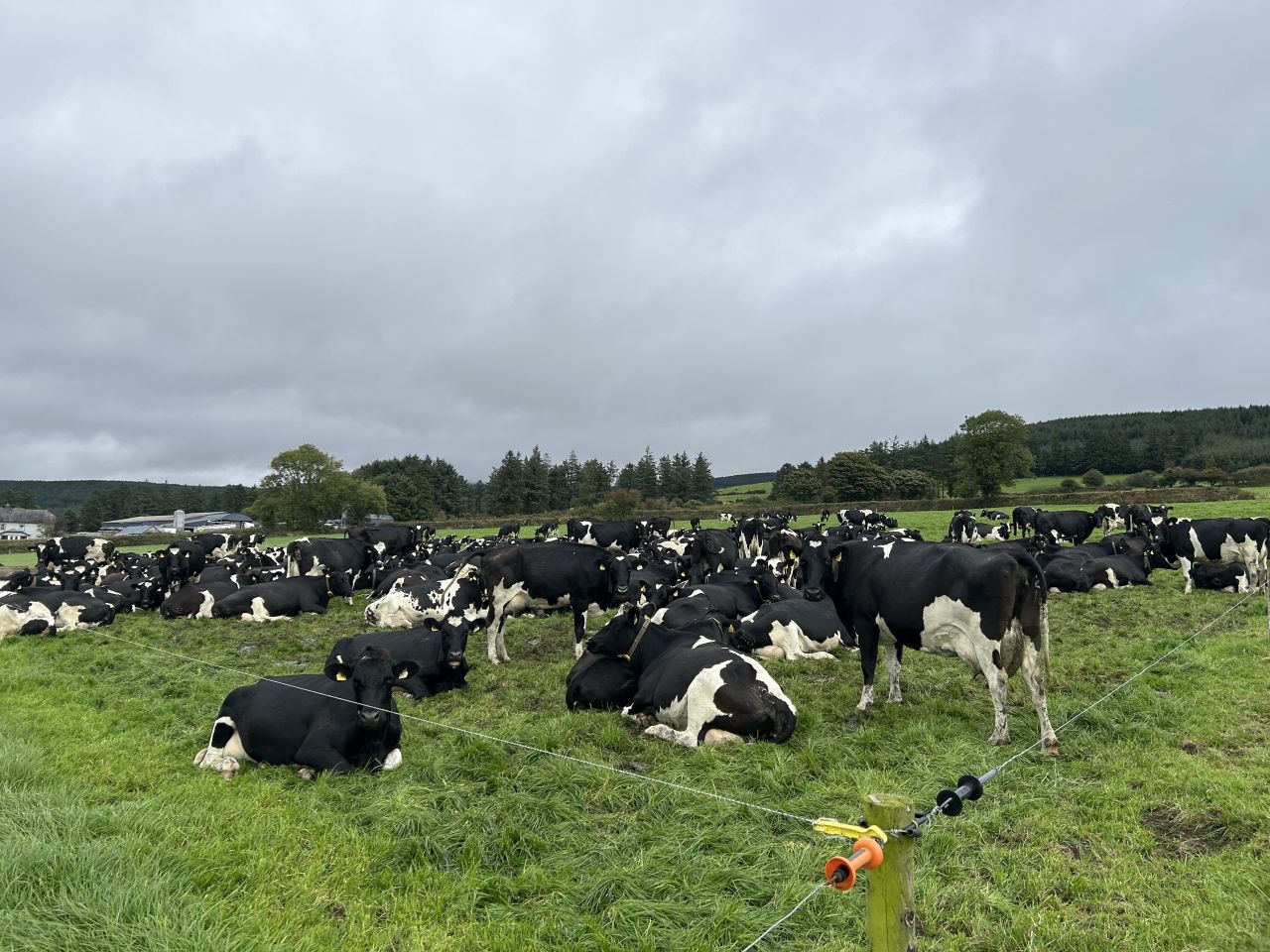
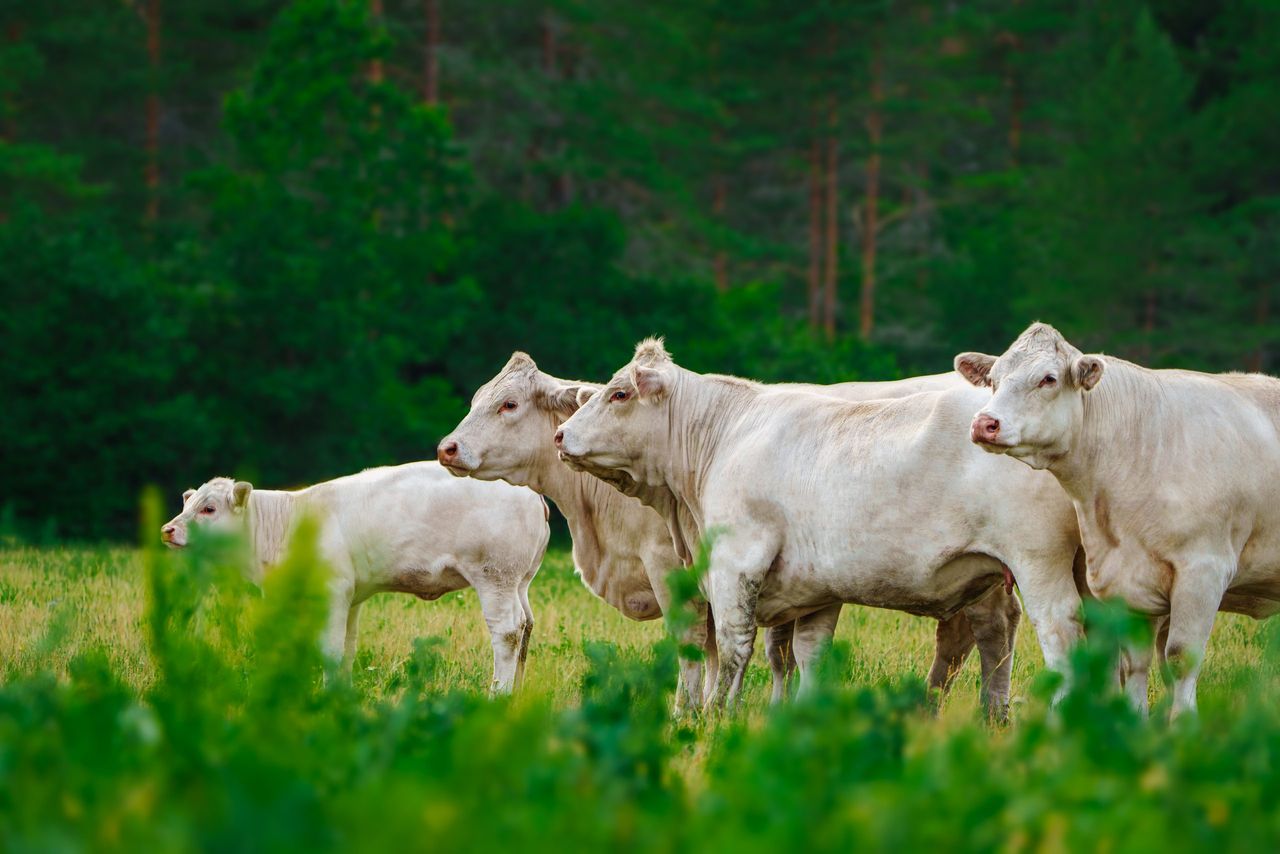
Rare cattle breeds such as Dexter and Droimeann may soon find themselves joining fire-fighting teams in efforts to combat wildfires.
The idea was raised in the Dáil, with Minister for Agriculture, Food and the Marine Martin Heydon acknowledging the potential of livestock grazing as a wildfire prevention measure.
The minister also outlined resources related to rare livestock breeds in the context of wildfire mitigation.
He was responding to Independent TD Mattie McGrath, who asked the minister if his department has considered the use of native rare cattle breeds for conservation grazing on upland and mountainous areas, including Slievenamon, as a means of reducing excessive vegetation growth and mitigating wildfire risk.
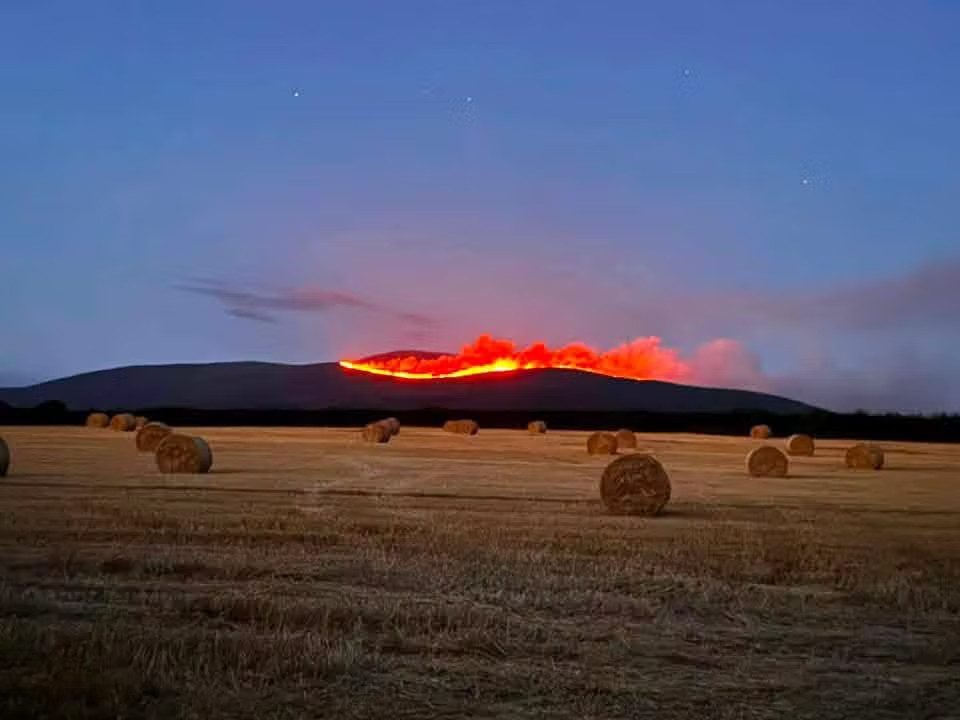
The Tipperary South TD also enquired about grants or support schemes available, or being considered, to assist farmers and landowners in undertaking such conservation grazing projects.
Minister Heydon replied that his department recognises the potential role of appropriately managed conservation grazing in maintaining upland habitats, supporting biodiversity and controlling vegetation growth.
He said: “Appropriate livestock grazing can also reduce the accumulation of combustible vegetation and contribute to mitigating wildfire risk as part of wider land management.
“Native rare breeds are an important part of Ireland’s agricultural heritage and a valuable genetic resource.”
According to the minister, the Department of Agriculture, Food and the Marine (DAFM) recognises Dexter, Droimeann, Irish Moiled and Kerry cattle as native rare bovine breeds.
He said: “Each is supported by an approved breeding programme operated by its recognised breed society in accordance with EU Animal Breeding Regulations.”
Grants
Minister Heydon explained that DAFM provides annual grants to eligible organisations to assist in conserving Irish rare breed farm animals.
He said: “These grants support activities such as DNA analysis, promotion and equipment purchase.
“Funding is also available to organisations under the Genetic Resources Grant Aid Scheme for projects supporting the conservation and sustainable use of genetic resources for food and agriculture.”
On the conservation grazing angle, he said that hardy, smaller cattle breeds, such as Dexter cattle, may be suitable for conservation grazing where their characteristics match the terrain, vegetation and habitat management objectives.
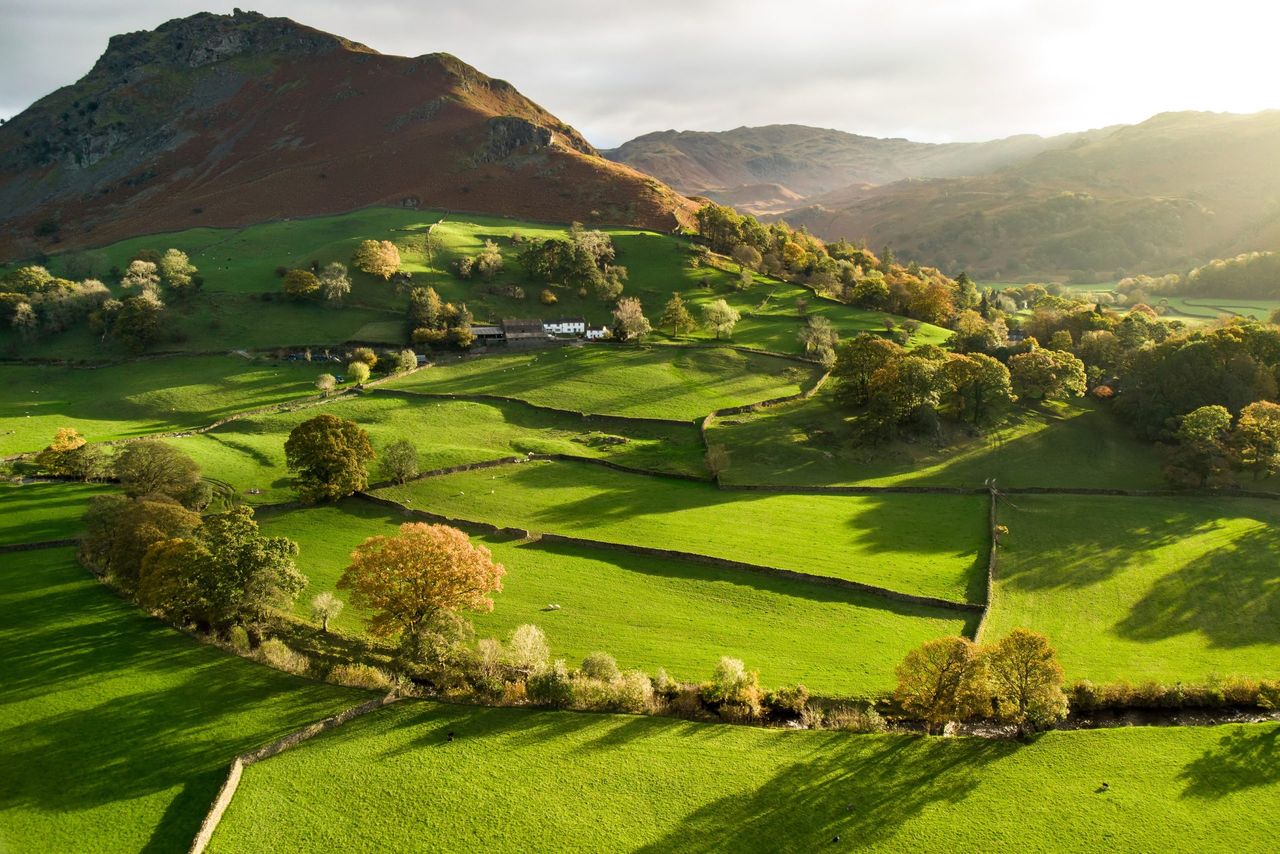
The minister said: “For upland and mountainous areas, including Slievenamon, suitability would need to be assessed locally.
“Grazing levels and timing should protect sensitive habitats and soils while achieving the intended vegetation management outcomes.
“Adequate water, fencing, access and animal welfare arrangements are also essential.”
Conservation grazing
Livestock has been used in wildfire prevention before, including in Ireland, Minister Heydon pointed out.
He said: “I understand that conservation grazing for wildfire prevention was successfully introduced in Howth Head with the Old Irish Goats.
“The Old Irish Goats were carefully managed and targeted areas to reduce gorse and bracken, maintain wildfire breaks and reduce combustible vegetation.
“My department provides supports for native rare breeds and their breeders, alongside wider measures supporting biodiversity and sustainable farming.”
Minister Heydon went on to reference the ‘Conservation of Rare Breeds’ resource in Agri-Climate Rural Environment Scheme (ACRES), which provides support for "retaining and increasing the population of specific rare breeds”.
The minister said that another action within ACRES incentivises farmers to help ensure that habitats on commonage lands are maintained/restored to good condition through appropriate management practices.
ACRES and grazing
Minister Heydon said: “There are three Landscape Actions available to participants in the ACRES Co-operation approach that are relevant to conservation grazing on upland and mountainous areas, namely: Post Fire Molinia Management; Targeted Grazing (Bovines on Molinia); and Virtual Fencing.
“While I understand that Slievenamon does not fall within an ACRES Co-operation zone, the availability of these actions shows the support being made available to ACRES participants in the eight ACRES Co-operation zones, a lot of which have upland and mountainous areas.”
The minister also said that his department is contributing to implementation of the Nature Restoration Regulation alongside the National Parks and Wildlife Service and other departments.
He said: “The approach is to build on existing programmes, with restoration measures involving private landowners being voluntary and appropriately incentivised.”
The minister added: “Any consideration of additional support for conservation grazing would need to take account of conservation objectives, practical delivery costs, available funding and measurable environmental benefits.”