Mercosur contra to 'everything preached to Irish farmers for decades' - Beef Plan

The Beef Plan Movement (BPM) regards the proposed Mercosur free trade deal with the EU as a strategic, long-term threat to the Irish beef industry.
In the short-term, however, the Irish beef farmers' organisation recognises that shortfalls in European beef output will be a dominant factor in delivering relatively robust cattle prices in 2026.
BPM attributes this to the fall-off in calf births to the impact of bluetongue in 2024.
However, European calf numbers look set to return to pre-bluetongue levels during the period ahead.
BPM general manager, Nadaline Webster commented: “The Irish government's official position, as stated in its Programme for Government, is to work with like-minded EU countries to oppose the current Mercosur deal until sufficient assurances are provided to protect Irish farmers and interests.
“However, regardless of the sufficiency of 'assurances', the fact remains that the Mercosur deal will permit increases in the volume of beef imported from these countries across Europe, including Ireland.”
Webster highlighted that the Mercosur beef "comes at a much higher climate and environmental cost" than beef produced in Ireland.
"It will significantly contribute to the ongoing destruction of the Amazon rainforest, known as the 'lungs of the world'," she continued.
“At a time when the Irish Cattle Breeding Federation is basing its breeding index on low carbon Irish beef, pushing farmers to breed for emissions reductions rather than food quality, it is inconceivable that we would agree to increase emissions elsewhere.”
Mercosur trade deal
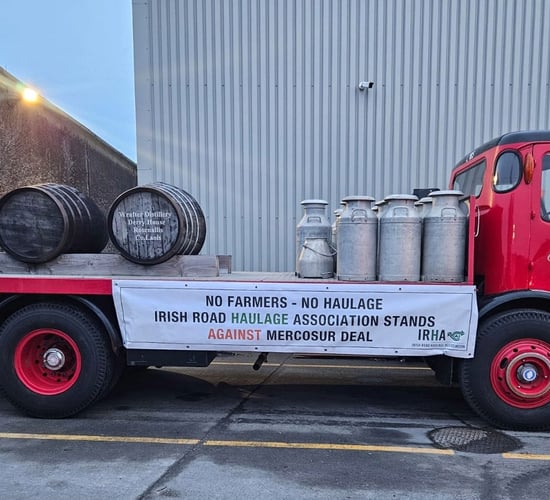
Commenting on the anti-Mercosur protest planned for Athlone on Saturday (January 10), the BPM representative said that the proposed trade deal will further "cripple" Irish farmers already meeting stringent demands of climate, water quality, biodiversity, animal and public health with "a flood of products that do not meet these standards and can afford to significantly undercut the market price".
“There is no reasonable way to view support for this deal as other than off-shoring emissions by utilising regulations and restrictions, based on climate and health concerns, as a way to reduce farms and food production in Europe while abandoning those same principles in order to sell cars and other goods in South America," Webster added.
“This is a moment when all eyes are on these groups, and more besides, to see if they will take a vehement and public stance against a deal that goes against everything that they have preached to Irish farmers for decades.”