EU member states agree to scrap 2-pillar CAP structure


Minister for Agriculture, Food and the Marine Martin Heydon has said that EU member states have agreed on the format of the next Common Agricultural Policy (CAP) for the period 2028 to 2034.
This 'partial general approach' will form the basis of the Council of the EU's opinion when it starts negotiations with the European Parliament on the next CAP.
Therefore, this agreed approach from member states will not necessarily reflect exactly how the next CAP will look.
The agreement by member states would see the end of the traditional two-pillar CAP approach, to be replaced by a single funding structure.
It is understood that the agreement by member states does not outline any funding amounts, as this will be decided through the EU's long-term budget; the agreement does however give an indication of how payments will be made through the next CAP.
The agreement retains several aspects of the CAP proposal made by the European Commission in 2025, including the National and Regional Partnership Plans (NRPP), which will place CAP funding into a single pot of funds that includes other, non-CAP, funding priorities.
Each member state would prepare a single national plan, replacing the current separate plans and programmes covering cohesion, agriculture, fisheries, migration, security and the Social Climate Fund.
The agreement says that the new Degressive Area-Based Income Support (DABIS) - effectively the replacement for the Basic Income Support for Sustainability (BISS) - would simplify the current payment system while allowing support to reflect the circumstances of individual farms.
The aim of this is to improve the distribution of funding, with particular attention to active farmers, young farmers and small farmers.
Member states will have the option of including a redistributive mechanism within DABIS, similar to the Complementary Redistributive Income Support for Sustainability (CRISS).
Member States would be required to establish a definition of an active farmer to help ensure that support reaches its intended beneficiaries.
Countries would have some flexibility on how to define an active farmer.
Member states would be required to provide higher DABIS support for young farmers, as part of efforts to make farming a more attractive and accessible career for young people.
The member states' agreement features a dedicated starter pack for young farmers that would bring together a range of measures designed to facilitate entry into farming.
A new 'farm stewardship framework' would form the basis of agri-environmental actions in the next CAP.
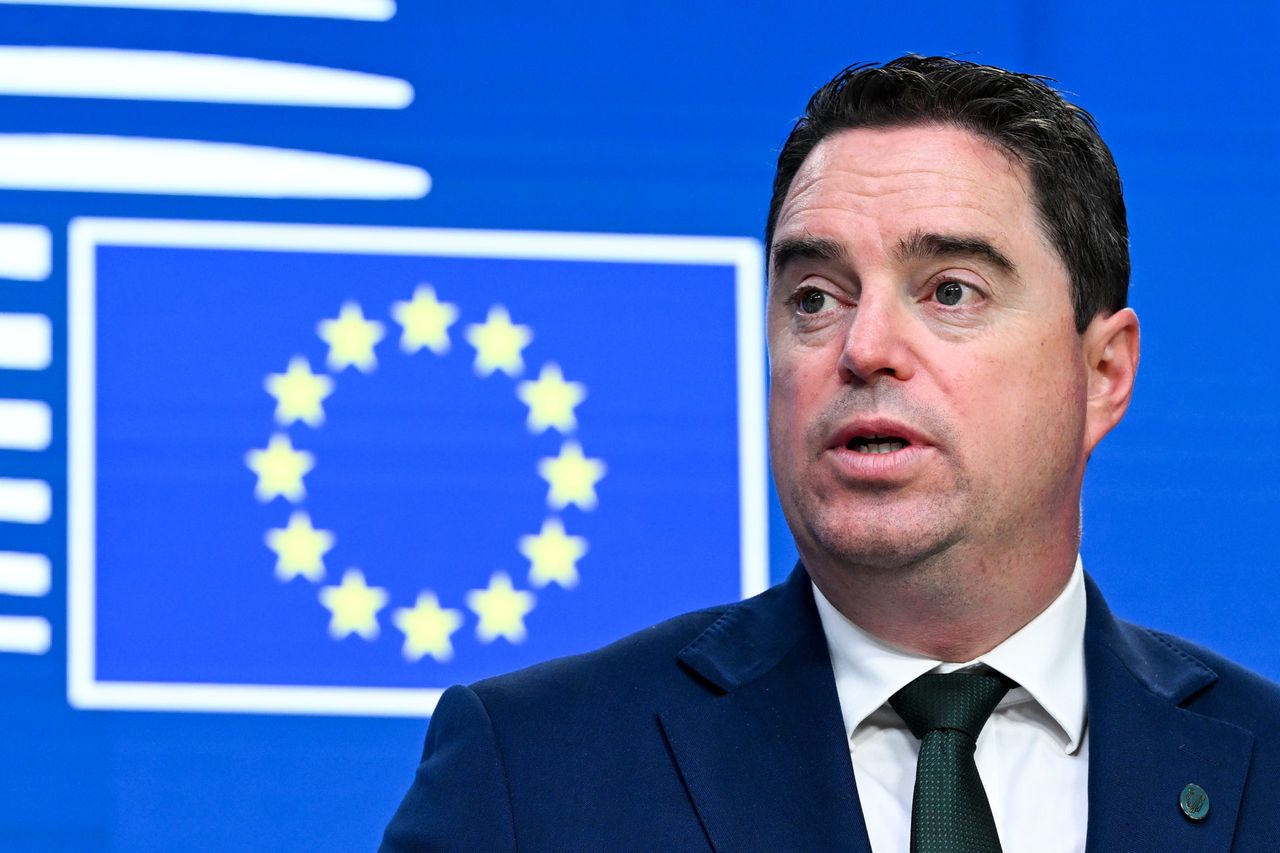
Heydon
Speaking after chairing the council meeting in Luxembourg on Monday (October 26), Minister Heydon said: "This is a major milestone on the road to the next CAP, and follows months of intensive engagement with member states and the European Commission to develop a balanced compromise.
"This unanimous agreement is the council's blueprint for a flexible and farmer-focused CAP to support the next generation of European farmers," Minister Heydon added.
"Today’s agreement at council is an important step, but it is not the end of the process.
"The council’s position will now provide the basis for negotiations with the European Parliament on the final shape of the regulation."
According to Minister Heydon, there is "continuity" between this current CAP and the next one, despite the changes to the structure.
"The CAP is central to supporting farmers, maintaining food production and sustaining rural communities across Europe.
"The agreed text provides a framework that combines a common European approach with the flexibility member states need to respond to their own agricultural circumstances," he commented.