Farm focus: Waterford farmer leading the way to support water quality

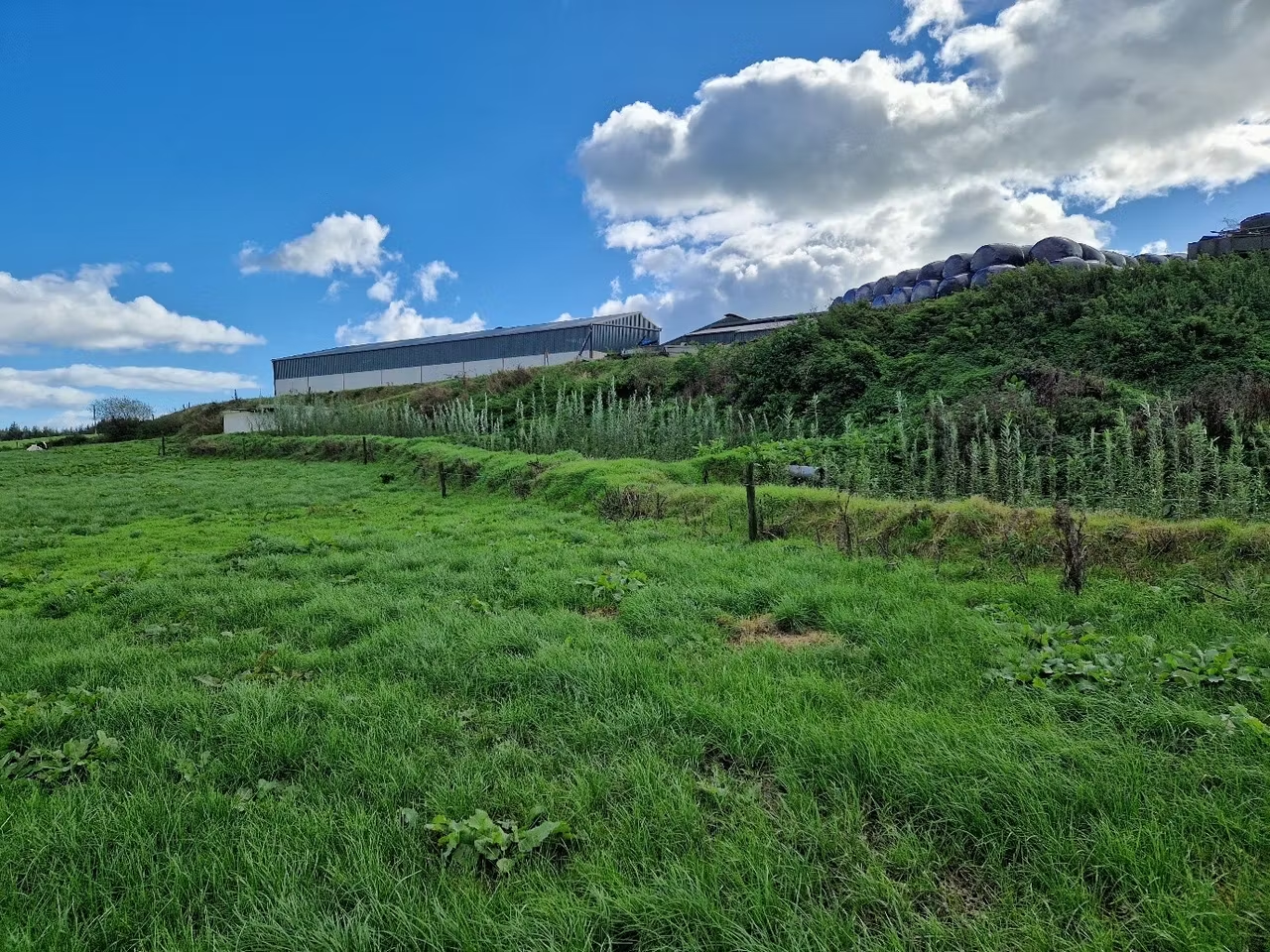
A dairy farm in Carrigeen, Ring, Co. Waterford is demonstrating how targeted environmental actions, advisory support and investment can work together to protect water quality and enhance one of Ireland's most sensitive freshwater habitats.
The farm, operated by Michael Dower, is located within the Licky catchment, a waterbody that supports habitat critical to the endangered freshwater pearl mussel.
Through ongoing participation in the Agricultural Sustainability Support and Advisory Programme (ASSAP) and support from the Farming for Water European Innovation Partnership (EIP), the farm has undertaken a range of voluntary measures designed to reduce the risk of sediment, nutrient and contaminated runoff reaching local waterways.
The project aims to show how sustained engagement between a farmer and adviser can lead to environmental improvements while maintaining a productive and viable farming enterprise.
Waterford farm
The journey on the Dower farm began in 2020 when Teagasc ASSAP adviser Marie Kearney carried out an initial assessment.
This identified several potential pathways through which nutrients, sediment and dirty water could enter nearby streams and, ultimately, the River Licky.
Previous consultations had also been held with Cathal Somers of Teagasc and a plan was formed.
Key risks included:
- Runoff from silage slabs and farmyards;
- Drainage connections from working areas, farm roadways, and gateways;
- Livestock drinking points along streams;
- Challenges associated with nutrient management and soil fertility planning.
Michael Dower's proactive approach had mitigated many of these potential risks even before the EIP came into the picture, but by engaging with the Farming for Water project he has gone the extra mile.
Right measure in the right place
Rather than focusing on a single solution, the advisory process developed a comprehensive strategy based on the principle of delivering the "right measure in the right place".
This approach sought to: prevent pollution at source; improve water management infrastructure; intercept runoff before it entered watercourses; and enhance nutrient-use efficiency across the farm.
The result was an integrated package of measures designed to strengthen environmental protection while supporting day-to-day farm management.
In October 2024, Michael received approval for a €14,006 Farming for Water EIP package to support the implementation of targeted water-protection measures.
The package included: investment in a willow filter bed, a bespoke water-quality measure; a nitrogen surplus plan; earthen bunds; rainwater management planning; contractor mobilisation; and farmer training.
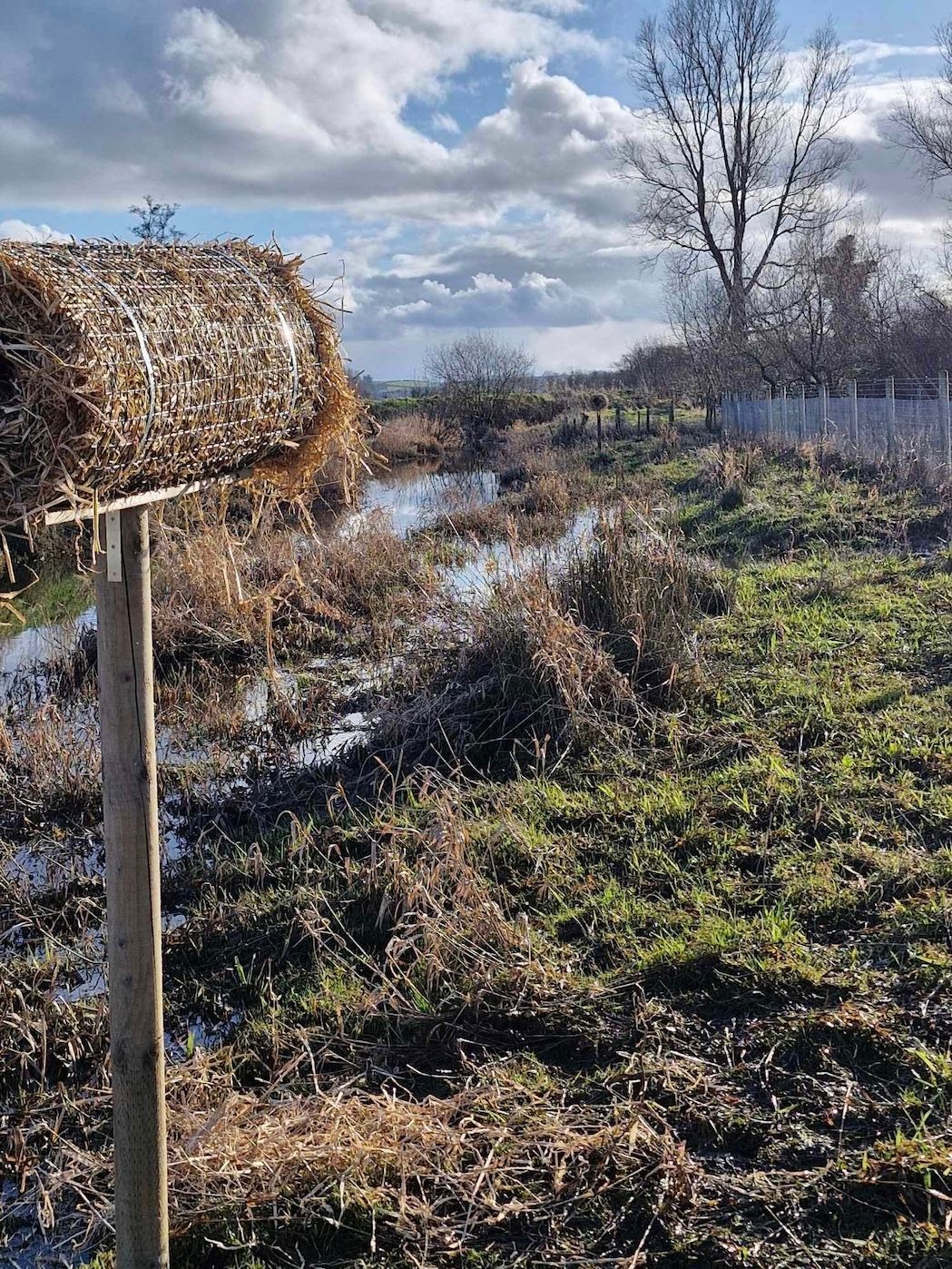
One of the most innovative elements of the project was the installation of the 200m willow filter bed, designed to treat runoff from farmyard areas.
Previously, grey water from the yard (pictured below - slide right for further images) had the potential to flow into field drains or pass across a sacrificial paddock.
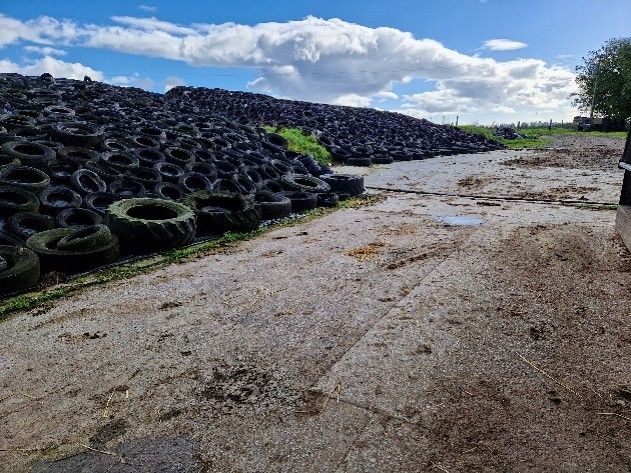
The willow filter system slows water movement, captures fine sediment, and promotes nutrient uptake through willow vegetation and natural evapotranspiration processes.
The filter bed forms part of a wider treatment system and complements other measures such as clean-water separation, improved drainage management and enhanced slurry storage.
Michael said: “I have always been conscious of water quality in the river and I have been proactive for many years in terms of how I run my farm.
"For many years the field was acting as the filter with the water from the yard soaking away to it from a blocked drain.
"Through the EIP, I was able to redirect the grey water from the farmyard into a settlement tank and then into the willow bed.
"The willow slips have grown from 9” to 11ft in height in just 10 months and they are soaking up the nutrients contained in the water. They are doing exactly what they are supposed to do,” he added.
Michael had a digger on site for a few days to dig out the willow bed.
In terms of space lost, there was very little. The total claimed was about 7m into the field, by the length of the willow bed, however the drain had already taken up a few metres of that, so the loss was minimal.
"When you consider that the field would have been flooded a lot in the past because of the runoff from the drain, I am losing very little ground really," Michael said.
"I am looking forward to seeing the difference this winter – that will be the real test."
Alongside the EIP-supported measures, the Dower farm invested in additional covered slurry storage capacity during 2024 and 2025 increasing the farm's total slurry storage to 2,073.3m³.
This provided a surplus of almost 193m³ above the calculated storage requirement.
This additional capacity gives Michael greater flexibility to apply slurry only when weather and soil conditions are suitable, helping to minimise the risk of nutrient losses to water.
The farm has also blocked direct yard-drain connections, reducing the possibility of contaminated water reaching streams.
There is also a detailed nutrient management plan that guides fertiliser and slurry applications on a field-by-field basis.
These measures not only help protect water quality, but also improve nutrient efficiency, ensuring nutrients are applied where crops can make best use of them.
Important habitat
The River Licky forms part of a wider catchment that contains habitat important for the freshwater pearl mussel, one of Ireland's most threatened aquatic species.
Freshwater pearl mussels require exceptionally clean rivers with stable gravel beds, low nutrient levels and minimal fine sediment.
Even small increases in sediment or nutrient loading can affect habitat quality and reduce the species' chances of survival.
Protecting and restoring water quality in the Licky catchment is therefore essential for the survival of this species and the wider river ecosystem.
- The Licky river is located with within the Munster Blackwater catchment; it is one of Ireland's most important freshwater pearl mussel rivers;
- The Licky is reaching its goal of good ecological status water quality under the Water Framework Directive;
- Fewer than 50 rivers worldwide are believed to support internationally important recruiting populations of freshwater pearl mussels, highlighting just how rare and threatened this species has become;
- Freshwater pearl mussels are often described as the 'canary in the coal mine' for river health. Their survival depends on exceptionally clean, well-oxygenated rivers, so declining mussel populations are a warning sign that water quality is deteriorating.
While ecological recovery can only be confirmed through long-term monitoring, the measures adopted on the Dower farm address many of the pressures known to impact sensitive river habitats.
Farmers are leading the effort
There are 79 measures approved by the EIP team in the Licky catchment with eight other farmers also included in the programme.
By slowing runoff, reducing nutrient losses and improving the management of farm-generated water, the project contributes to wider efforts to maintain and improve the ecological condition of the River Licky.
Michael added: “I want to ensure that the good water quality status remains in the Licky and so anything I can do to help that situation I am willing to do.
"Others in the catchment are playing their part as well and thanks to the EIP and ASSAP programmes it has been possible to implement these measures.
"It is a very simple, straight forward process designed by the adviser and I am delighted with the way it has worked out."
The continued engagement between the farmer and adviser helped identify risks, develop practical solutions and maintain momentum through implementation.
The work also underlined the importance of verification and maintenance.
Structures such as bunds, sediment traps and filter beds need to be regularly inspected, particularly after heavy rainfall, to ensure they continue to function as intended.
The project on Michael Dower's farm has even attracted international attention.
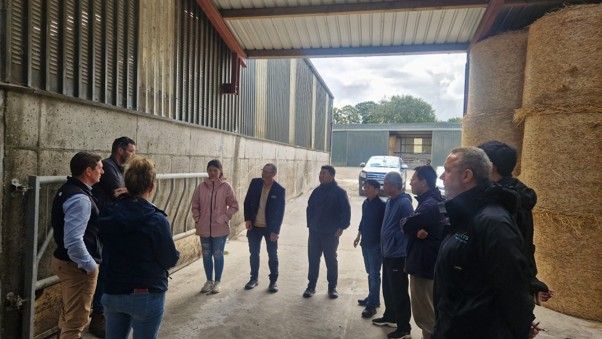
In August 2026, representatives from the River Basin Management Service, the Farming for Water EIP team, and Teagasc, welcomed researchers from the Chinese Academy of Agricultural Sciences to the area.
The visit showcased Ireland's catchment-based approach to improving water quality through farmer-led action.
It also provided an opportunity to exchange knowledge on sustainable agriculture, environmental protection, and nature-based solutions.