Advantage Beef Programme

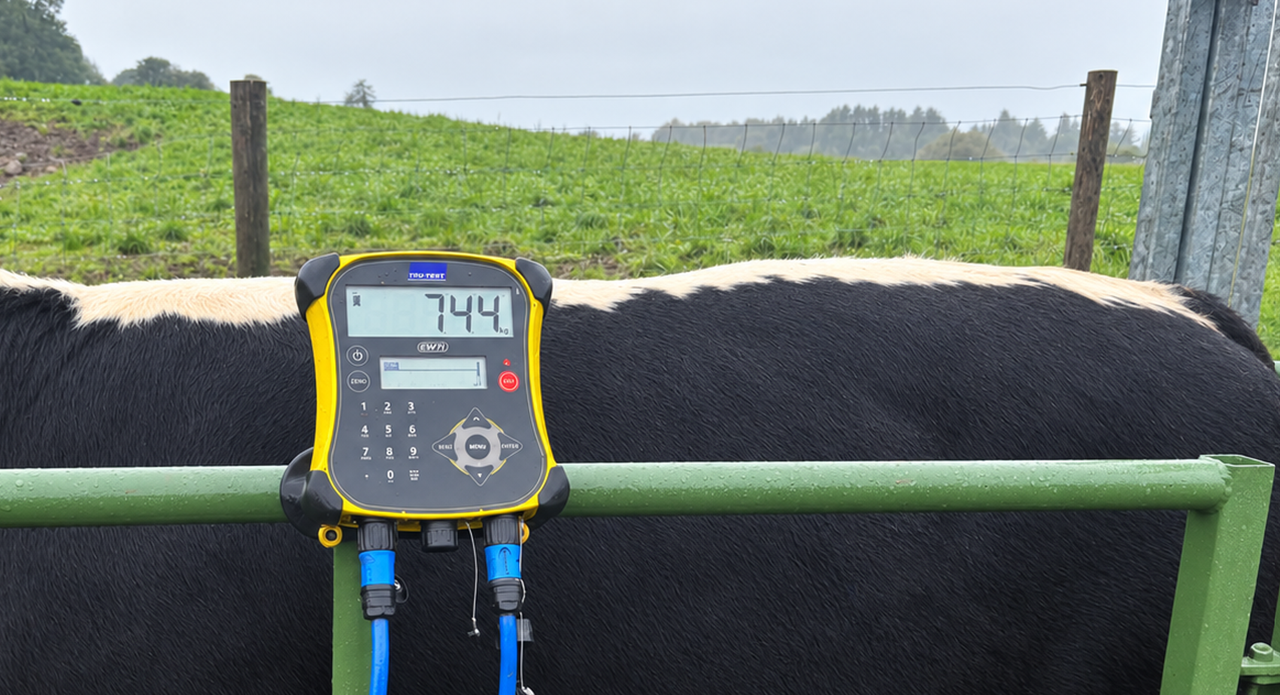
Of these, 110 were heifers. Only 14 bullocks have been slaughtered to date due to heifers generally reaching slaughter specification at an earlier age.
Of the heifers slaughtered to date, 50 of these were drafted from the cattle sent to the Irish Cattle Breeding Federation (ICBF) Tully Progeny Test Centre on Monday (October 19).
Every year, the ABP Demo Farm sends approximately 50 heifers and 100 bullocks to the national beef cattle research facility for performance recording, feed intake evaluation, and environmental testing.
The 100 bullocks from the ABP Demo Farm at the facility are expected to be factory fit within the coming month.
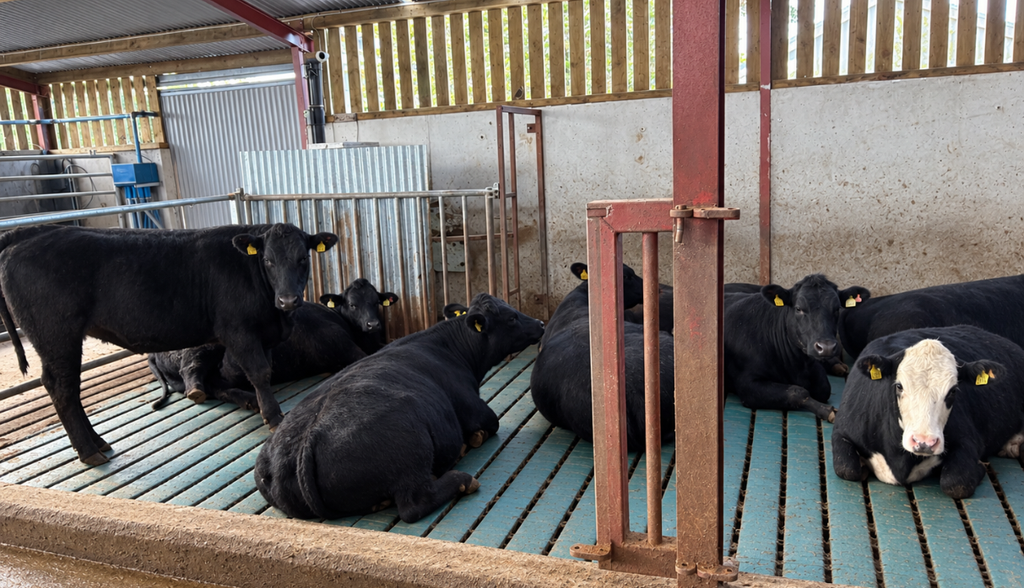
ABP Demo Farm manager Matthew Quinn outlined the performance of the cattle slaughtered to date.
He said: "The first 60 heifers from the demo farm averaged 272kg carcase weight with an average grade of 'O+3='.
"The first 14 steers slaughtered from the fam averaged 354kg carcass weight at 19–20 months-of-age with six steers grading an 'R' and eight steers grading an 'O', with grades ranging from 'R+3+' to 'O=3='."
The top-performing three steers slaughtered to date were:
- Angus (Sire: AA9860) with a CBV of €307 graded a 'R+3+' with a 410kg carcass at 20 months-of-age;
- Angus (Sire: AA9860) with a CBV of €206 graded an 'R-3-' with a 385kg carcass at 20 months-of-age;
- Speckle Park (Sire: SP7494) with a CBV of €184 graded an 'R-3-' with a 385kg carcass at 20 months-of-age.
Commenting on the kill-out performance of the cattle to date, the farm manager said kill-out percentages are generally running at 50-51% but up to 53% has been achieved for some of the better-performing cattle so far.
On carcass weights, Quinn said: "The heifers from Tully were exceptionally good this year and so far, carcass weights are probably up on last year overall.
"The cattle had a good year at grass and were housed just as the drought started to bite on grass supplies."
He said that the drought this year resulted in cattle being housed for finishing about a week earlier than usual.
Performance of spring-2026-born cattle
The farm manager said that the drought this summer had more of an impact on calf performance than on the performance of the older cattle.
Calves were weighted last week (Monday, October 12) and had an average liveweight of 222kg.
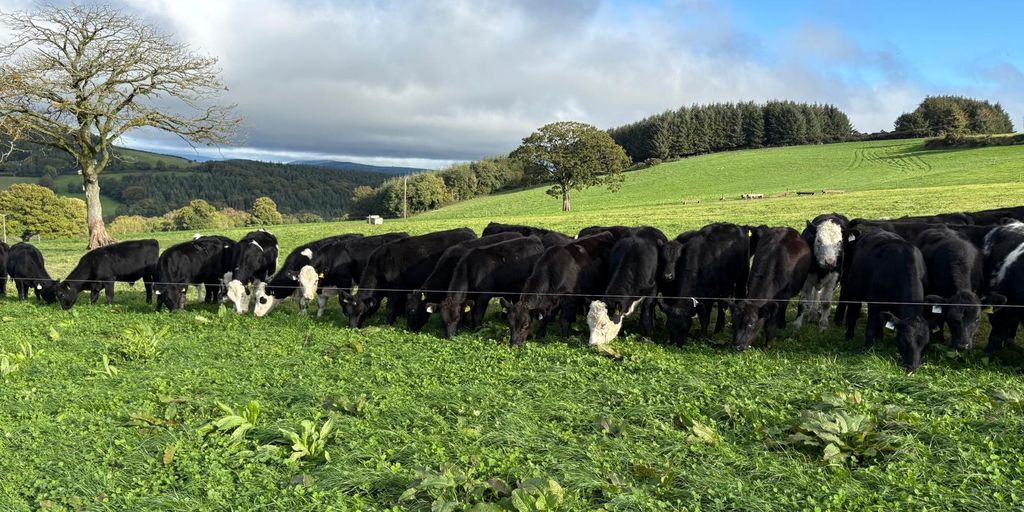
All calves weighing under 200kg have been housed. Other calves will be housed as pens come available as older cattle are moved on to the factory.
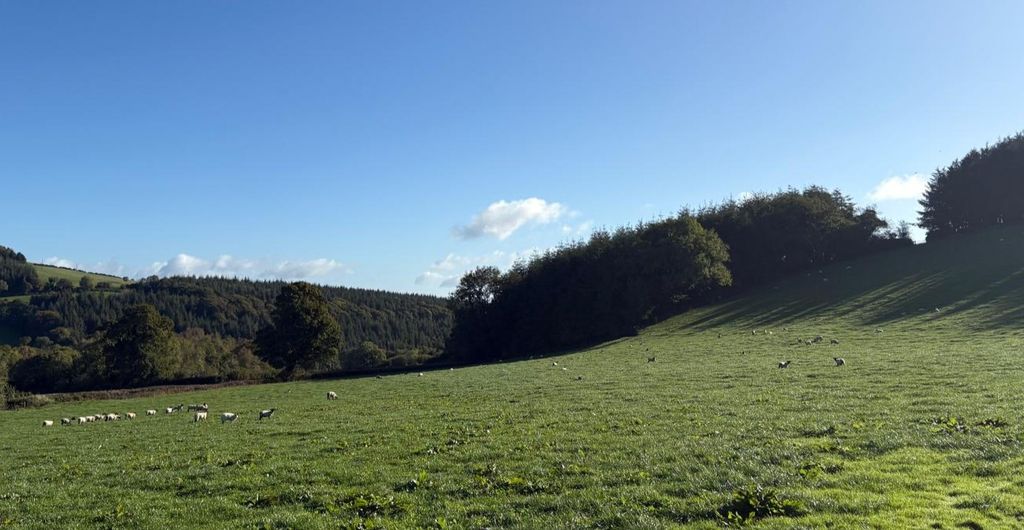
Grass covers have bounced back well on the farm in recent weeks, with the average farm grass cover currently at approximately 840kg dry matter (DM)/ha, which Quinn noted is relatively high.
All calves received a double-shot pneumonia vaccine in spring and were given a booster shot in September.
At housing, calves' backs are clipped and they receive a pour-on treatment for lice. Dung samples are taken post-housing and calves are dosed if needed.
Calves still at grass are getting 2kg/head/day of concentrates and the plan is to have all calves housed by December.
From then on, they will be offered a low-protein nut with red clover silage, grass silage, and beet.
Over 700 store lambs have been bought in also. These will remain on grass over the winter.