Hunting ban alone can't save declining bird species

Calls to remove bird species from the open season order of hunting must address all pressures affecting birds and outline a recovery plan.
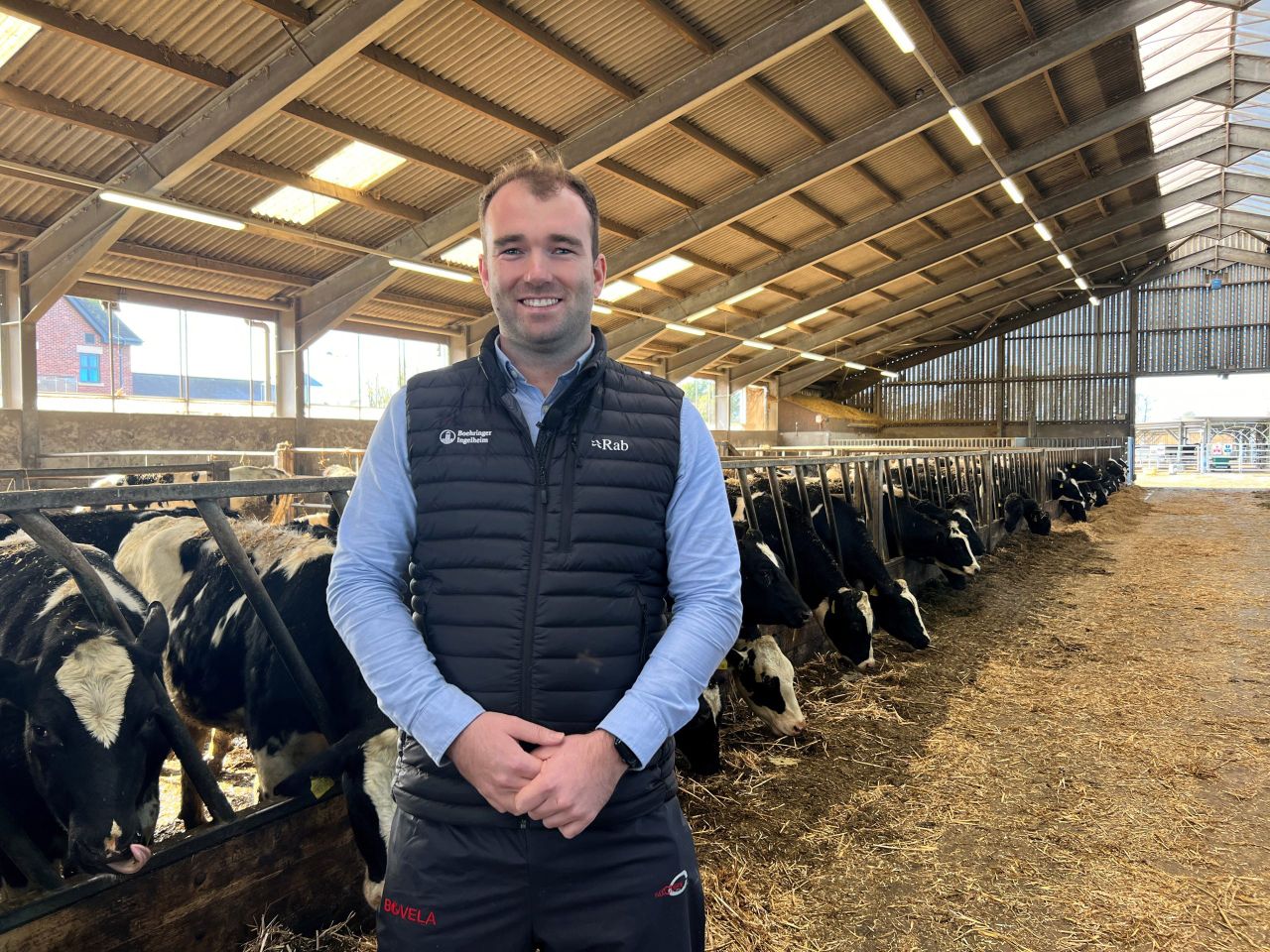
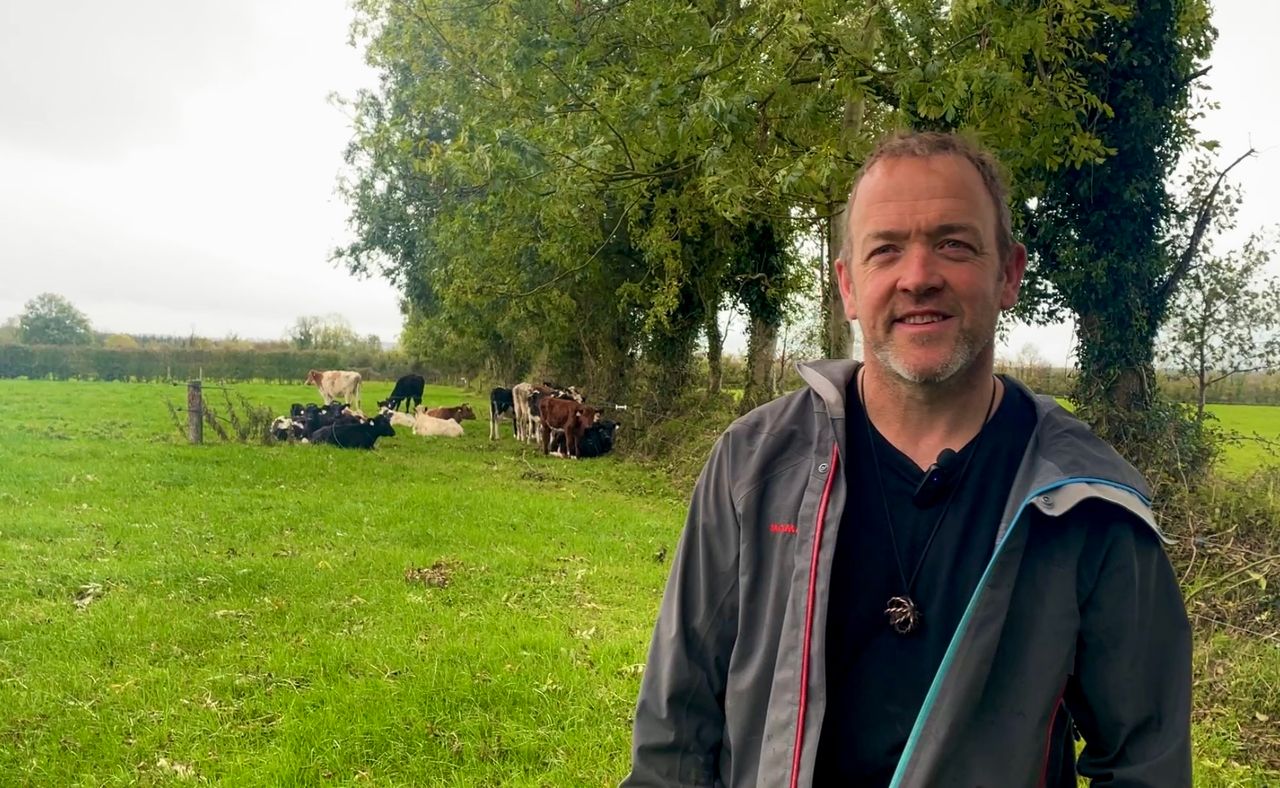
This was according to Wexford farmer and vice-chair of the National Association of Regional Game Councils' (NARGC) research committee and game development officer, Padraig Breen.
Responding to recent calls to remove declining bird species from the open season order of hunting, he said hunting should not be the scapegoat.
Breen stressed that all hunters shared concerns about declining bird populations:
"These declines require attention, sound research and practical action.
"Hunters have a direct interest in healthy wildlife populations and should be included as partners in their recovery," he said in a statement issued by NARGC.
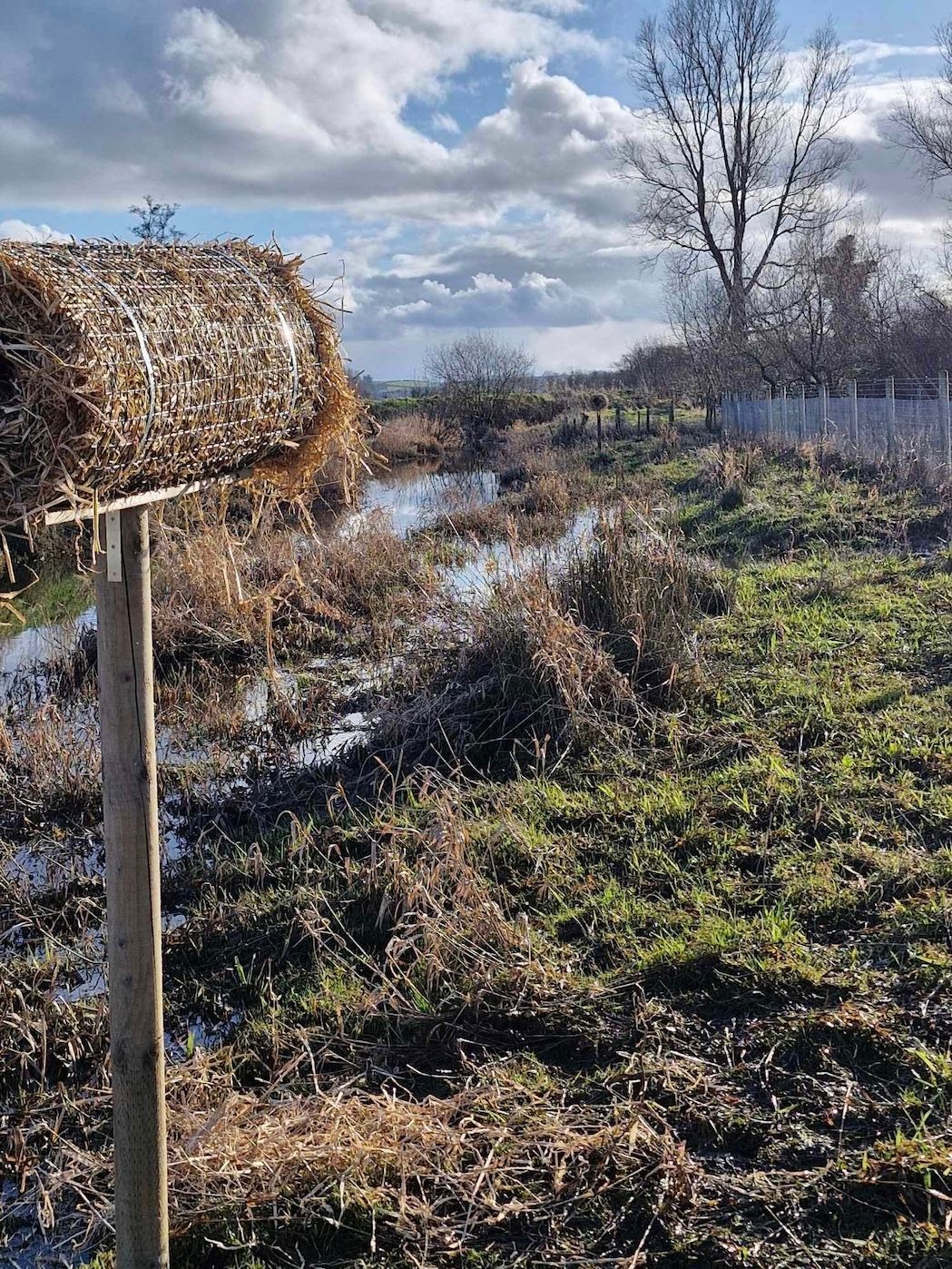
"The fact is, removing hunting does not restore lost habitat; it does not recreate a drained wetland, repair a degraded bog, restore nesting cover, or replace lost feeding grounds.
"Habitat loss and changes in land management affects birds’ ability to feed, breed and survive.
"Addressing these pressures requires sustained investment and practical work on the ground."
Predation
He added that an honest conversation should also be had about predation: "Ground-nesting birds are particularly vulnerable during the breeding season".
Research led by UCD associate professor, Barry McMahon, highlights the decline of such birds, as well as the need to consider predator management alongside habitat management, Breen said.
"Where evidence identifies predation as a significant constraint on recovery, targeted, lawful management should form part of the conservation response.
"It is easy to announce a ban - it is considerably more difficult and more expensive to restore habitat, improve breeding success, manage pressures and measure recovery," he said.
According to Breen, the native grey partridge provides a clear example: "NARGC introduced a voluntary shooting ban in 1992 and the species was removed from the open season's order in 1995.
"Yet, more than 30 years later, it has not returned as a widespread bird of the Irish countryside.
"The recovery achieved at Boora and our own projects in Carlow and north county Dublin require sustained investment, habitat creation, targeted predator management and practical conservation work," he said.
Breen added that protection from hunting "could not replace the habitat, food and breeding conditions needed for recovery".
Removing a species from the open season order is therefore no substitute for a funded recovery programme, he said.
Curlew
"Curlew provides a further example: NARGC sought its removal from the open season order and statutory protection followed in 2012.
"Yet more than a decade later, Ireland’s breeding curlew population remains severely depleted - removing hunting did not secure its recovery," Breen said.
"National Parks and Wildlife Service (NPWS) itself identifies habitat loss and degradation, predation, disturbance and agricultural operations as pressures on nesting curlew.
"Encouraging conservation results have required funded habitat management, nest protection and other intensive measures to help chicks survive," according to Breen.
He stressed that red and amber conservation listings were important warnings: "They do not, by themselves, establish the contribution of hunting to a decline, or identify the measures needed for recovery.
"Assessments must distinguish between resident breeding populations and migratory wintering populations, while examining the pressures affecting each and how the counts are undertaken."
Recent research by UCD and Spanish collaborators examined 256 bird species across nine European countries and found no statistically significant association between legal huntability and population decline, Breen explained.
However, this does not confirm that hunting "has absolutely no effect on individual populations", he said.
"The findings support careful assessment of each species and population, rather than general assumptions about hunting.
"It is also clear that government must take responsibility for national harvest data."
According to Breen, Ireland’s reporting obligations under the EU Birds Directive include recorded counts of game birds legally shot and harvested during specific hunting seasons, also referred to as "hunting bag statistics".
"It is for the government and NPWS to establish and fund a coherent national system for collecting, validating, analysing and reporting this data, developed with hunting organisations," Breen said.
"The NPWS already requires annual returns from [the] state for shore permit holders, recording species, numbers shot and location, so this data is readily available."
NARGC’s voluntary conservation work includes habitat management, red grouse and grey partridge projects, species surveys, bag counts, and financial and practical support for PhD research.
"Our members contribute time, local knowledge and established relationships with farmers and landowners. Why exclude such a valuable resource?"