Prevention strategies for calf pneumonia as temperatures swing

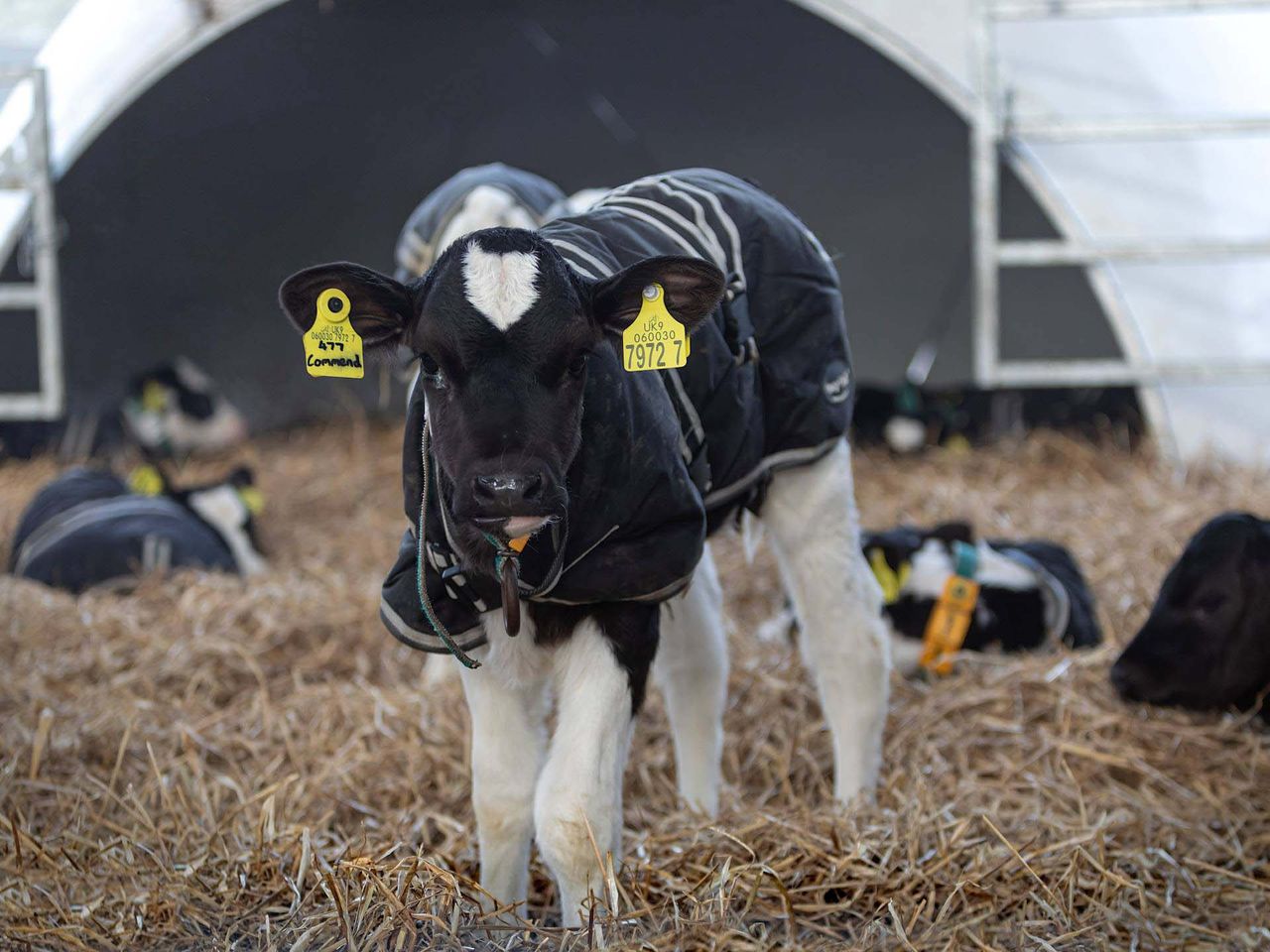
With calves landing on the ground of winter milking farms and temperatures swinging, the risk of calf pneumonia will be on the rise.
During the week, temperatures were climbing as high as 16℃ by day and dropping below 4℃ in places by night; this paired with high humidity levels presents a period of high risk.
Pneumonia is one of the most common health problems affecting young calves. It damages the lungs and causes long-term performance issues and even death.
In fact, it is the most common cause of death in calves under 10 months-of-age, with 3% of all calves born dying from the infection.
Even for animals that survive the infection, it is a quite costly treatment, with the chances of the animal ever getting back to 100% health being slim.
Pneumonia leads to reduced live weight gains as well as reduced milk production in the animal's first lactation, a stage 14% of animals do not get to if they have had pneumonia at a young age.
Therefore, early diagnosis and treatment is crucial, along with quality prevention methods in place.
Pneumonia
Pneumonia is considered a multifactorial disease, as it can be caused by viruses, bacteria, poor colostrum intake, poor hygiene, poor ventilation, overcrowding, bovine viral diarrhoea (BVD), or other factors.
If a calf contracts the infection, it can take two to three days to develop into pneumonia, with calves turning quite quickly from there on.
Farmers must keep a keen eye out for symptoms such as reduced feed intake, coughing, fever, dropping ears, or hollow sides.
If you do not notice these signs, pneumonia will become obvious via symptoms such as increased respiratory rates or water discharge from the calf's eyes and nose.
However, once you notice these signs, the infection has gotten to an advanced stage.
Treatment and prevention
Pneumonia can be hard to treat, with antibiotics often rendered ineffective depending on the case.
However, as they say prevention is better than cure, with hygiene from the moment the calf is born being one of the best prevention methods.
Feeding adequate quality colostrum after birth is crucial, so follow the '1,2,3 rule'.
- Feed colostrum from first milking;
- Feed within two hours of birth;
- Feed 3L of clean safe colostrum.
Ensure the calf continues to drink adequate volumes of that colostrum for the first four to five days after birth.
Ventilation plays a huge role in preventing pneumonia in calves, so ensuring the calf house has plenty of air, no draughts and a well-bedded dry lying area where effluent can drain away freely is crucial.
During the calving season, things can get hectic, but it is important to stay on top of the calf pens - do not let them get overcrowded and ensure you are grouping calves by age and size.
By maintaining an adequate stocking rate in the shed, you will reduce stress and improve issues such as feed intake.
Implement a vaccination strategy on the farm, ensuring calves are being vaccinated with a shot after two weeks-of-age, followed by a second after four weeks-of-age, and booster shots during risk periods.