Reminder: Key vaccinations for beef farms ahead of housing

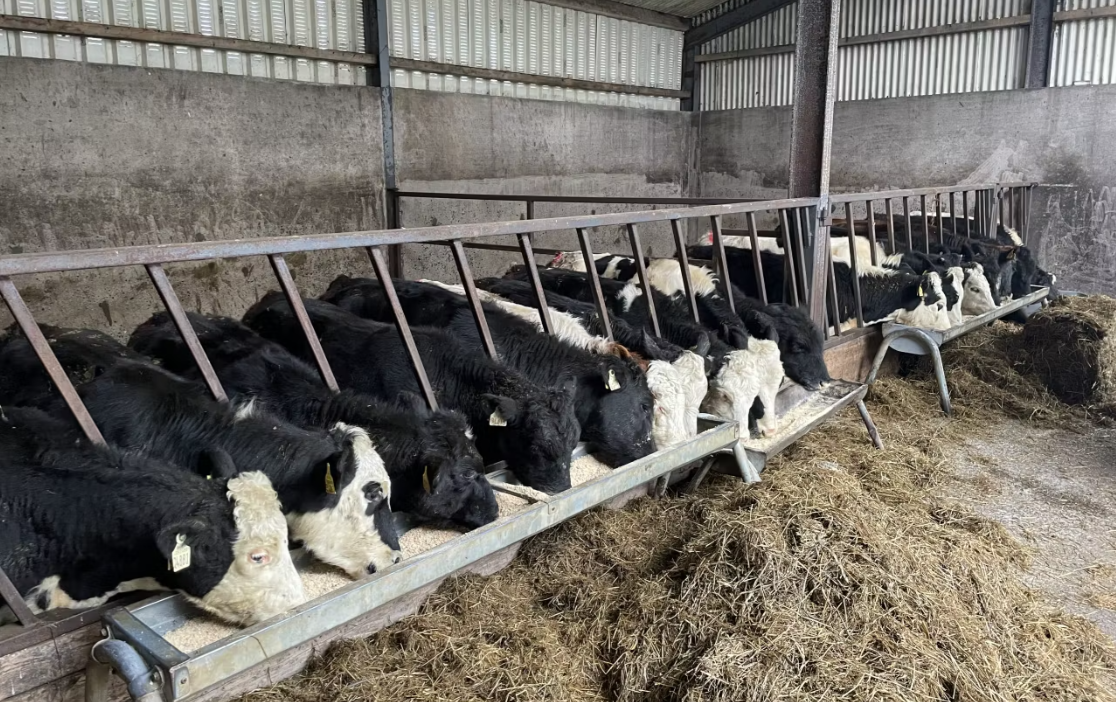
The 2026 grazing season is now entering the closing stages in most parts of the country.
While there are a broad range of important vaccinations for farms to consider, there are two main ones most drystock or beef farmers traditionally keep in mind ahead of winter housing.
Advice from a local veterinary practitioner should always be sought on the best course of action in regard to farm-specific vaccination plans, as what suits one farm may not suit another farm.
The arrival of bluetongue in Ireland this year has also seen a rise in the number of cattle and sheep herds vaccinating for the disease.
Generally speaking, the vaccinations most beef farms will traditionally focus on are relating to:
- Pneumonia (respiratory diseases);
- Clostridial diseases.
Determining the most suitable pneumonia vaccine for your farm this autumn will depend on the current risks and the vaccination history of the cattle on the farm.
For example, for calves that received a double-shot vaccine course this spring, a single booster shot may suffice this autumn.
In other cases, a double shot vaccine course administered four weeks apart and the second shot administered two weeks before housing may be required.
Where farmers are unsure what pneumonia vaccine course to use for their herd, it is best to contact your local veterinary practitioner.

Vaccinating for clostridial diseases is generally advisable on most farms also and again, the best advice is to contact your local veterinary practitioner.
While pneumonia and clostridial diseases are traditionally the two main issues drystock or beef farmers will vaccinate for, advice should also be sought where there are other disease concerns on the farm.
Most animal health professionals will say that vaccination is only part of the solution and will not protect against issues in cases where there are other problems, such as overstocked pens, poor shed airflow, or overly draughty sheds.
Despite this, when it comes to animal health, it is better to be proactive than reactive and reduce the risks of animal health breakdowns before they arise where possible.