Watch: Limerick dairy farm slashes inputs with regenerative practices
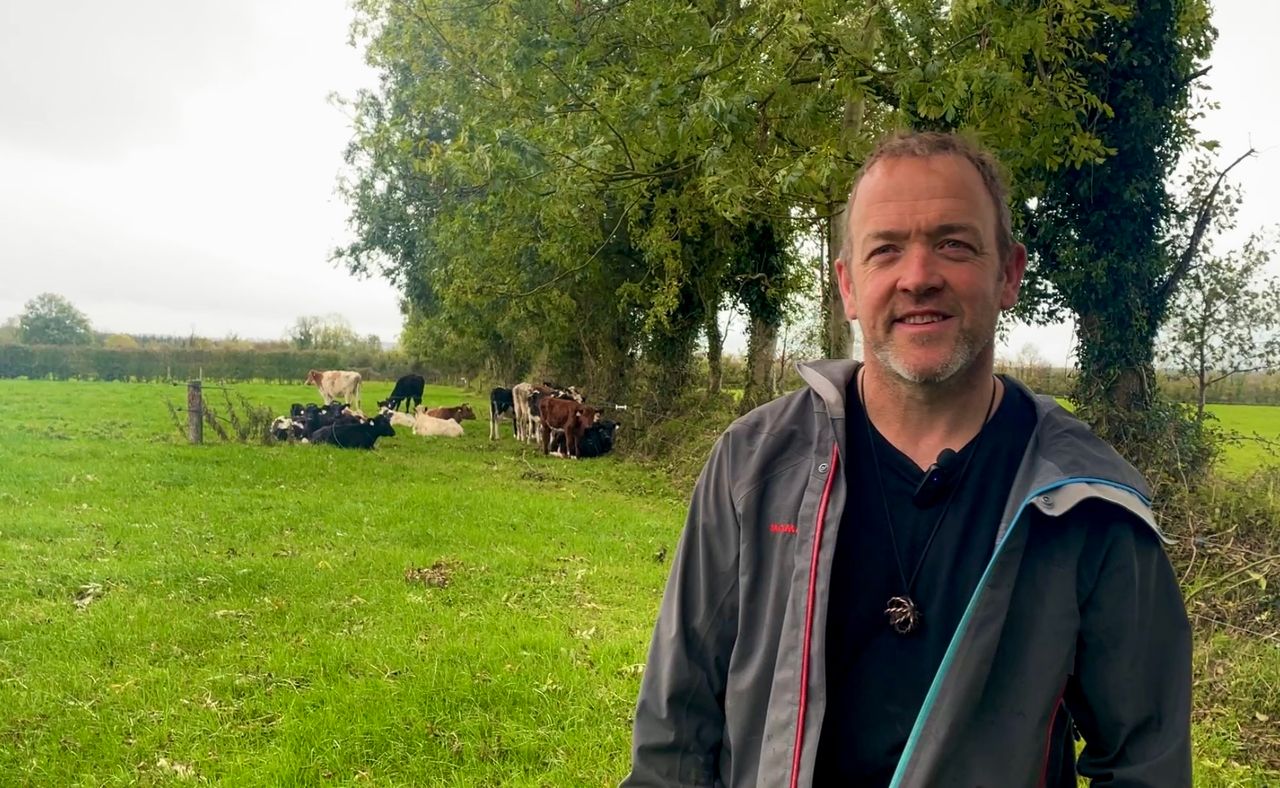
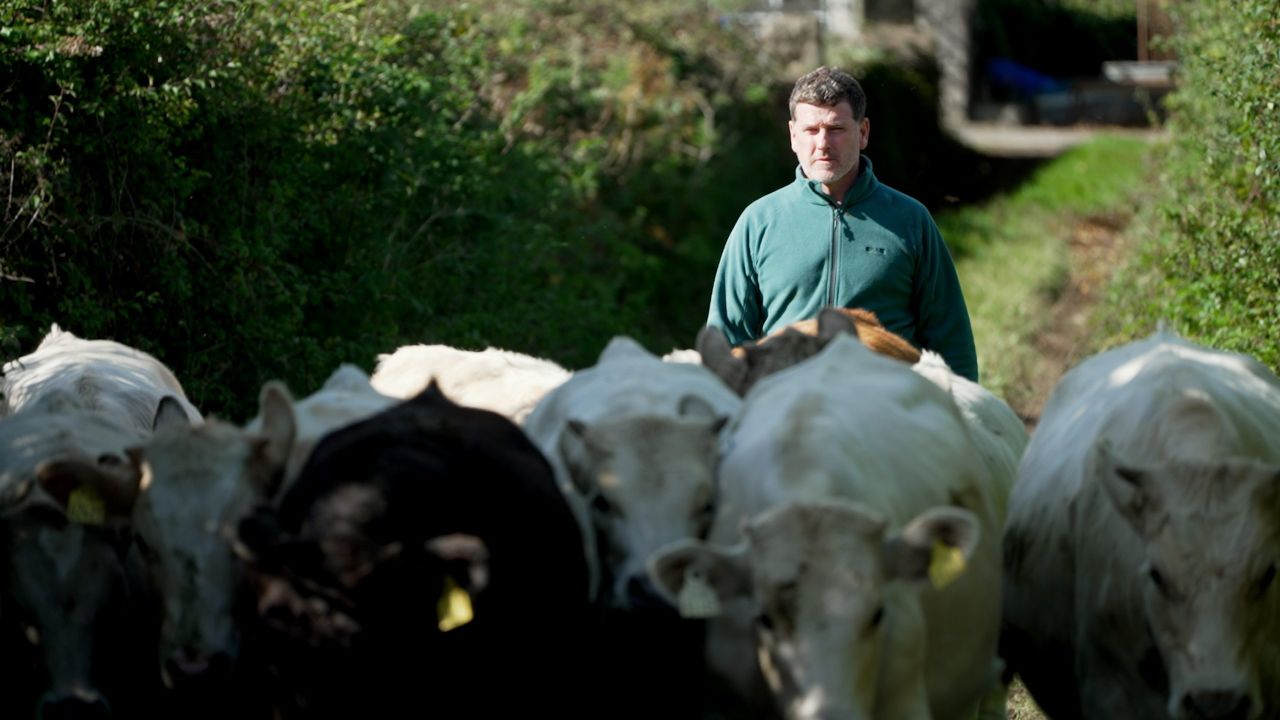
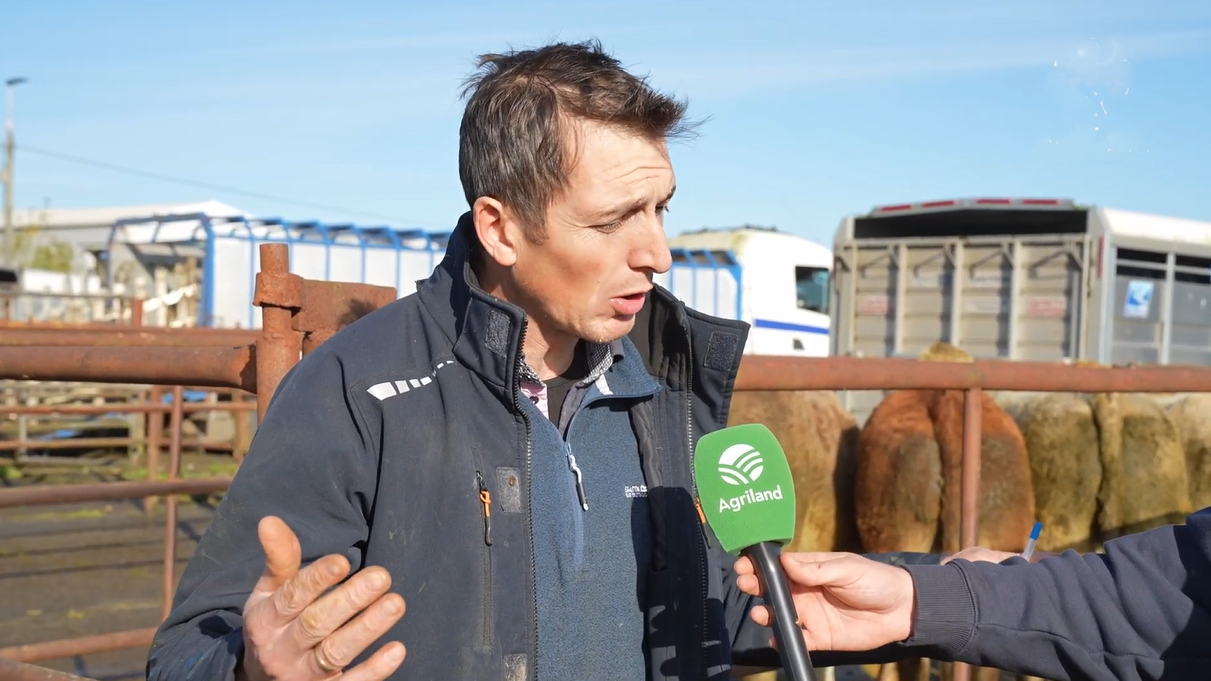
Limerick dairy farmer Tom Stack made the decision to embark on his regenerative farming journey around 8 years ago.
After taking over the family farm at Ballyagran in 2012, Tom became increasingly disillusioned with conventional farming and felt he needed a change.
He converted to organic in 2018 and sought to transform his 146ac farm into a system resilient to environmental and financial shocks.
It was during that year's BioFarm conference when Tom learned about regenerative farming practices, including Korean Natural Farming (KNF).
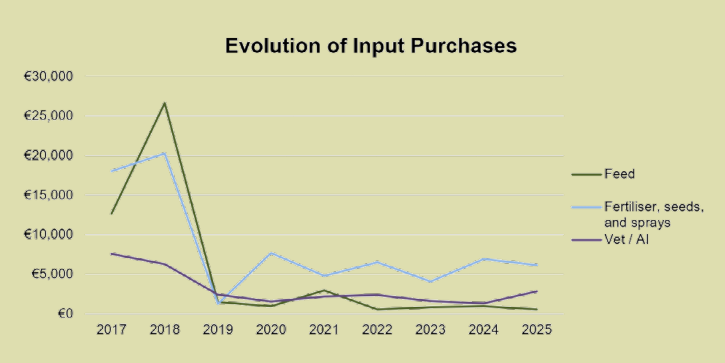
"Back in 2017, I had a vet bill of €7,500, I had a feed bill of €26,000 and a fertiliser bill of €14,000. I just thought to myself, there has to be another way.
"Then I just looked at different principles of regenerative farming and KNF was the one for me," he said.
KNF focuses on reintroducing indigenous microorganisms (IMO) to create fertile soils that produce a high output without the use of synthetic fertiliser, herbicides or pesticides.
By using bacteria, fungi and other microbes gathered from his own land, Tom is drawing on allies already adapted to his farm's particular soils and climate.
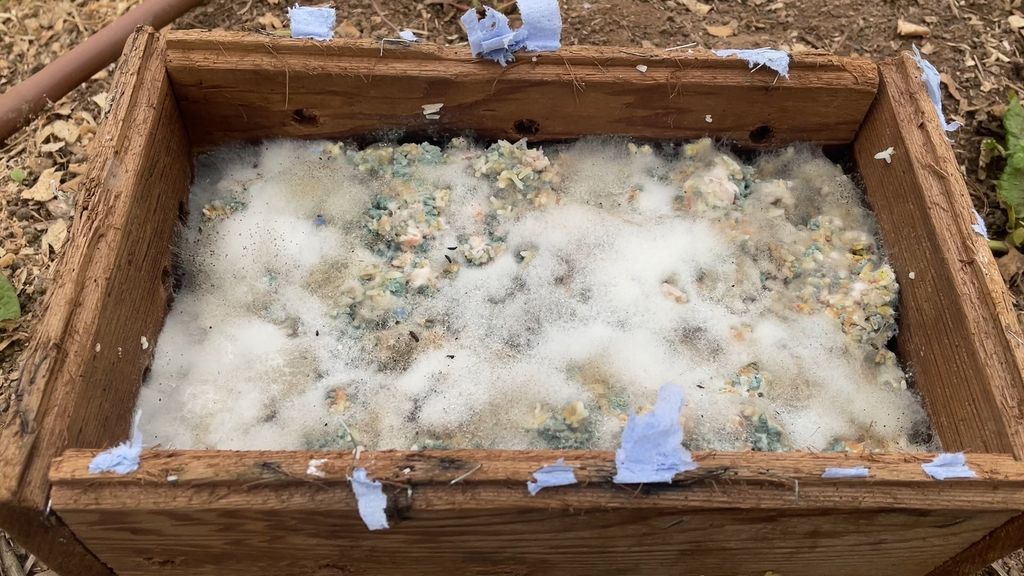
The process begins with specially designed wooden boxes filled with rice being placed at various locations on the land to help collect the microorganisms.
Following several further steps, a liquid IMO (LIMO) rich in nutrients and enzymes is created which can then be sprayed on fields or crops to improve soil biology.
Tom is currently milking 65 cows and supplys his organic milk to Glenisk with significantly reduced external inputs.
Since transitioning to regenerative agriculture, Tom has seen a fall of around 96% in feed costs (with zero purchased feed for his cattle) and two-thirds in fertiliser, now only applying lime.
His cows are entirely grass-fed and he creates his own nutritional supplements for his animals using only natural inputs and processes.
The herd has been antibiotic-free since 2017 and returned zero bovine TB reactors at its most recent test. One of Tom's key priorities is building immunity in his animals.
Tom’s system typically runs between 93-114 head of cattle, with a stocking density of 1.3-1.5 livestock units (LU)/ha.
Given the structure of the farm, the yearly stocking fluctuates, but production remains stable at 200,000-220,000L per year or around 3,700L per cow.
From just one hectare of arable land, Tom produces up to 15t of a grain mix (peas, oats, barley and buckwheat) some of which goes to calf feed, with the rest used to create his on-farm organic sprays under KNF.
Carrying no purchased feed and no synthetic nitrogen, phosphorus or potassium has helped Tom to lower his cost base and allow the farm's economics remain steady.
Costs
Excluding subsidies, Tom's gross margin per litre ran at 40 to 58 cent across 2022 to 2025, above the national average of 30 to39 cent.
Output per hectare is lower by design meaning that the farm's gross margin per hectare is under the national average.
To address this, Tom has chosen to integrate the processing of some of his milk into his farm, rather than opting for higher productivity genetics in his herd.
"Everyone has their own journey and there’s so many ways. I think the first step is to be viable as farmers.
"It’s the knowledge and education. But everyone has their own farm, everyone has their own mind, they can do what they want.
"But I just think just make that step, make that step to be self sufficient in a way," Tom said.
Regenerative farming
Tom was among a group of Irish regenerative farmers who recently held farm walks on their lands in conjunction with the European Alliance for Regenerative Agriculture (EARA).
A report recently published by EARA entitled Regenerating Systemic Risk: A Case Study on Ireland argued that there are "shared systemic roots" connecting rising input costs, bovine TB, water pollution, and young farmer decline.
It said that a transition to "regenerating forms of agriculture" could address these issues at the same time.
The new report argued that this change is "achievable and economically viable".