New report examines regenerative farming 'solutions' to input costs


A new report published today (Monday, October 5) has outlined the potential for regenerative farming to help reduce risks and input costs for farmers.
Regenerating Systemic Risk: A Case Study on Ireland was authored by the European Alliance for Regenerative Agriculture (EARA), with input from EARA's member farmers in Ireland.
EARA said that 2026 "has shown how exposed Irish farming is".
The report argues that there are "shared systemic roots" connecting rising input costs, bovine TB, water pollution, and young farmer decline.
It says that a transition to "regenerating forms of agriculture" could address these issues at the same time.
The new report argues that this change is "achievable and economically viable".
EARA drew from a number of sources of research for the report, including Teagasc, the Central Statistics Office (CSO), University College Dublin (UCD), EARA's own research; and established European models and financial instruments for water protection and agricultural finance.
EARA claimed that Ireland "can't afford its farming model".
"It's too expensive for farmers, for taxpayers, and increasingly for the banks and insurers behind them. Decades of isolated interventions have failed," the organisation said.
The report cites challenges such as the cost of fertiliser, fuel and feed; the costs of the TB Eradication Programme; the increasing age profile of farmers; and farm viability.
The report analyses farm business cases that, EARA said, shows what regenerative agriculture delivers.
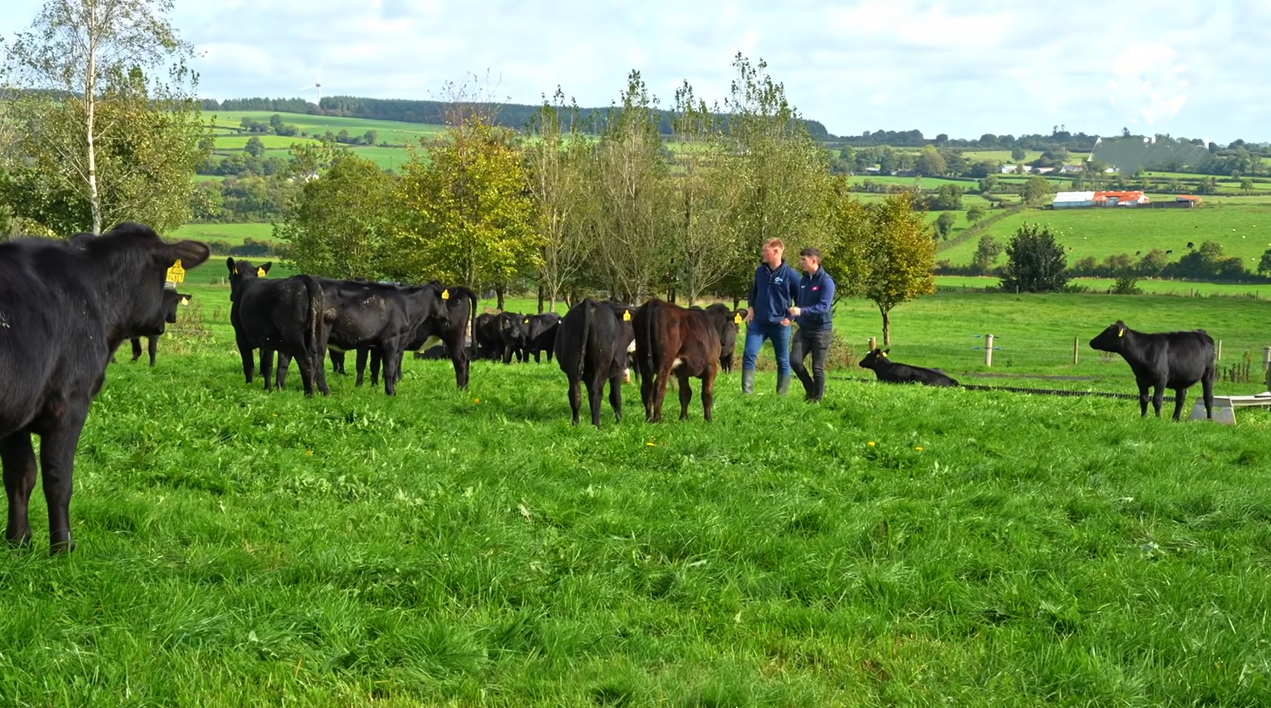
It cited the example of a Limerick regenerative dairy herd that has remained TB-free while the disease has hit surrounding farms.
The same farm, since transitioning to regenerative agriculture, has seen feed purchases fall by 96%, with no synthetic fertiliser use.
Margins run at 40c to 58c per litre, against a national average of 30c to 39c per litre.
The report maps out agronomic, economic, and structural "pathways" to regenerative agriculture practices that EARA said, if scaled nationally, would cost €3.7 billion to implement but would cut imported inputs by around €14 billion.
The report states that redirecting existing public spending on crisis management could finance the shift, as well as using private sector support through preferential lending, outcome-based insurance, and fair contracts.
EARA said the report "serves not as a finished blueprint but as a contribution to a movement already underway in Ireland".