Sponsored
Don't let parasites cost you this housing season

Sponsored by

As cattle come in off grass, how much of your parasite control is down to guesswork?
Estimated weights, a dosing gun that has not been checked since last year, or a wormer chosen out of habit can all cost you in performance this winter and in resistance down the line.
In Chanelle Pharma’s ‘From the Field’ winter housing series, Co. Longford vet Donagh McDonnell, Co. Longford beef farmer Shane Leavy, and University College Dublin (UCD) parasitologist Darren McDonald discuss how to plan your parasite control and keep cattle performing through the winter housing period.
Getting housing-ready: Plan ahead for parasite control
Waiting until housing day to treat can cause setbacks:
- Lungworm damage may already have compromised performance and immune function;
- Feed efficiency can be reduced, increasing winter feed costs;
- Lice infestations may spread rapidly in sheds, requiring additional treatments later.
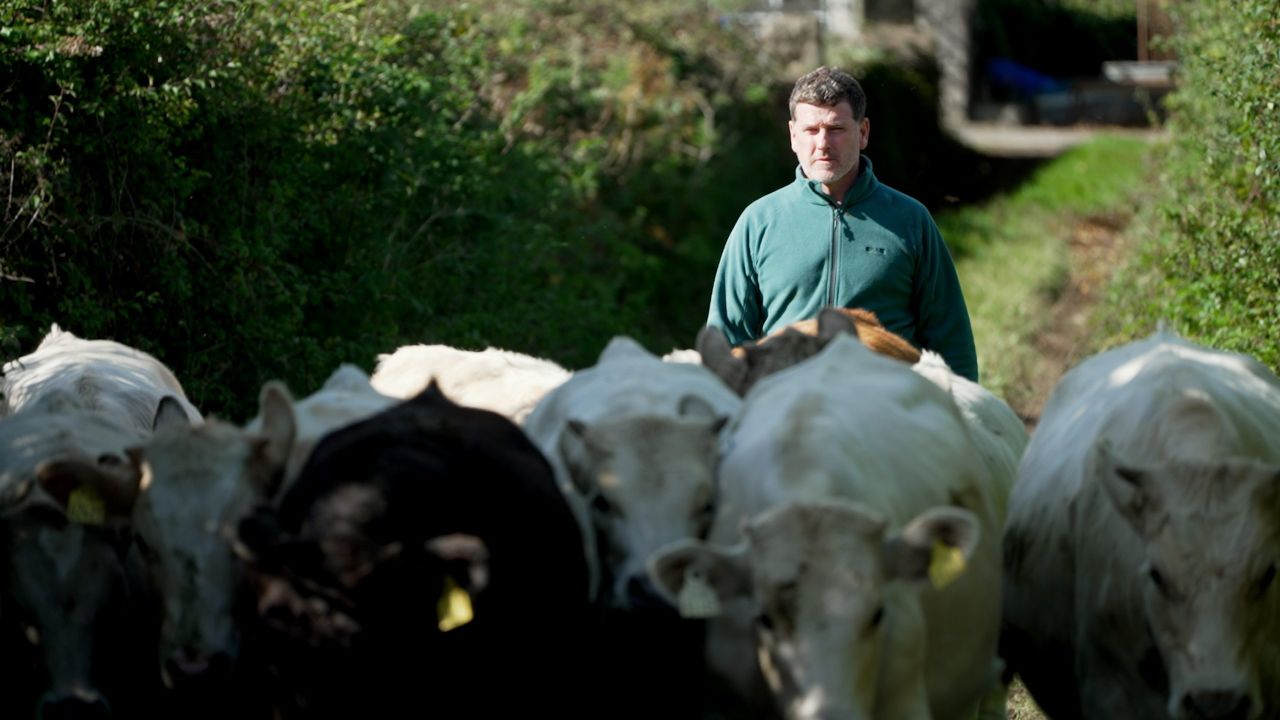
Beef farmer, Shane Leavy, explained: "We would think about dealing with any parasite issues five to six weeks before housing, based on what the vet advises."
"Leaving it any longer would bring a parasite burden inside and something that could've been treated outside, would mean infected cattle wouldn't have the headstart they could have had.
"Another benefit of treating cattle five weeks before housing would be cutting that parasite burden before they get into close quarters where there's a chance of cross-contamination between animals and increasing risks and problems going forward."
Minimise parasite risk and maximise autumn grass use
We may be fortunate to have an extended grazing season this year but are you optimising your extended grazing season?
As we enjoy the mild autumn weather, it can be easy to forget that gut worms, lungworms, and liver fluke thrive in warm, wet, humid conditions.
Therefore, a mild, damp autumn can mean cattle are picking up larvae right up until they come in for housing.
"Worming roughly five weeks in advance of housing gives you a chance to optimise the use of the autumn grass.
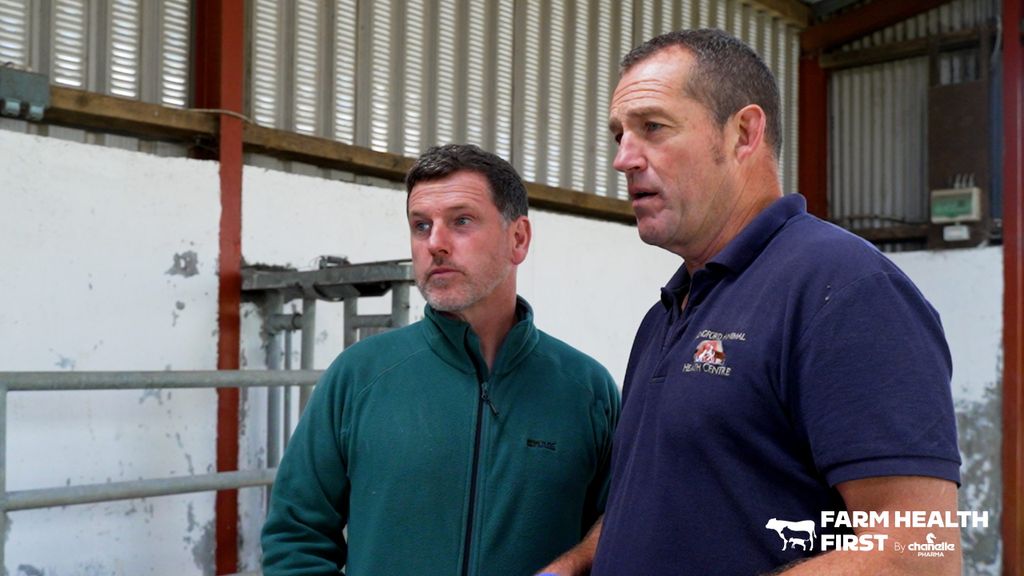
"It means we have healthier animals at housing; it reduces the worm burden, improving the cattle's appetite and supporting the liveweight gain of the cattle," Donagh said.
However, cattle can keep picking up worms until the day they're housed.
In addition, fluke treatment timing depends on the product and the stage of fluke you're targeting.
When planning your parasite control, talk to your vet about the right timing for your herd.
Make sure to maximise your herd's liveweight gains by agreeing a parasite control plan with your vet to keep worm burdens down and maintain appetite and performance.
Spot the signs, seek advice, target treat
When monitoring your cattle's health, it is important to know that symptoms can be due to several causes.
In the video, Donagh discussed several symptoms which should prompt a conversation with your vet.
"An example of these symptoms would be coughing in the case of lungworm, diarrhoea in the case of gastroenteritis, and scratching in the case of lice," he explained.
Reaching for last year’s wormer is no longer the norm.
By taking your vet’s advice and target treating, farmers play a vital role in combating anthelmintic resistance.
Donagh also explained how your vet will look at the wormer group (white, yellow or clear) and active ingredient alongside your farm's history, the parasites present and the time of year, so the treatment matches the problem.
There's no one-size-fits-all wormer, so always take your vet's advice when putting your treatment plan together.
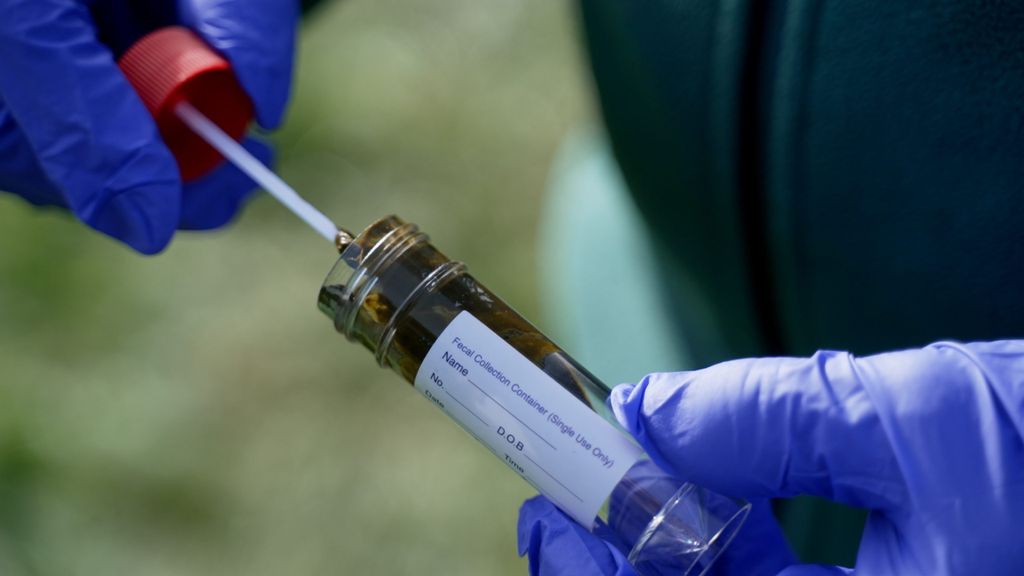
The importance of faecal egg testing
Farmers play a crucial role in combating anthelmintic resistance on farms.
By knowing which parasites you are dealing with, consulting your vet and target treating, you save yourself time and money now and in the future.
UCD parasitologist, Darren McDonald reinforced that "you should only treat when treatment is needed".
He said: "Try avoiding blanket dosing"
"Get diagnostics involved, consult with your vet, look at your previous anthelmintic use on the farm.
"Diagnostic tests will tell you what animal needs to be treated and when they need to be treated.
"Don't just blanket treat. Don't just guess. Be safe and preserve the effectiveness of the anthelmintic on your farm and get diagnostics involved," Darren confirmed.
Darren discussed important parasite control considerations you should make before considering treatment. They are:
- Your vet’s advice;
- Your farm’s anthelmintic history;
- The anthelmintic’s active ingredient;
- Faecal egg testing and target treating;
- Timing of treatment.

The housing health checklist: Preparation is key
Before shutting the gates, your winter housing checklist should be fully ticked off.
Beef farmer, Shane Leavy, explains how a clean environment combined with stock preparation is your first line of defence against disease.
- Ventilation and space: Clean, well-ventilated housing keeps humidity down and helps reduce pneumonia risk. Check stocking densities to ensure adequate lying space, feed access and airflow;
- Clean out, clean start: Thoroughly clean and disinfect pens before stock arrival to reduce the background load of bacteria and parasites;
- Clean water access: Winter diets push up water demand, so check you have enough trough space and good flow rates;
- Diagnostic screening: Test before you treat. Use pooled faecal egg counts, coproantigen dung tests, or bulk milk samples to help determine parasite burdens; discuss the most appropriate monitoring for your farm with your vet;
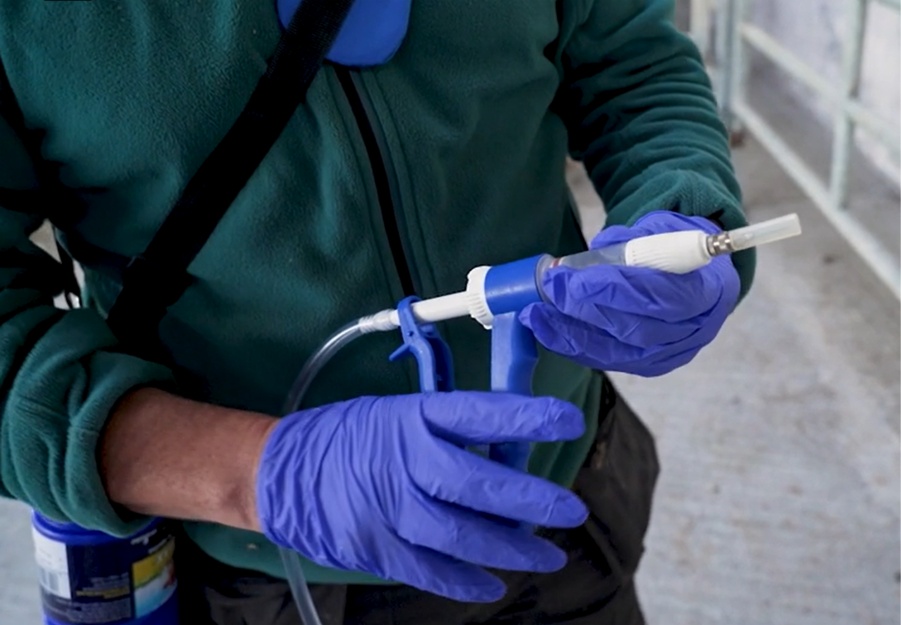
- Calibrate dosing guns: Ensure equipment delivers precise volumes to avoid underdosing, which accelerates parasite resistance;
- Weigh before you dose: Weigh a representative group of cattle and dose to the heaviest in the group.
Shane makes an important point about noticing cattle who require additional support
He said: "If there are any lagging behind that might need to be penned separately and given an additional ration or stronger feed."
By optimising your cattle's health before they come in for housing, you are giving them the headstart they need to maintain performance throughout the winter.
Sponsored by