Heydon highlights importance of bioeconomy for young farmers
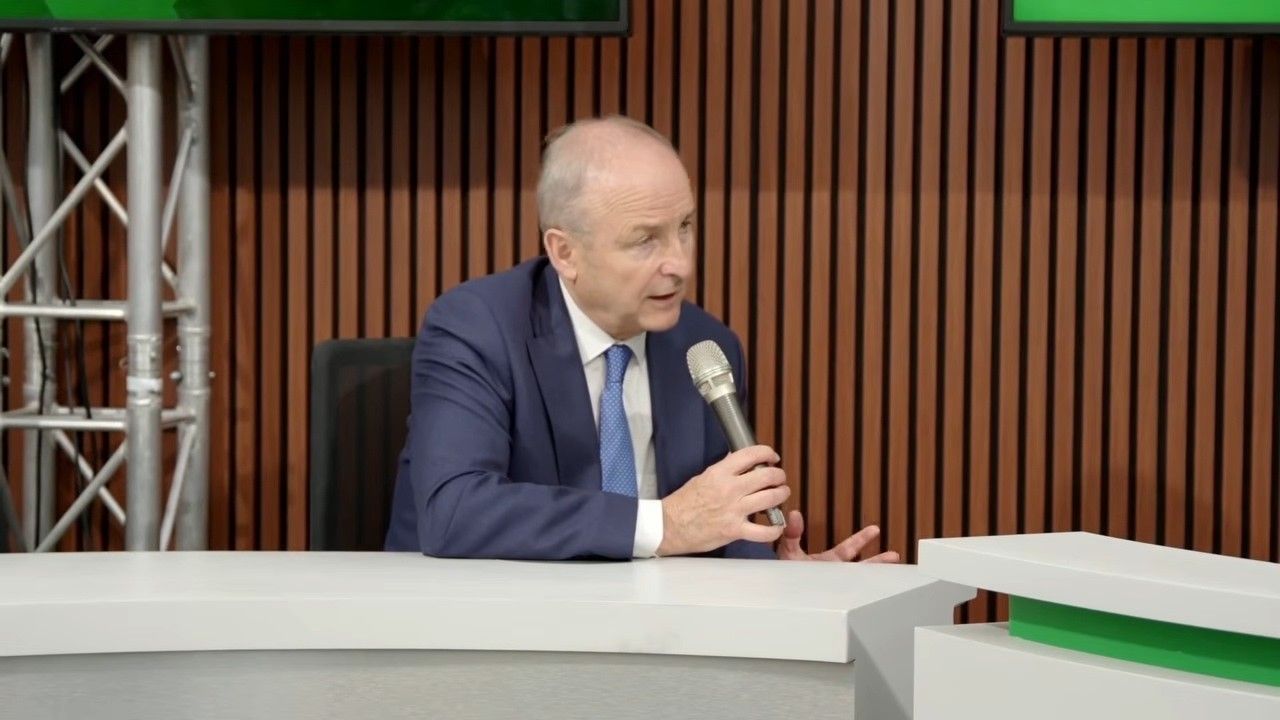
Minister for Agriculture, Food and the Marine, Martin Heydon has highlighted the importance of bioeconomy development for young farmers.
Minister Martin Heydon along with Minister for Climate, Energy and the Environment, Darragh O’Brien concluded the Global Bioeconomy Summit this afternoon (Wednesday, October 21).
Welcoming over 1,500 delegates from 65 countries to the event, the ministers also launched Ireland’s first national bioeconomy strategy.
The strategy - BioScale 2030 - sets out a pathway to turn research and renewable biological resources into sustainable businesses, new markets and regional opportunities.
Primary producers
Minister Heydon told the conference of the importance of "adding value to the produce" from farmers.
"We have moved away from a period where we look to increase the volume of what we produce, but instead, identify greater value streams within that volume," he said.
"This comes back to sustainability - sustainability being a three-legged stool, that all three elements need to be in equal balance.
"Along with environmental, if you get the economic right, it will deliver your social sustainability for the rural and coastal communities in which they live."
Evolved
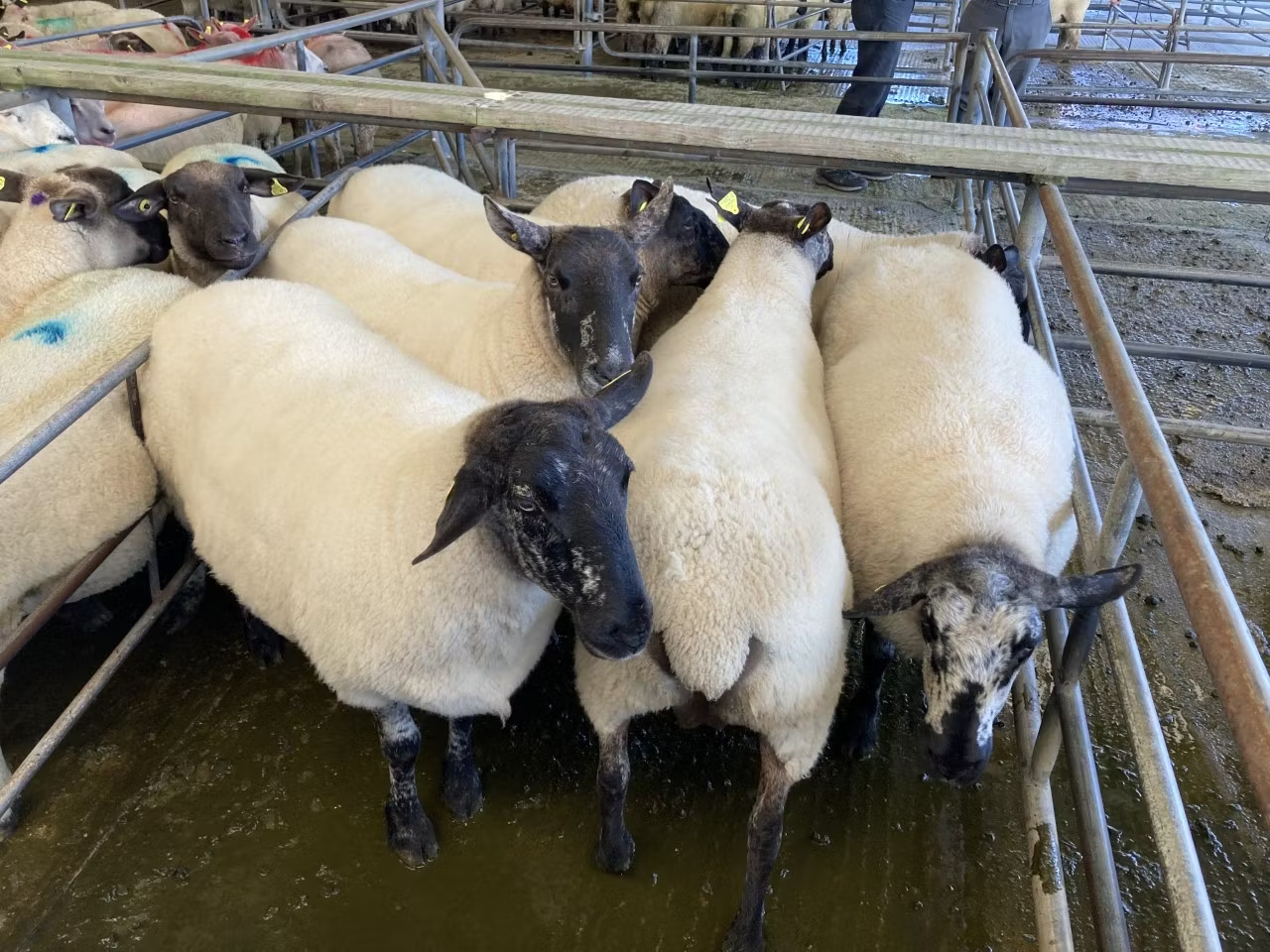
Minister Heydon spoke of the agriculture sector having "evolved" over the years, with whey protein being one of his examples.
"We obviously have our pasture-based system here in Ireland that we're very proud of," he said.
"We produce that dairy milk, and whey protein was a waste by-product that was fed to pigs. It was just seen to be livestock feed.
"We now know, as we all are so health-conscious, protein is number one.
"People are now paying very large amounts of money for a tub of protein powder that they put in their shakes."
He said that Ireland is a food-producing nation, exporting 90% of the food and drink produced to 180 countries around the world.
"You would think the emergence of weight loss drugs [is] a huge challenge for us, where so many people will now be consuming 30% less [food]," he said.
"But, it's a massive opportunity for us from the economic perspective.
"The bioeconomy makes sense for our planet but it also makes economic sense, because people are more conscious of what their protein intake is, what their nutrient intake is.
"Where we produce those high-volume commodities, we're identifying the value stream in that, we're extracting them out."
If this is done right, it will "deliver a greater return to our farms", Minister Heydon said.
Generational renewal
The minister also highlighted the bioeconomy being "key" when it comes to generational renewal and providing young people with opportunities.
"We will have a great role in terms of that generation renewal piece, getting in the next generation of young farmers to see the future in farming, and then that social sustainability of having vibrant rural communities," he said.
He added: "In Ireland, we have an ambition to be a world leader in sustainable food systems. Everything in the bioeconomy gets to the heart of that".
A number of actions for the agriculture sector have been outlined in the new bioeconomy strategy.
These include strengthening advisory services and knowledge transfer systems to support farmer participation in emerging bioeconomy value chains, giving opportunities for young farmers and new entrants to participate in relevant demonstration, training and knowledge transfer activities.
The strategy also outlines an action to incorporate growing cropsfor construction materials as part of agricultural training.
Global Bioeconomy Summit
Minister for Climate, Energy and the Environment, Darragh O’Brien said the summit was a "valuable and illuminating opportunity to discuss how we use our abundant land and sea resources, maximising the use of biological and waste streams to create new business opportunities and value chains".
"The bioeconomy represents real opportunities for energy, climate action and circularity," he said.
The Global Bioeconomy Summit was jointly organised by the International Advisory Council on the Global Bioeconomy and the Irish government.
At the summit, European Commissioner for Environment, Water Resilience and a Competitive Circular Economy, Jessika Roswall launched the 'Bio-based Europe Alliance', an initiative aimed at addressing barriers to the commercial scale-up of bio-based materials, products and technologies across Europe.
Commissioner Roswall said: “Bioeconomy represents a strategic opportunity that Europe has the talent and innovative capacity to seize.
"The Bio-based Europe Alliance will turn this potential into real market impact by connecting producers, investors, public authorities and buyers.
"Reducing our dependence on fossil-based materials will make European economy more competitive, circular and resilient.”
Teagasc exhibition
Taoiseach Micheál Martin visited the Teagasc exhibition stand at the Global Bioeconomy Summit today, where he learned about research and innovation supporting the development of a sustainable and circular bioeconomy in Ireland.
During the visit, the Taoiseach along with government ministers were shown examples of how research is developing new opportunities to produce sustainable, high-value food ingredients from crops such as faba beans and lupins.
The display included samples of protein concentrates, protein isolates, flours and fibres, demonstrating how different components of these crops can be processed into valuable ingredients for food production.
Professor Frank O'Mara, director of Teagasc, said ongoing work "has the potential to create new markets and opportunities for Irish farmers and food businesses, while making better use of our natural resources".